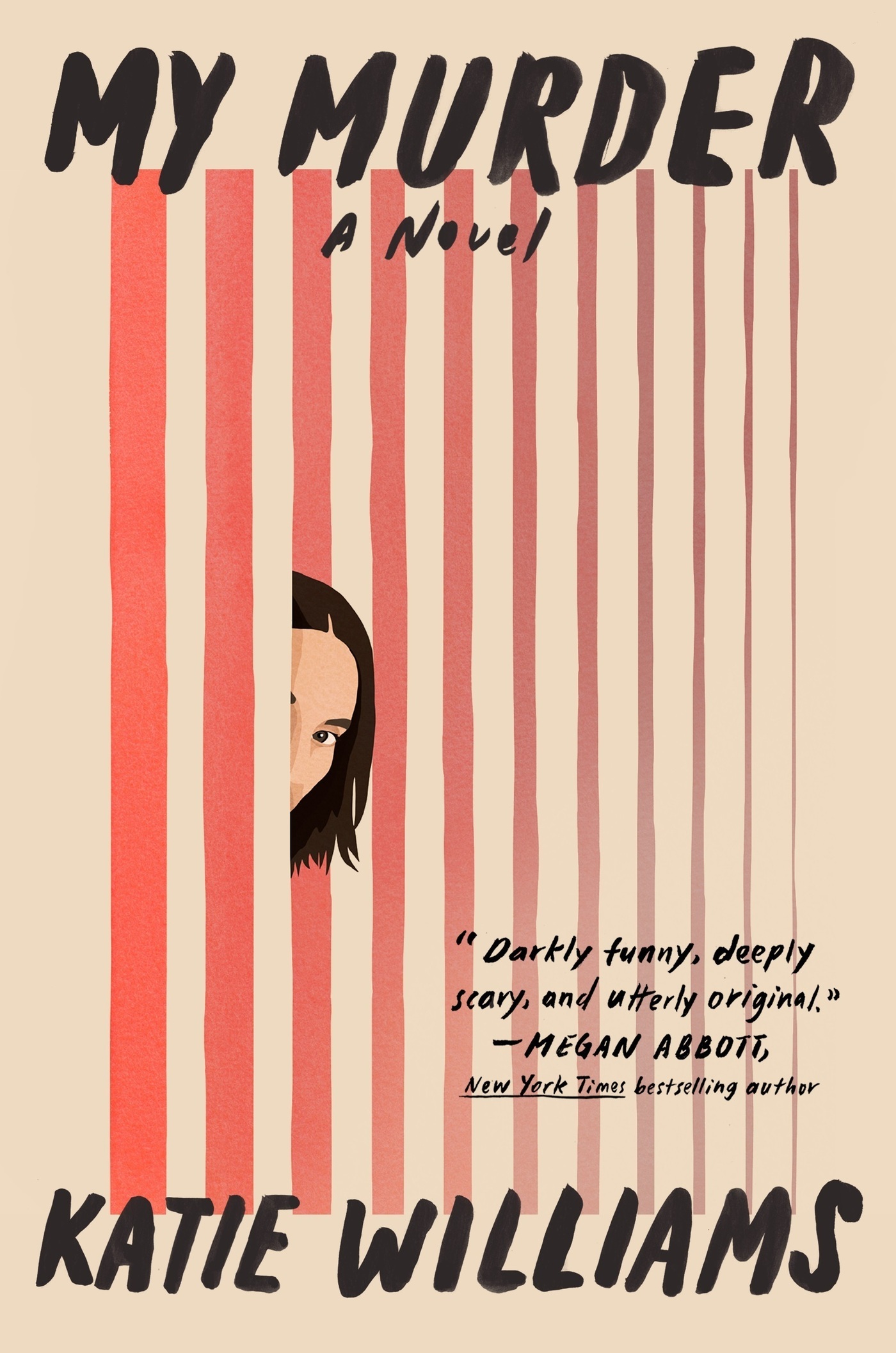
Lou has been murdered.
She was the fifth victim of the serial killer Edward Early. A young wife and new mother, Lou’s death outraged a public breathlessly following the story of the serial murders.
Lou has been cloned.
Along with Early’s other four victims, Lou has been brought back to life by the government-funded replication commission. The women gather at a weekly support group, helping each other to navigate a society obsessed with their very existence.
Lou has been lied to.
But when Lou agrees to help fellow murder victim Fern secure a visit with Edward Early, a shocking revelation causes Lou to investigate the events around her death and question everything she thought she knew about her murder.
This wasn’t the cute/quirky novel that its marketing led me to believe it would be. Yes, it does have a clone of a murdered woman trying to fill in the blanks in her memory about her predecessor’s death and yes there are secrets to be uncovered but ‘My Murder‘ is far from being a cosy mystery or a zany piece of speculative fiction exploring the possibilities and problems of cloning. It’s much more interesting than that.
‘My Murder‘ is an original, surprising, beautifully written and often unsettling novel about a woman trying to discover?/build? her own identity and gain agency in a world in which male violence against women is so ubiquitous it seems elemental. It’s not a polemic. It’s a compelling personal journey, told in the first-person, from the point of view of Lou (wife, mother, murder victim, clone) who is haunted by the sense that her life is inauthentic and that she is missing the information she needs to make herself real.
The landscape of Lou’s journey is party shaped by lies, violence and deceit but it also contains friendship and bravery and hope.
The plot uses ‘five-minutes-in-the-future’ technology around cloning, Virtual Reality and Gaming but in a way that takes that technology for granted rather than either relishing it or making it problematic.
I was pulled into the novel immediately by Lou’s interior voice which is quietly but increasingly unsettling. The gap between her calm, reflective tone and the content of her thoughts creates a kind of low-level dissonance. It’s unsettling to hear her tell me that she knows that her husband doesn’t like her calling her before-she-was-murdered-and-cloned self ‘Your-first-wife” and calling her that anyway because she can’t stop herself. It’s more unsettling to suspect that in reality, Lou doesn’t want to stop herself and then to wonder what that means.
Lou’s first-person account is enriched by turns of phrase and metaphors that are used to develop an estranged-from-her-own-life view of Lou rather than being self-conscious literary flourishes.
I found Lou engaging and quickly became invested in her well-being but that didn’t make being in her head any easier, Lou’s habitual honesty is not a comfortable thing to observe. It’s not that she always tells the truth to others that is unsettling but rather that her observations about her own behaviour are intimate in their details but detached in tone, as if she is both specimen and observer. It’s a discomforting mix of insight without agency that’s disquieting andnot quite human.
‘My Murder’ is studded with little insights into being human that sit like cat’s eye markers in the middle of a dark road: how women form friendships; how trying to explain our impulses feels like making up a story rather than admitting that we don’t know why we did something beyond knowing that, in that moment, we chose to do it; how who we are is both mutable and unchanging, Each insight felt valid and illuminating and yet I felt that the cat’s eyes weren’t marking a path towards empathy and intimacy but documenting alienation.
I admired how Katie Williams used the mystery around Lou’s murder to give the story constant forward motion and continuous tension, without turning making solving the puzzle the centre of the book. I saw Lou’s investigation as a plough cutting through her history and unearthing all kinds of things as she went along.
I also admired her ability to create moments of high tension. Lou’s visit with the imprisoned serial killer and the time she spent in the virtual reality game based on the serial killer’s murders that allowed players to be either killer or victim were vivid and memorable.
The relationships between Lou and the other clones of the serial killer’s victims were complex and surprising but they felt authentic.
The murder mystery is a good one. It kept me guessing and I believed the resolution.
I know some reviewers have been unhappy with the ending but it worked for me and it was preceded by a journey that I found compelling and stimulating.
I think Katie Williams is a talent to watch. I’ll be there for her next book.
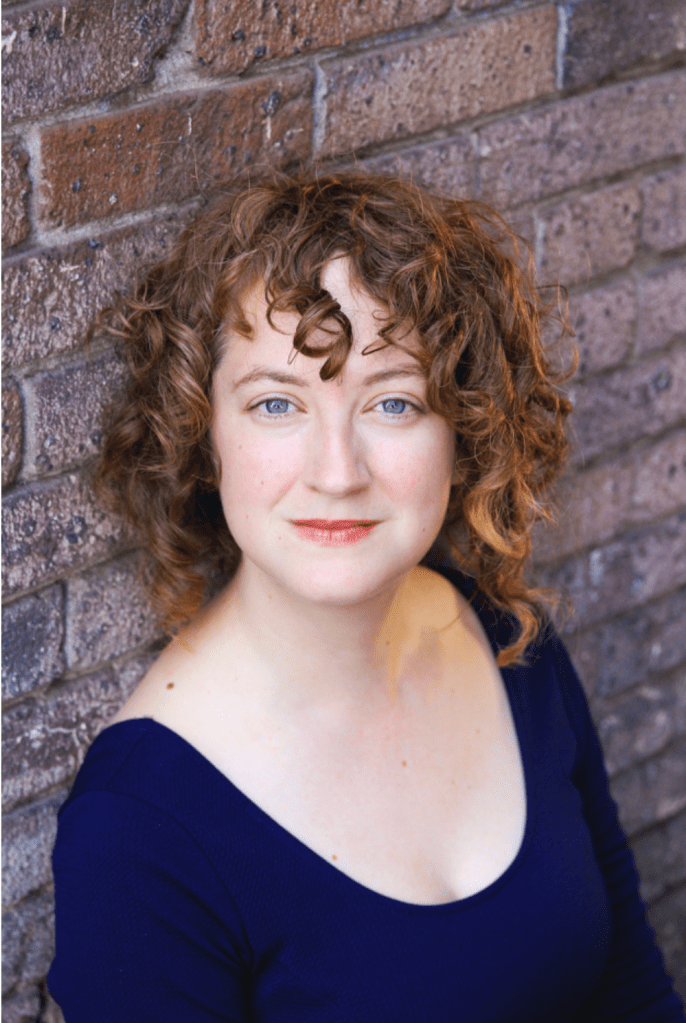
Katie Williams is the author of the novels My Murder (2023) and Tell the Machine Goodnight (2018) and the young adult novels Absent and The Space Between Trees.
Her writing has appeared in The Atlantic, Best American Fantasy, American Short Fiction, Prairie Schooner, Subtropics, and elsewhere.
Katie is an assistant professor in fiction writing at Emerson College in Boston.
photo credit: Athena Delene
 Mike Finn's Fiction