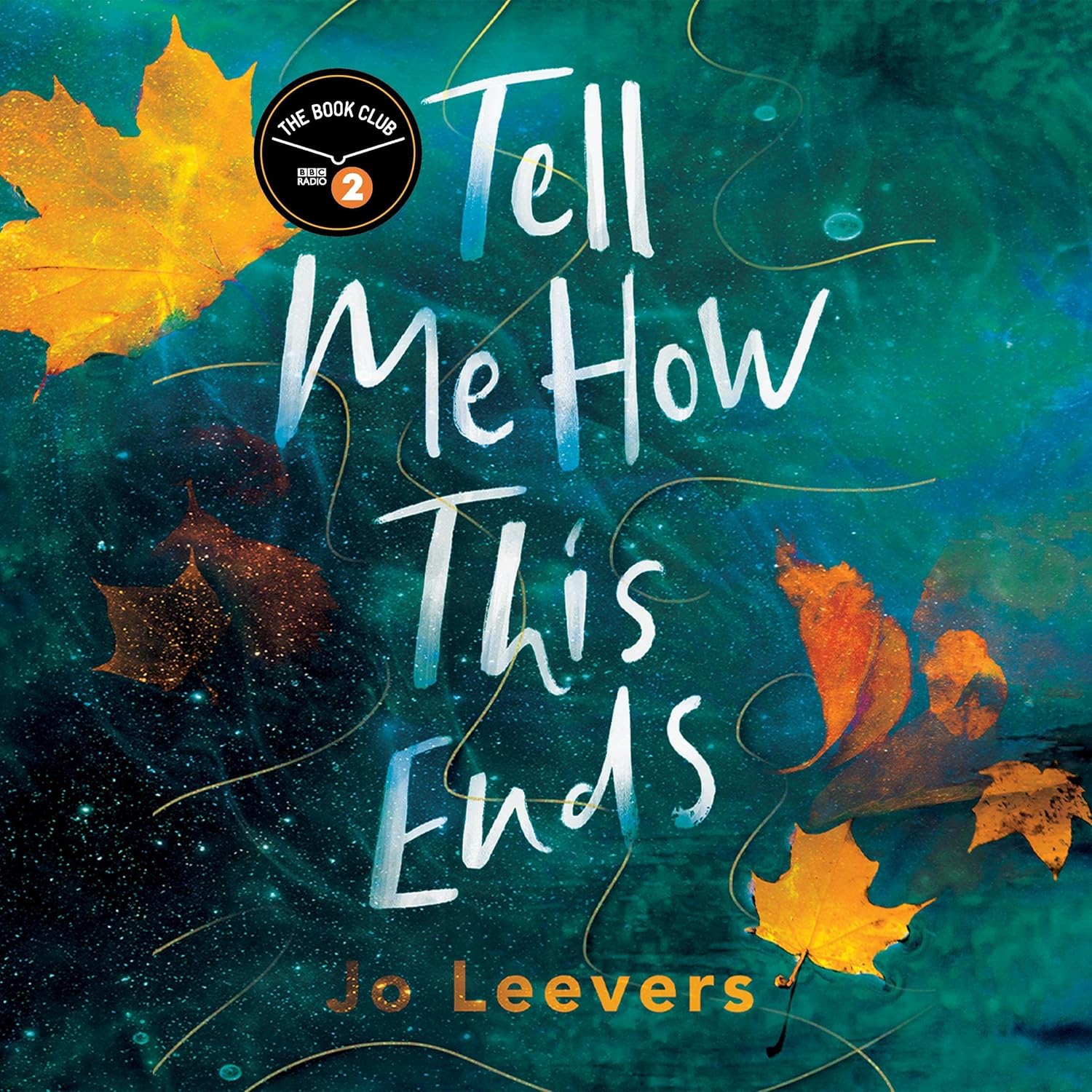
Haunted by the past, Henrietta throws herself into a new job transcribing other people’s life stories, vowing to stick to the facts and keep emotions at arm’s length. But when she meets the eccentric and terminally ill Annie, she finds herself inextricably drawn in. And when Annie reveals that her sister drowned in unexplained circumstances in 1974, Henrietta’s methodical mind can’t help following the story’s loose ends…
Unlike Henrietta, Annie is brimming with confidence—but even she has limits when it comes to opening up. Ever since that terrible night when her sister left a pile of clothes beside the canal and vanished, Annie has been afraid to look too closely into the murky depths of her memories. When her attempts to glide over the past come up against Henrietta’s determination to fill in the gaps, both women find themselves confronting truths they’d thought were buried forever—especially when Henrietta’s digging unearths a surprising emotional connection between them.
Could unlocking Annie’s story help Henrietta rewrite the most devastating passages in her own life? And, in return, can she offer Annie a final twist in the tale, before it’s too late?
‘Tell Me How This Ends‘ was promoted as an uplifting novel. That wasn’t my experience of it. Perhaps I set it aside before I reached the uplifting part. I found it to be a very sad story. Actually, two very sad stories, both of them believable. Both women had events in their past that have caused lasting harm. Annie is dying of cancer. She’s alone at the end of her life with no one to tell her story to. Henrietta is a little out of step with the world. She’s leading a constrained, lonely, disatisfying life, marred by a deep rooted guilt The two are brought together when Henrietta takes a job helping terminal patients to produce a ‘Life Story’ to leave behind. Henrietta sees the task as one requiring organisation, discipline and the proper use of templates. Annie, to her own surprise, discovers that it’s a way of unburdening herself of long-suppressed memories of what happened to her younger sister decades earlier.
For me, this history of these women was so soaked in sadness that I could only read a little at a time. Perhaps my experience of the book was shaped by the fact that, for me, this wasn’t historical fiction. I remember what England was like when Annie, now in her sixties, was a teenager. Her grim descriptions of the silent but relentless oppression of everyday racism and misogyny were a reminder rather than a discovery.
Despite the sadness, at the start of the book I wanted to see if / how these two women could help each other. I was intrigued by the premise. I thought telling the story by alternating between the two women’s points of view worked well as a means of showing their different life experiences and expectations. The passages where each woman recalled her memories of the key events in her life were vivid and felt like memories rather than movie flashbacks.
I ended up setting the book aside because the present-day timeline didn’t work for me. It didn’t generate the intimacy I’d expected. I was too conscious of the mechanics of the plot and not deeply enough immersed in the present-day experiences of the women. I felt like I was being burdened with the sadness of their past without becoming engaged in their present.
 Mike Finn's Fiction