I’ve read more than a thousand books since I started this book blog back in 2011. By now, I’ve forgotten what I wrote in most of the reviews and am left only with an residual emotional memory of the books, like cooking smells clinging to my clothes after a meal. So, I’ve decided to do a little time travelling by book blog and re-read some of the reviews I’ve posted.
This month, I’m travelling back nine years to January 2016 which, being pre-Brexit, pre-Trump, pre-retirement, and pre-covid, feels like a lifetime ago.
So, what was I doing in January 2016? I was thinking about retirement. I’d been a management conultant for more than twenty years at that point and even though I was a Partner, leading a Practice I had become increasingly alienated from the business world I was living in. My plan was to retire at sixty, in January 2017. In the end, I delayed by a year because I was offered a project I thought I couldn’t miss out on. Who knows if that was the right decision?
The post below, which describes a trip to our offices in Canary Wharf, is a good illustration of how I saw things at the start of what I thought was my final year.
When I looked at my January 2016 book reviews, I was surprised at how many memorable books I’d written about. I’ve picked out three to revisit here. One is an outstanding piece of Space Opera Science Fiction, one is the Kate Daniels book that made into a fan, and one is probably the best epistolary novel I’ve ever read.
I’ve shared my impressions of them below. If you’d like to time travel with me, follow the links to the original reviews.
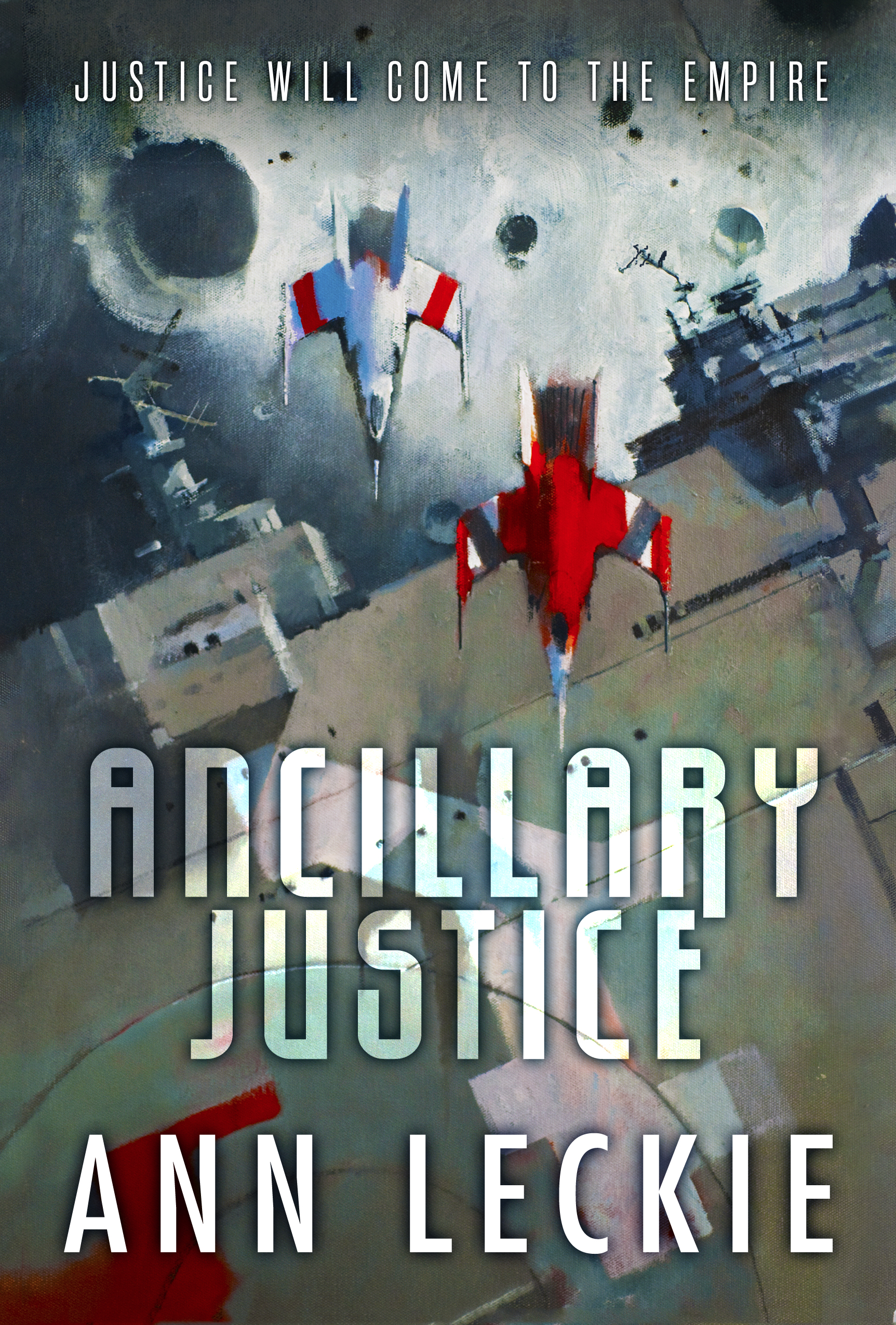
The Radch are conquerors to be feared – resist and they’ll turn you into a ‘corpse soldier’ – one of an army of dead prisoners animated by a warship’s AI mind. Whole planets are conquered by their own people.
The colossal warship called The Justice of Toren has been destroyed – but one ship-possessed soldier has escaped the devastation. Used to controlling thousands of hands, thousands of mouths, The Justice now has only two hands, and one mouth with which to tell her tale.
But one fragile, human body might just be enough to take revenge against those who destroyed her.
Ignore the potboiler Space Opera cover, ‘Ancillary Justice’ was one of the most original pieces of Science Fiction I’ve ever read It made quite a splash when it came out. It won the Hugo Award for Best Novel (2014), Nebula Award for Best Novel (2013), Locus Award for Best First Novel (2014), Arthur C. Clarke Award for Best Novel (2014), British Science Fiction Association Award for Best Novel (2013) The one that surprised me most was the Locus Award for Best First Novel. How could a book this accomplished be a debut novel.
Here’s what I said about the novel at the time.
“In “Ancillary Justice” Ann Leckie doesn’t just do world-building, she creates an entire universe, spanning many worlds and huge tracts of time. By telling the tale through the (sometimes many) eyes of an AI with a self-imposed mission of revenge, Ann Leckie keeps the scale of the experience human, driven by character and emotion rather than by the sweep of history.
Even though I’ve been given a whole new universe to explore, the image that haunts me after reading the book is that of an AI who seems to be a better person than the humans around her even though she was conceived primarily as a weapon of conquest.”
I went on to read ‘Ancillary Sword‘ and ‘Ancillary Mercy‘ as they came out and remained fascinated by the universe Ann Leckie had created. With each book, I fell under the spell of her calm, precise, writing which made these Space Opera books into an exploration of ideas and ethics as well as delivering excting plots.
Click on the link below to read my 2016 review.
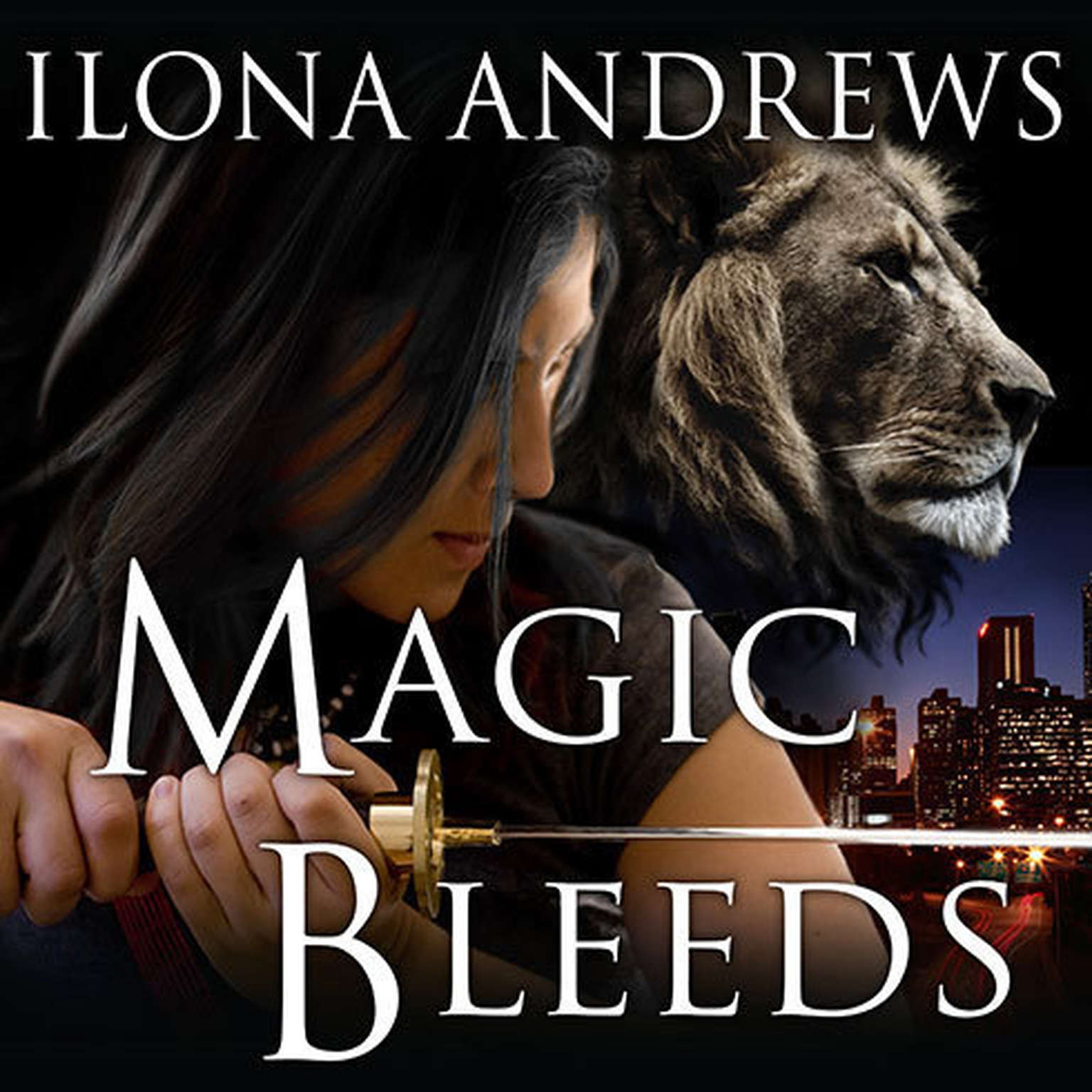
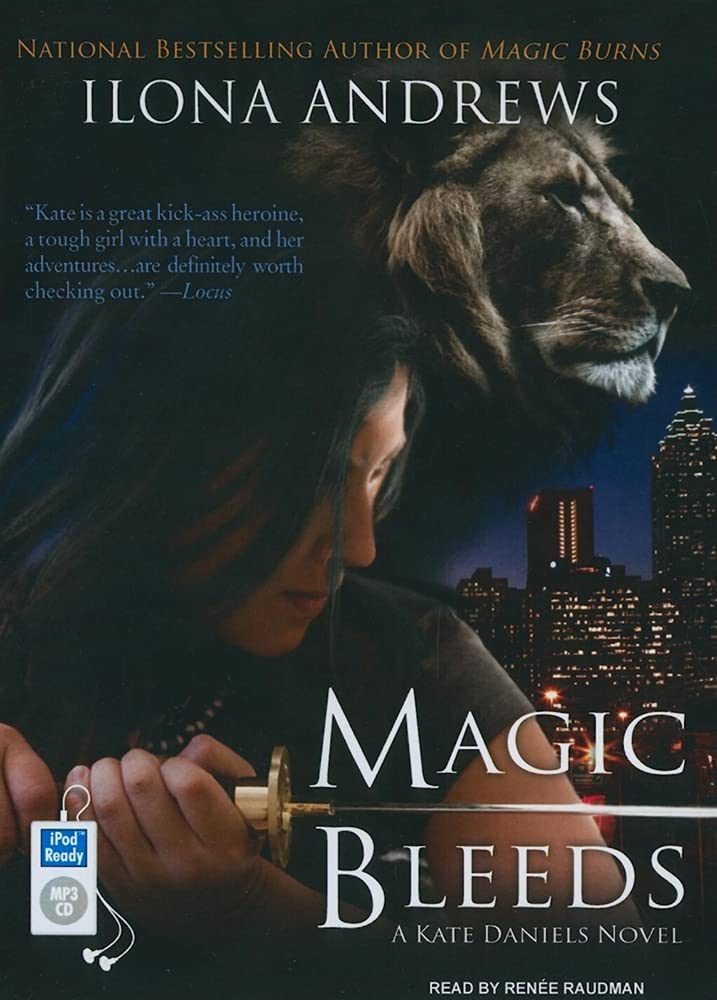
In an Atlanta caught between magic and technology, every dark corner hides a danger. And when a fight breaks out at the Steel Horse bar, a local hangout right between shapeshifter and necromancer territory, Kate Daniels, working for the Order of the Knights of Merciful Aid, is sent to investigate the aftermath. What she finds is an opponent more powerful, ancient, and deadly than she’s ever seen; and way beyond her power to fight, known as The City Eater. She could ask for backup from Curran, the Beast Lord – but he just stood her up for their date. No way does he get out of that trouble by a nice, easy death. Not only that, but this fight is personal: because Kate soon discovers that the City Eater is family….
Although the Kate Daniels series was first published in 2009, I didn’t encounter it until 2015. I then consumed the first three books almost immediately. This kind of Urban Fantasy was new to me. It was funny, action-packed, and had magic, technology, shifters, vampires with a twist, and a kick-ass, sword-wielding heroine with a secret.
Even so, it was the fourth book, ‘Magic Bleeds,’ that turned me into a fan. It had all the things that made the first three books fun, but it kicked things up a gear by focusing on Kate as a person as well as a kick-ass, sword-wielding, perhaps-not-quite-human, killing machine.
Here’s what I said at the time:
“The courtship between her and “his furriness” the Beastlord, Curran finally took off. The blend of humour, angst, anger, lust and (FINALLY) some actual sex would have made this a good book all by itself. Add in Kate coming up against an enemy that shares her blood and is determined to rip her apart, an “attack poodle” that adopts Kate, some violent but believable Pack politics, and the need for Kate to risk sacrificing everything she has and you have a powerful novel.”
I went on to read all ten of the first series of Kate Daniels novels, plus most of the spinoff novellas, and enjoyed them all. I also read the two Willmington years books (and I’m still hoping for a third one day). These characters now live rent-free in my imagination.
Click on the link below to read my 2016 review.
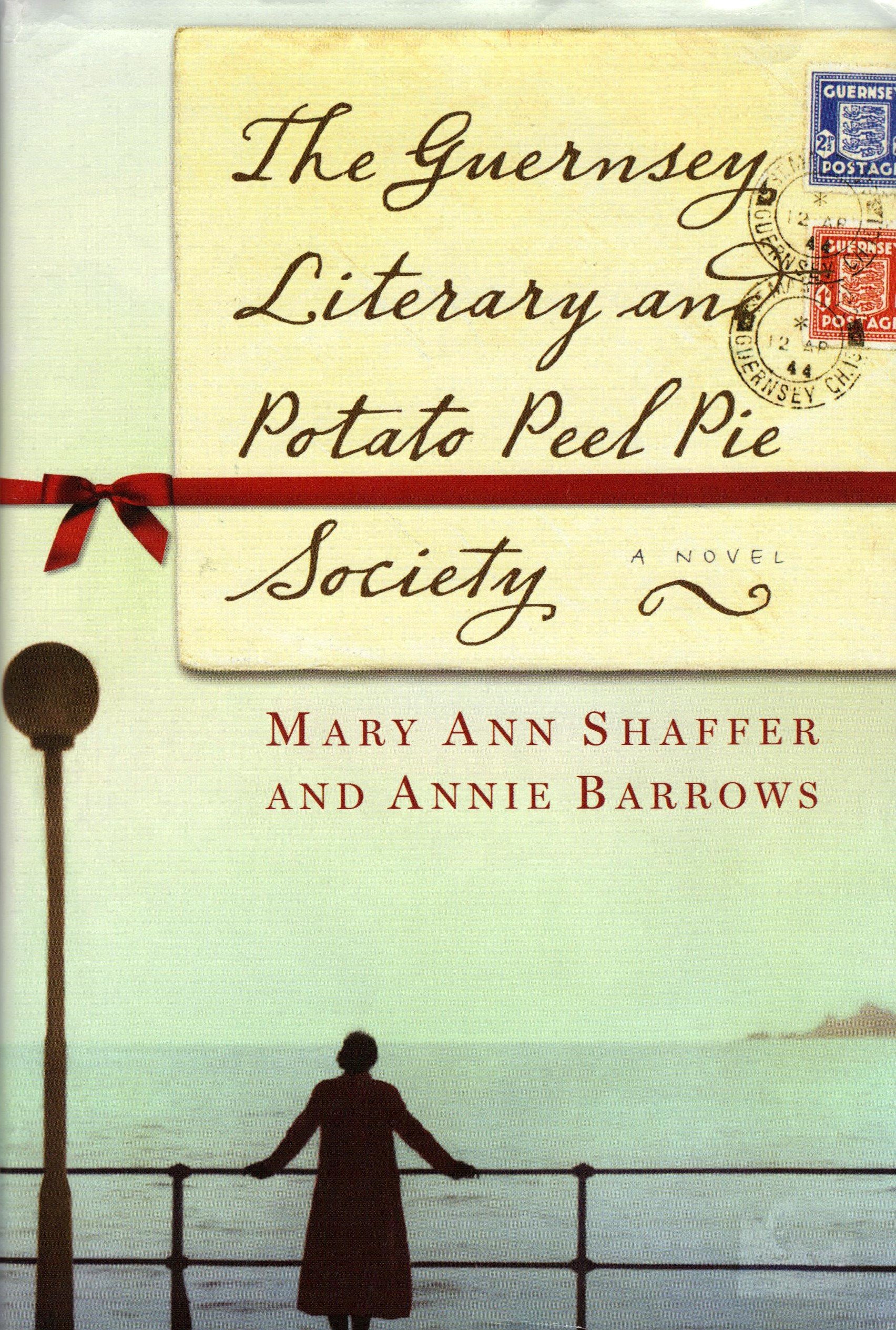
It’s 1946. The war is over, and Juliet Ashton has writer’s block. But when she receives a letter from Dawsey Adams of Guernsey – a total stranger living halfway across the Channel, who has come across her name written in a second hand book – she enters into a correspondence with him and in time with all the members of the extraordinary Guernsey Literary and Potato Peel Pie Society.
Through their letters, the society tell Juliet about life on the island, their love of books – and the long shadow cast by their time living under German occupation. Drawn into their irresistible world, Juliet sets sail for the island, changing her life forever.
This book was a revelation, an epistolary novel packed with strong voices and deep emotions. I’m very glad I read it, but it wasn’t an easy read. The start felt too light-weight and middle-class for me. Then the letters from Guernsey started to arrive, and I became deeply engaged with the people. So deeply engaged that some passages moved me to tears.
Here’s what I said about the book at the time.
“Normally, I don’t do well with a novel about the behaviour of the Germans in World War II. Too many books seem to glory in the details of the atrocities or push for the easy-to-claim-in-retrospect moral high ground. What I found compelling about this book was the very personal nature of the disclosures, grounded in individual experiences where one has to decide whether to do what is right or what is safe, where one becomes or is made, more or less human by each decision and where the highest form of bravery is not giving way to despair in the face of inhuman behaviour….
…Yet this book in neither a dirge nor a lament. It is a book about the joy of life and love as much as it is about sorrow and loss. There is a love story, delicate, slight but wondrous all the same, at the centre of this book. There are also friendships and kindnesses that lift the spirit.”
I strongly recommend the audiobook. The use of multiple narrtors reinforced the strong vioices of the letter writers.
Click on the link below to read my 2016 review.
 Mike Finn's Fiction