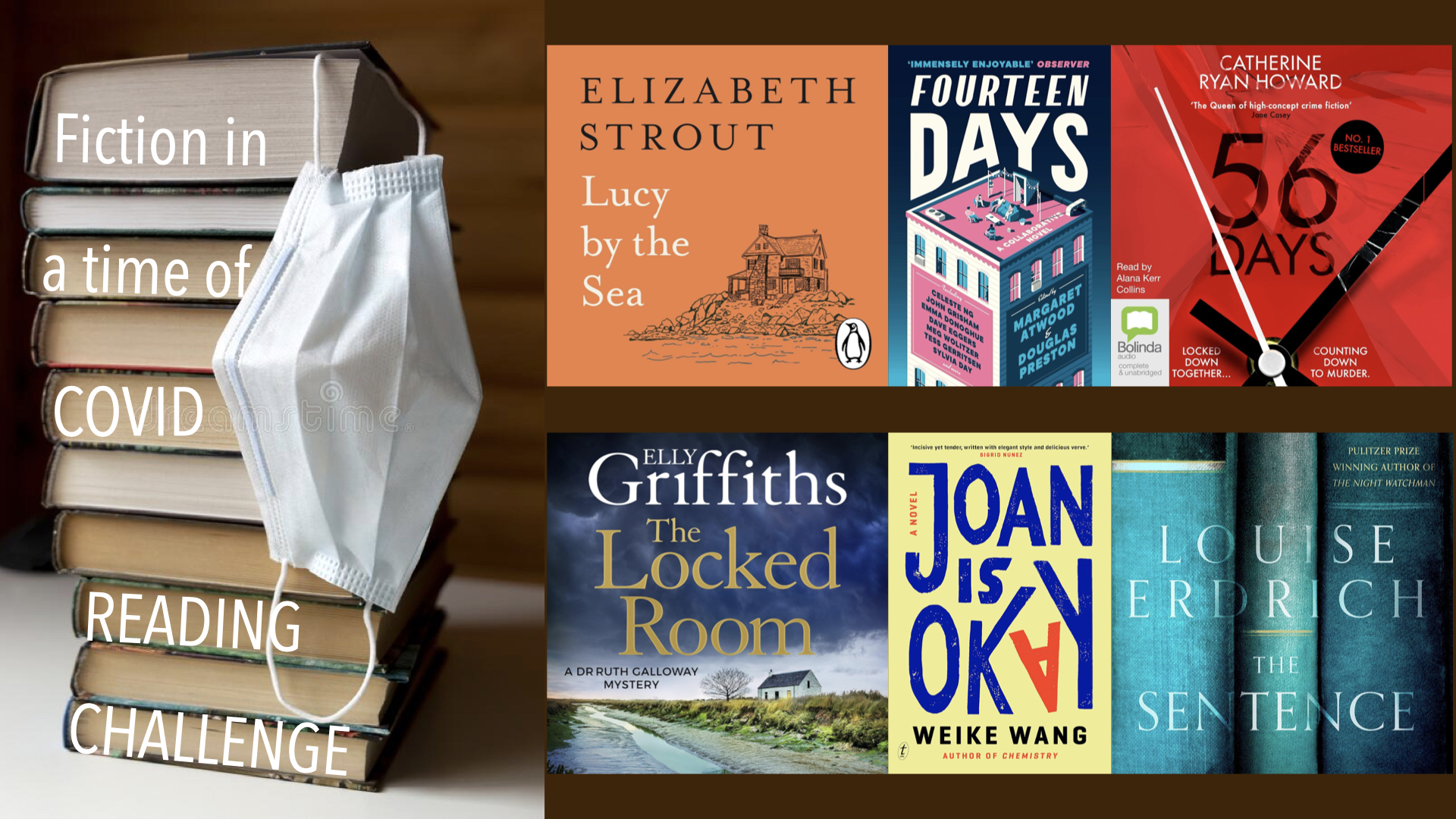
The cherry trees are blossoming. The blackbirds are singing. They seem to think that Spring is here. I’m not convinced, but I’m glad the days are getting longer. This week, I’ve been reading good books, but I’ve been making slow progress, so I’ve set myself a Fiction in a Time of COVID reading challenge to energise my reading for the rest of March.
It’s six years this month since the first COVID Lockdown in the UK so I’m going to honour the anniversary by reading six lockdown novels. It seems to me that memories of this time are already fading. Myths are morphing into anecdotal history, and no one from our corrupt, incompetent government in the UK has been punished for the deaths they caused or the fraud that they enabled. So, I’m going to spend some time this month reading fiction set in the UK and the US during those COVID days, to remind myself of what it was like and the impact it had.
Anyway, here’s what I’ve read and bought this week and what’s up next.
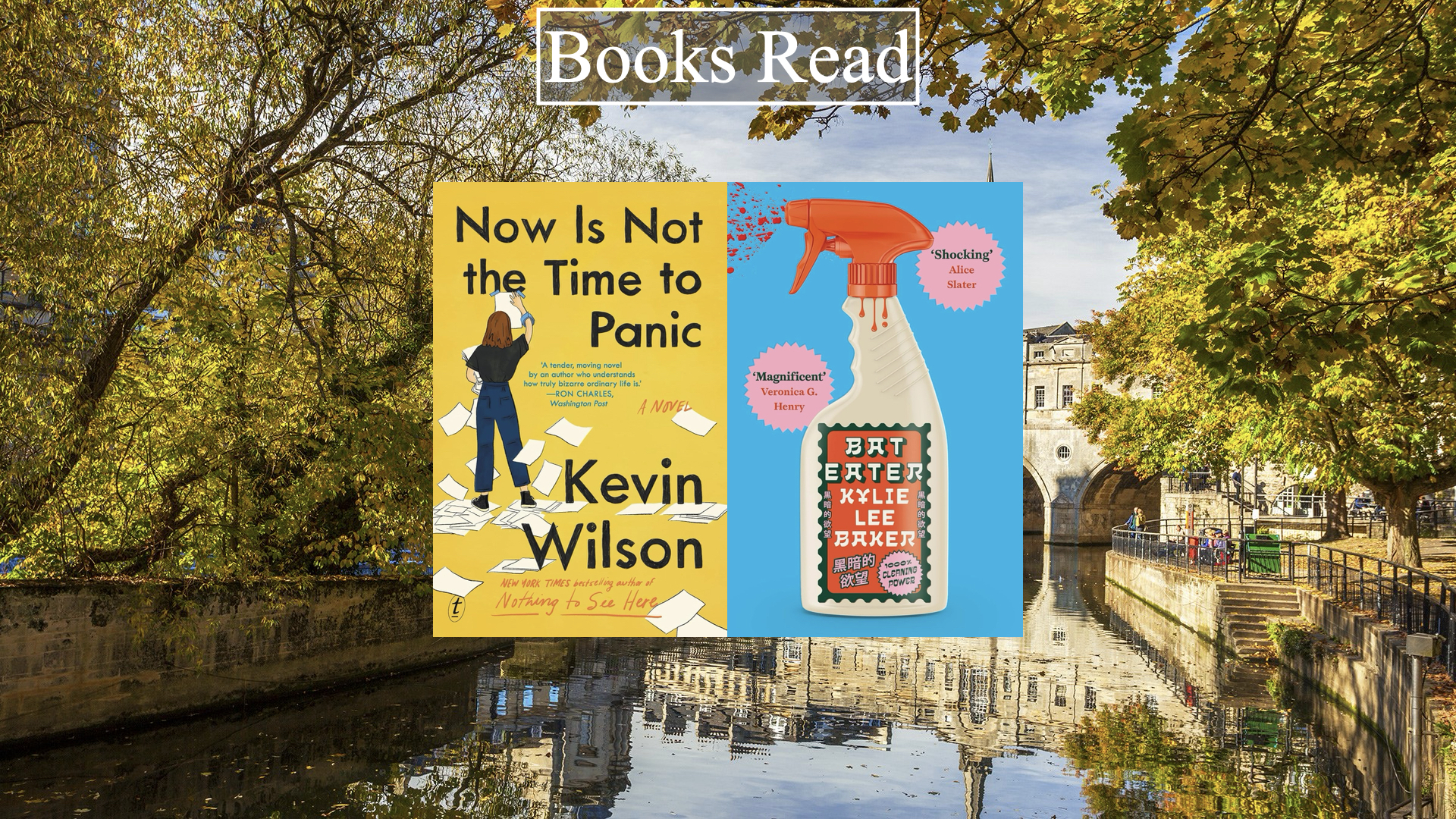
I only finished two books this week but they were both fascinating reads. Their tone and intent were very different and each had a unique voice bot they were both about broken people going through something extraordinary. I recommend both of them to you.
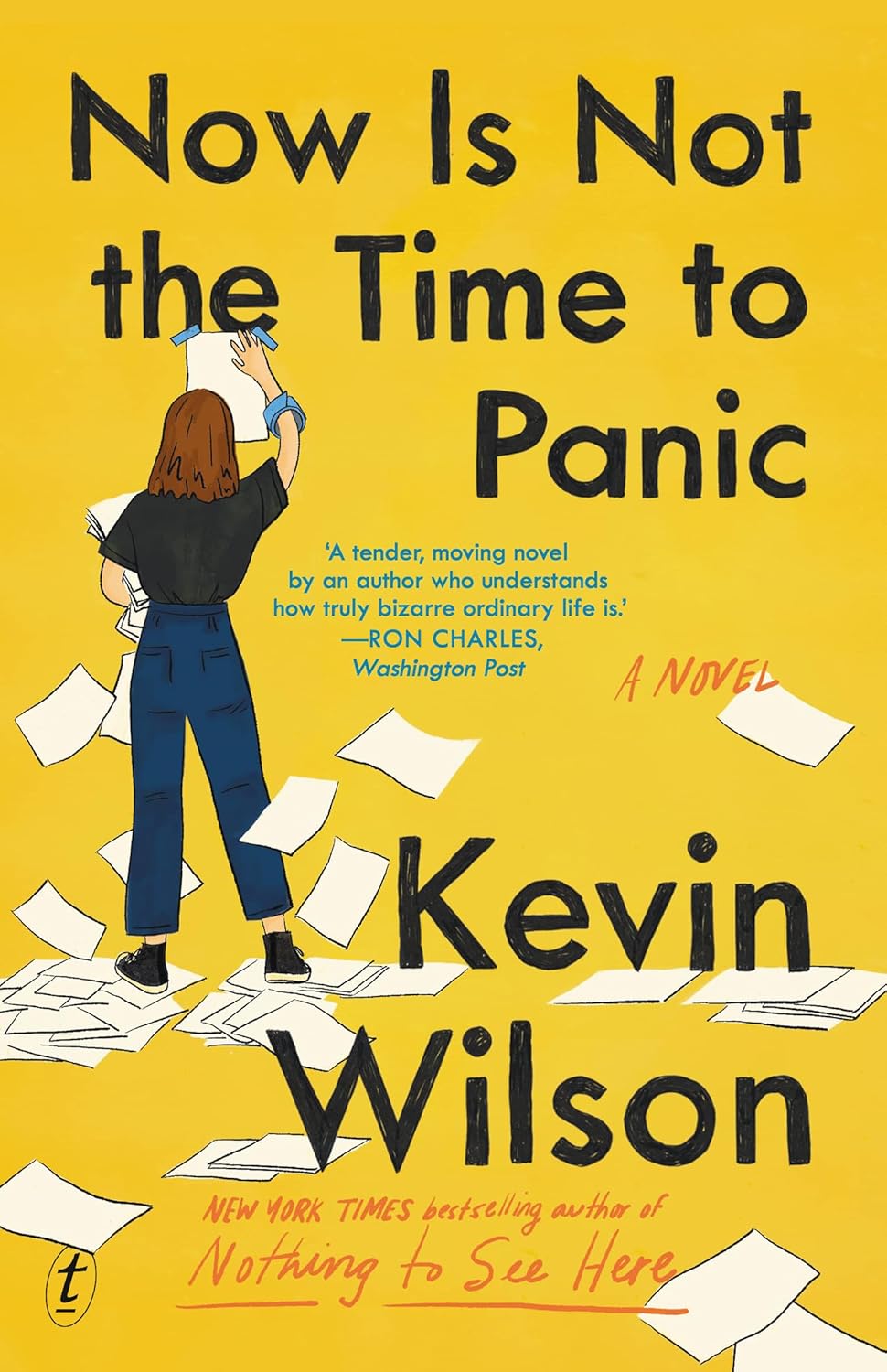
Sixteen-year-old Frankie Budge—aspiring writer, indifferent student, offbeat loner—is determined to make it through yet another sad summer in Coalfield, Tennessee, when she meets Zeke, a talented artist who is as lonely and awkward as she is.
As romantic and creative sparks begin to fly, Frankie and Zeke make an unsigned poster that becomes unforgettable to anyone who sees it. Copies of their work are everywhere in town, and rumours start to fly about who might be behind the ubiquitous posters: Satanists? Kidnappers? Soon, the mystery has dangerous repercussions that spread further afield, and the art that brought Frankie and Zeke together now threatens to tear them apart.
Twenty years later, Frances Eleanor Budge—famous author, mother to a wonderful daughter, wife to a loving husband—gets a call that threatens to upend everything: a journalist asks if Frances might know something about the Coalfield Panic of 1996. Could Frances’ past destroy the life she has so carefully built?
From the publisher’s summary, this sounds like a coming-of-age Young Adult novel with a quirky romantic subplot. It isn’t. This is a very grown-up book about art, identity, the power of obsession, and the corrosive effect of keeping secret for more than twenty years, events that you believe defined you.
The novel starts with present-day Frankie, who has the life she’s made as a wife. a mother and a successful author, put at risk because the secret she’s kept for twenty years about the things she did in the summer of her sixteenth year is about to be exposed. The story then flips between now and the summer of 1996, revealing what happened and what it meant to Frankie.
The 1996 timeline vividly summons up the memory of what it was to be sixteen and strange in a small town that has nothing to offer you at a time before there was an Internet to show you other worlds and other people like yourself.
I loved that the present-day Frankie still so closely resembled her sixteen-year-old self in terms of her passions and her fears. She loves the life she’s built as an adult, but knows it sits on a foundation that she’s kept secret even from the people she loves.
I loved that Frankie, even at sixteen, understood that who she was and what she wanted was different from the people around her and felt no need to apologise for it and had no ability to explain it, except through art.
One of the strongest themes in the book is about what art is. This isn’t done through abstract conversations, but by describing what it feels like to create art that expresses something you know to be true and important, but that you can’t explain except through showing people the art. We see the power of that ambiguously truthful art to stir emotions in others, ranging from rapture to rage, and we’re shown how, once art is shared, it no longer belongs to nor is completely defined by the person who created it.
All of this is wrapped in a propulsive plot that had me turning the digital pages to find out what Frankie did in 1996 and what was going to happen to her now.
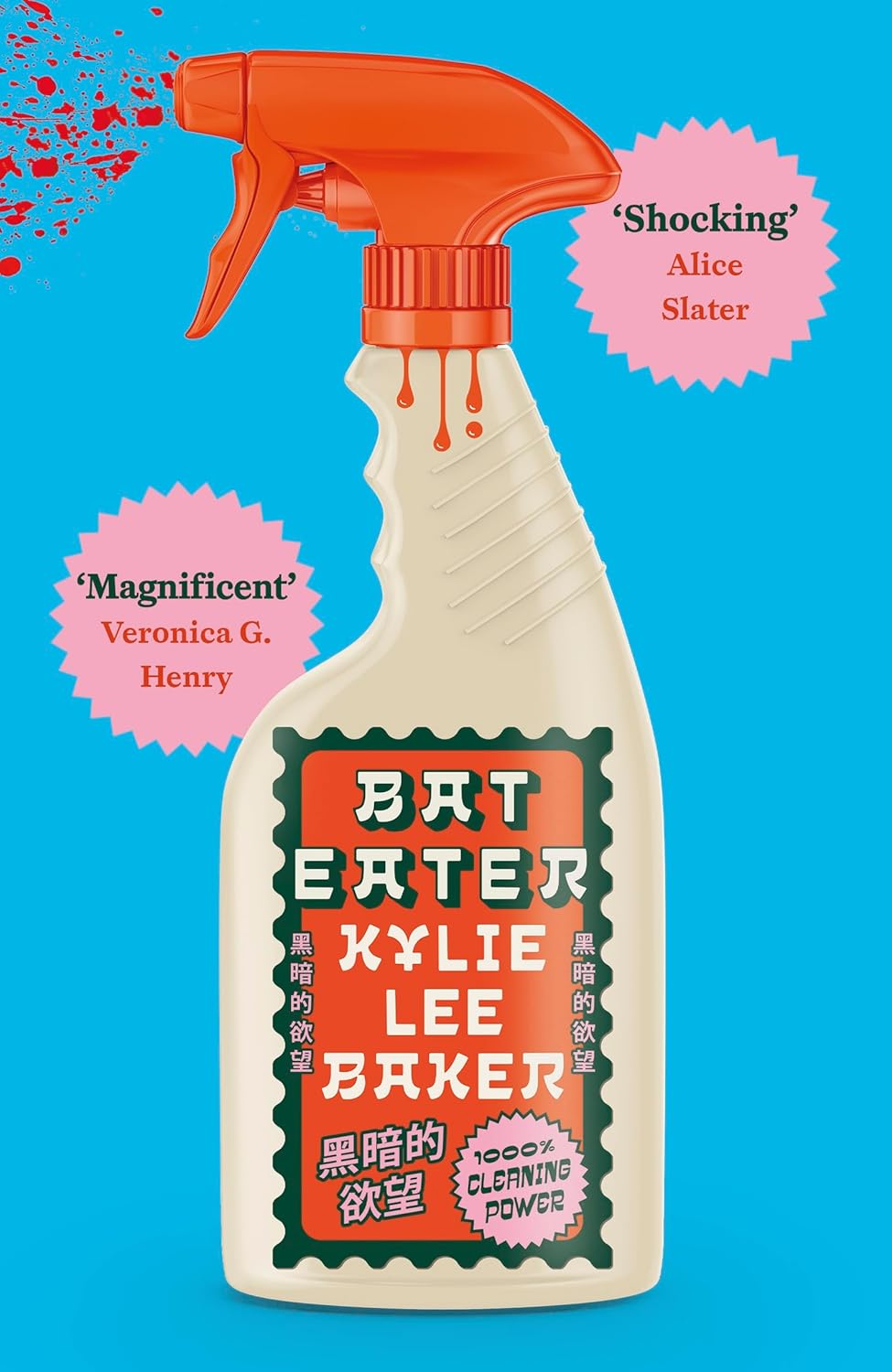
Cora Zeng is a crime scene cleaner. But the bloody messes don’t bother her, not when she’s already witnessed the most horrific thing possible: her sister being pushed in front of a train.
But the killer was never caught, and Cora is still haunted by his last words: bat eater.
These days, nobody can reach Cora: not her aunt who wants her to prepare for the Hungry Ghost Festival, not her weird colleagues, and especially not the slack-jawed shadow lurking around her doorframe. After all, it can’t be real – can it?
After a series of unexplained killings in Chinatown, Cora believes that someone might be targeting East Asian women, and something might be targeting Cora herself.
Soon, she will learn . . . you can’t just ignore hungry ghosts.
I’m still reeling a little from reading this novel. It’s very powerful. It’s filled with blood and gore and violence and truly terrifying ghosts, but it isn’t primarily a horror novel, in that it doesn’t set out to horrify. It sets out to tell the survival story of Cora Zeng, an American-born Chinese woman with a history of mental illness, who endures the trauma of seeing the only person she feels connected to brutally murdered in a racially motivated attack during the first COVID lockdown in Manhattan.
Cora has lived her life in the shadow of her charismatic half-sister. She has surrendered her agency to others because she doesn’t trust her own decision-making and has no strong desires. The trauma Cora has been through has left her even more vulnerable and uncertain of herself.
The novel tracks Cora’s attempts to understand what is real and what might be her brain misfiring as she comes across evidence of what might be a serial killer targeting young Chinese women like her. Her struggle is made more complicated by her social awkwardness and by the conflicting messages she has received about the nature of the supernatural world from her white and her Chinese grandmother.
Part of the power of the novel comes from reminding us of how the fear of COVID, labelled as the Chinese Disease, unleashed racial hatred in America.
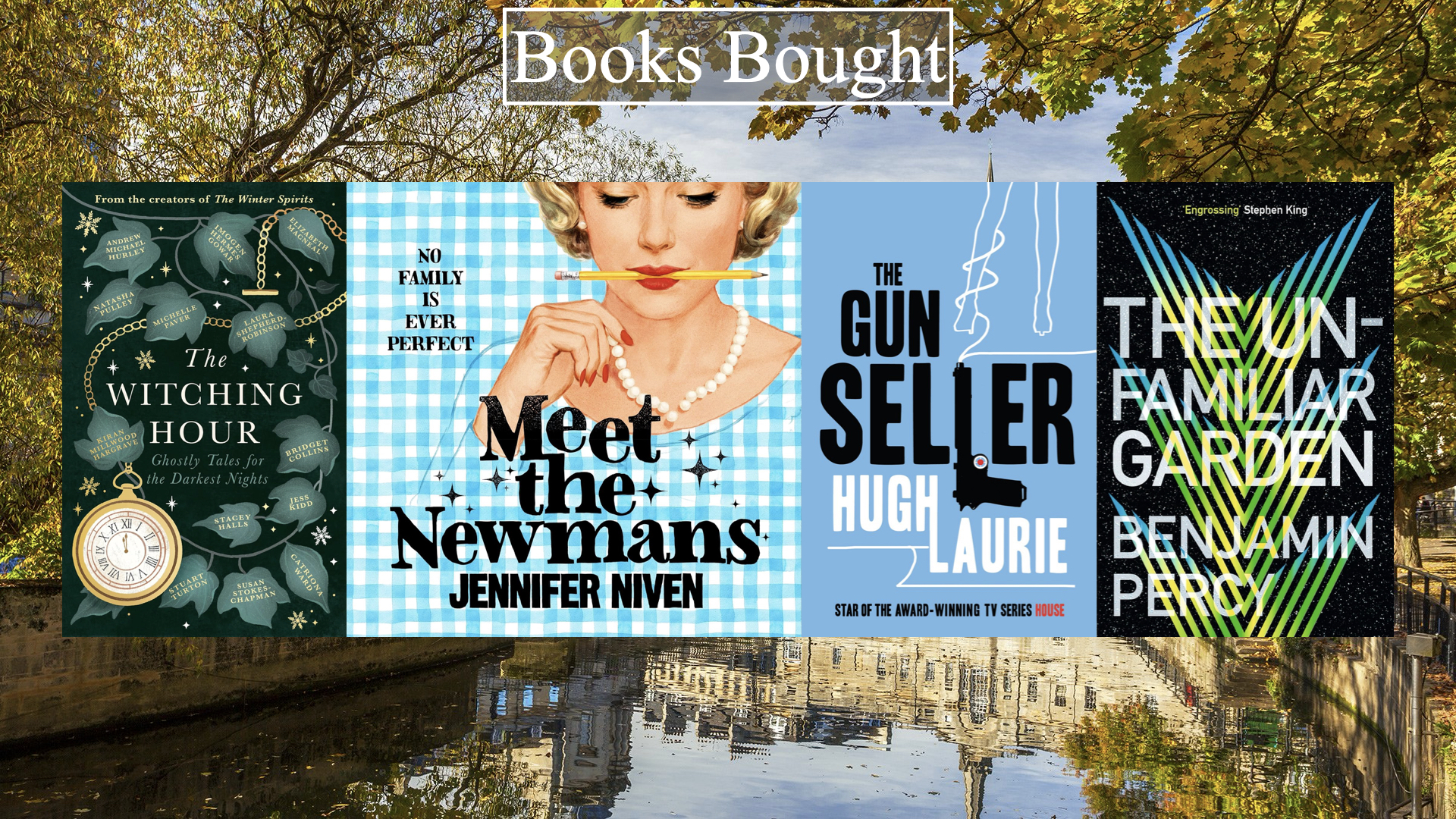
This week, with one exception, I’ve been buying books that passed me by when they first came out: a collection of haunted tales that was published last year, a humorous spy novel by Hugh Laurie that’s now thirty years old and the second book in a speculative fiction series that I’d meant to continue with. I also bought a hot-off-the-press comedy novel that I hope will raise a smile or two.
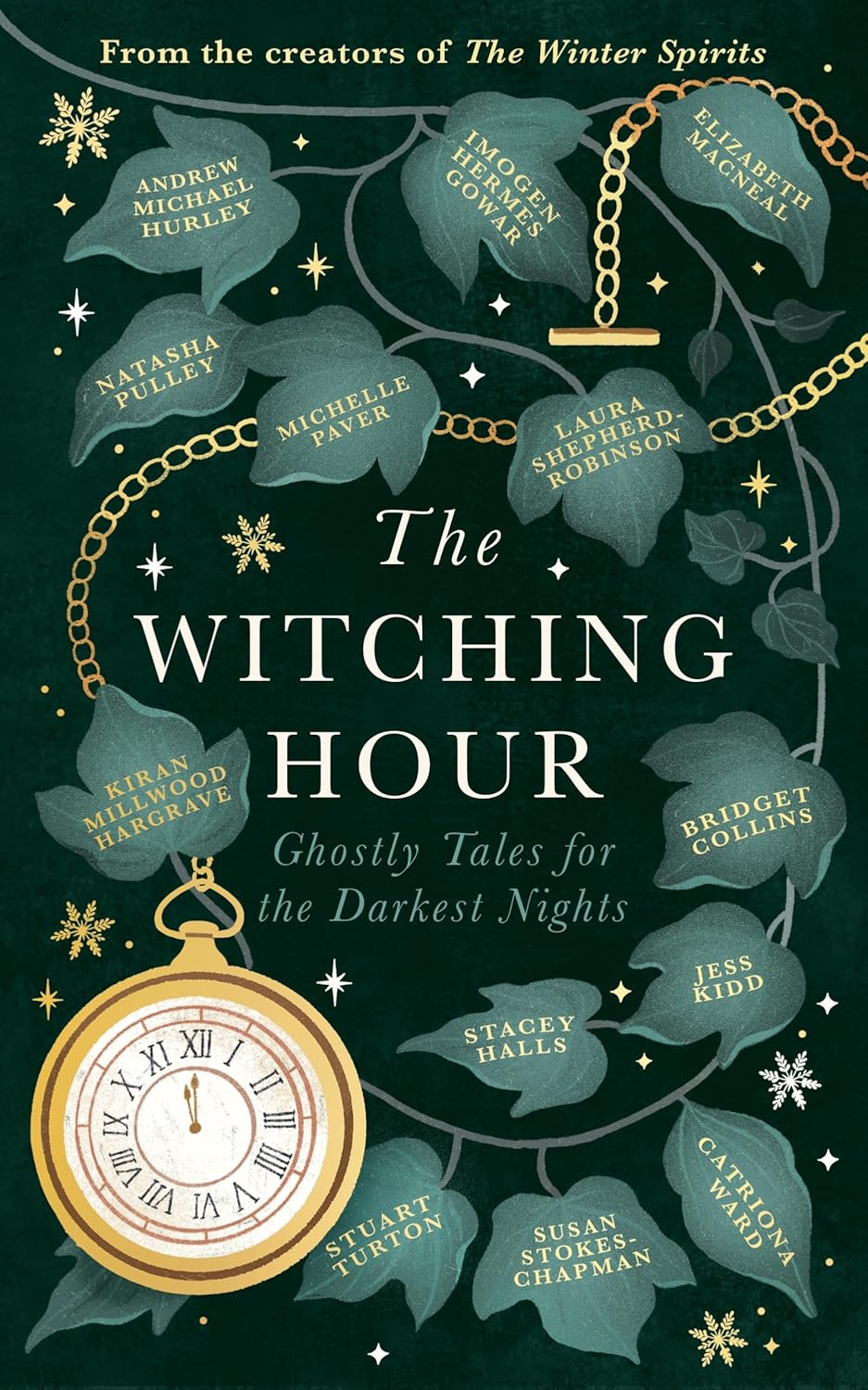
There is something peculiar about the hour after midnight.
It is the time when darkness reigns.
And strange things roam the earth.
In this dazzling collection of original haunted tales, thirteen bestselling and much-loved authors bring the old superstition of the witching hour to new and vivid life.
Transporting you from the smog of London to the freezing mists of Svalbard, from an Irish town riddled with rumour to a sinister English boarding school, these thirteen stories will serve as your spinetingling companion to the long hours of winter.
So curl up, light a candle, and wait for the clock to strike . . .
This was on sale for £0.99 so I snagged it as a potential Halloween Bingo read. I’ve read and liked about half of the thirteen contributing writers so I have high hopes of this one.
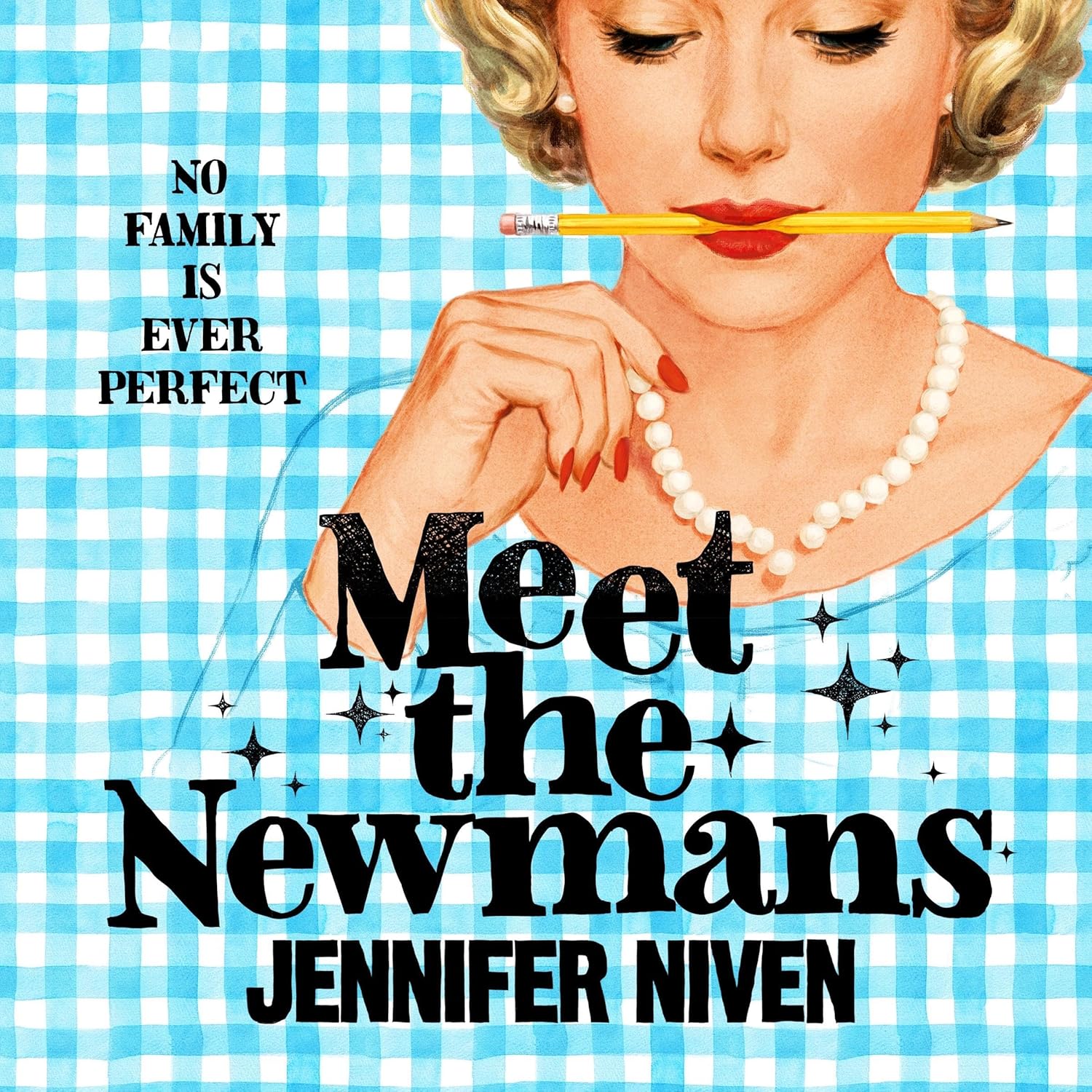
Los Angeles, 1964.
For two decades, Del and Dinah Newman and their sons, Guy and Shep, have ruled television as America’s Favourite Family. Millions of viewers tune in every week to watch them play flawless, black-and-white versions of themselves. But now the Sixties are in full swing, and the Newmans’ perfection suddenly feels woefully out of touch.
Ratings are in free fall, as are the Newmans themselves. Del is keeping an explosive secret from his wife, and Dinah is slowly going numb. Steady, stable Guy is hiding the truth about his love life, and rock ‘n’ roll idol Shep may finally be in real trouble.
When Del is in a mysterious car accident, Dinah decides to take matters into her own hands. She hires Juliet Dunne, an outspoken young reporter, to help her write the final episode. But Dinah and Juliet have wildly different perspectives about what it means to be a woman, and a family, in 1964 America.
Can Dinah Newman bring her family together to change television history?
Or will she be cancelled before she ever had the chance?
This one’s a bit of a risk. All the hype around it sounds good. That’s what makes it hype after all. I like the premise, and I enjoyed the sample. So what’s the risk? Well, Jennifer Niven is best known for her novel ‘All The Bright Places’, which I couldn’t bring myself to read because it seemed to combine a quirky/cute love story with suicidal ideation in teenagers. I’m hoping this novel is less disturbing than that.
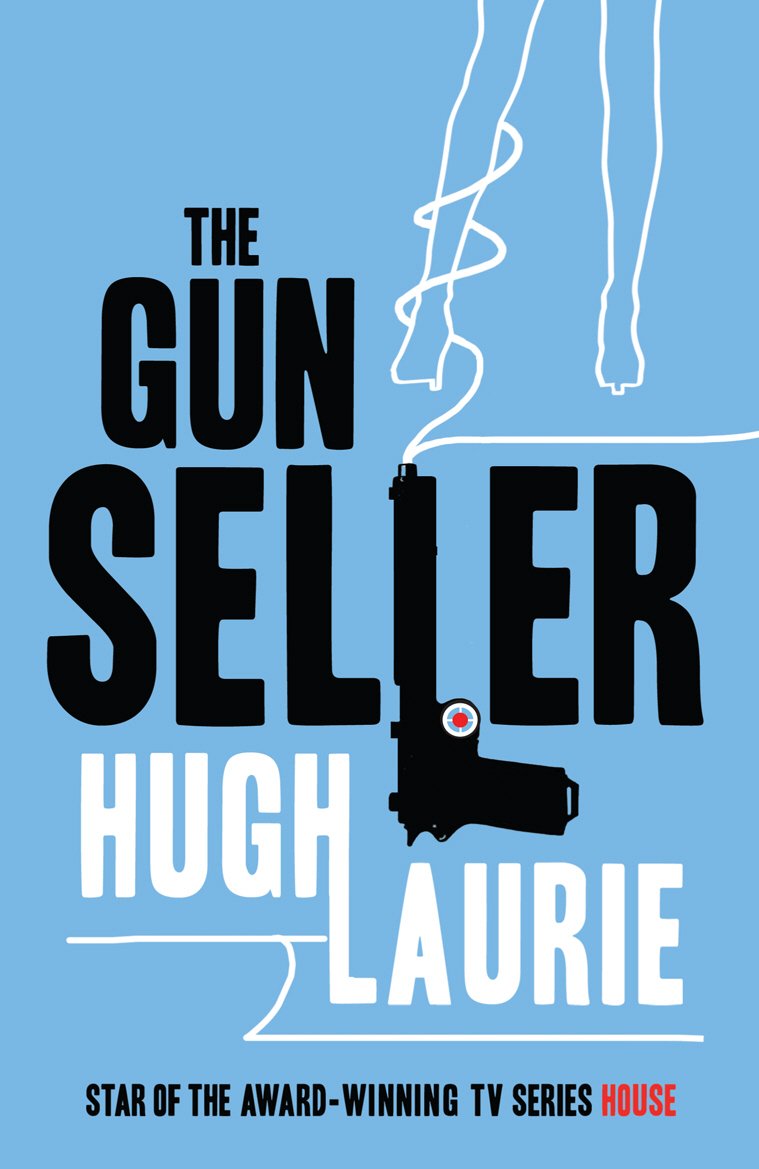
When Thomas Lang, a hired gunman with a soft heart, is contracted to assassinate an American industrialist, he opts instead to warn the intended victim – a good deed that doesn’t go unpunished.
Within hours Lang is butting heads with a Buddha statue, matching wits with evil billionaires, and putting his life (among other things) in the hands of a bevy of femmes fatales, whilst trying to save a beautiful lady … and prevent an international bloodbath to boot.
I had no idea that Hugh Laurie had written a novel. I don’t know how this passed me by when it came out in 1996, but now that I know it exists, I have to read it. I know I’m thirty years late to this party, but I’m still curious to see what Hugh Laurie will do with his assassin with a conscience.
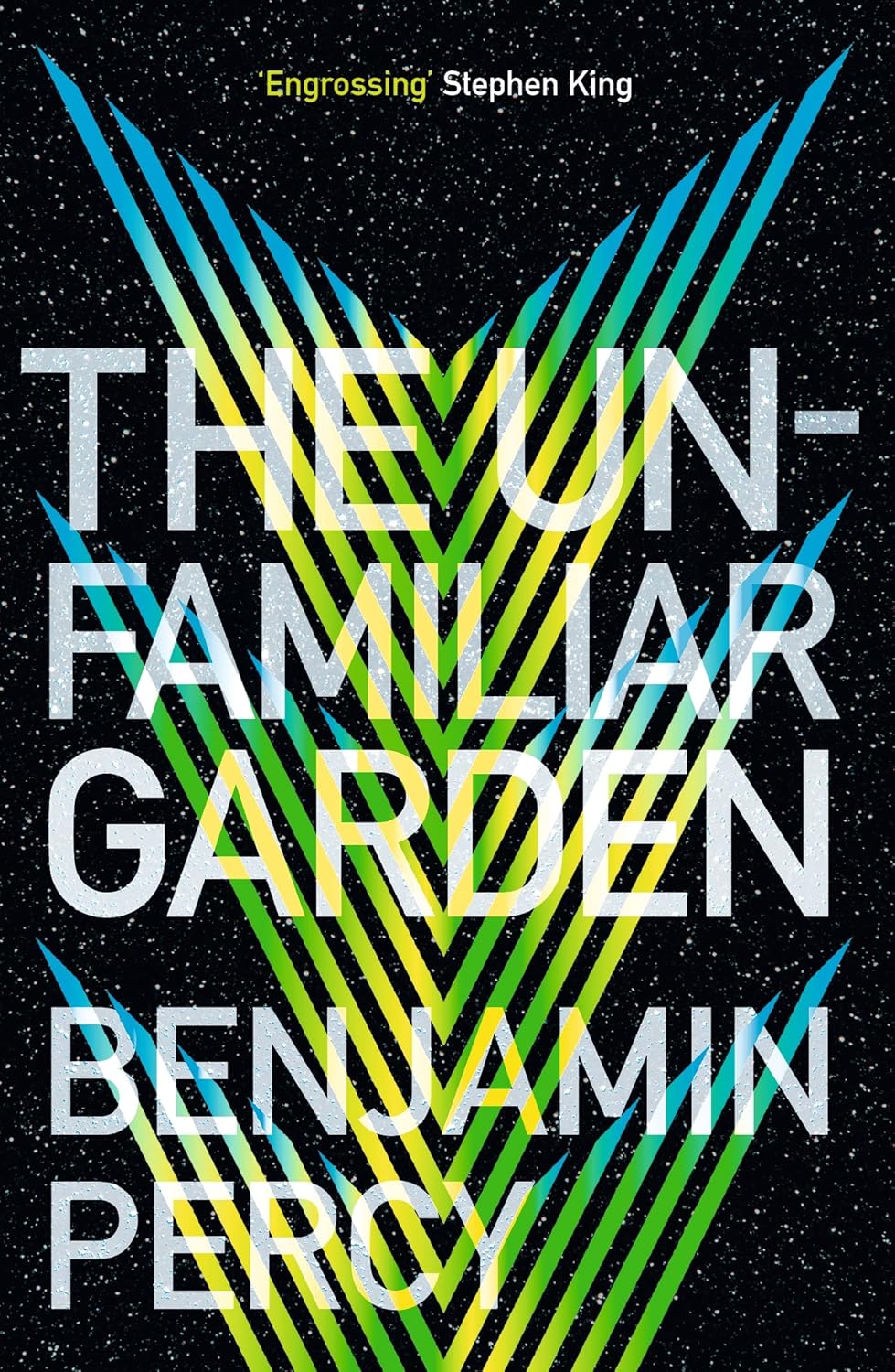
The night the sky fell, Jack and Nora Abernathy’s daughter vanished in the woods. And Mia’s disappearance broke her parents’ already fragile marriage. Unable to solve her own daughter’s case, Nora lost herself in her work as a homicide detective. Jack became a shell of a man; his promising career as a biologist crumbling alongside the meteor strikes that altered weather patterns and caused a massive drought.
It isn’t until five years later that the rains finally return to nourish Seattle. In this period of sudden growth, Jack uncovers evidence of a new parasitic fungus, while Nora investigates several brutal, ritualistic murders. Soon they will be drawn together by a horrifying connection between their discoveries—partnering to fight a deadly contagion as well as the government forces that know the truth about the fate of their daughter.
I read and gave four stars to ‘The Ninth Metal’ (2021), the first book in this trilogy, when it was published. I’d intended to carry on with the series, but I got distracted and didn’t follow through. I stumbled across ‘The Unfamiliar Garden’ (2022) and decided to give it a try. I don’t think that the five-year gap will be a problem because, although both books share the same meteors-hitting-Earth-and-bringing-change scenario, their storylines and characters seem to be independent.
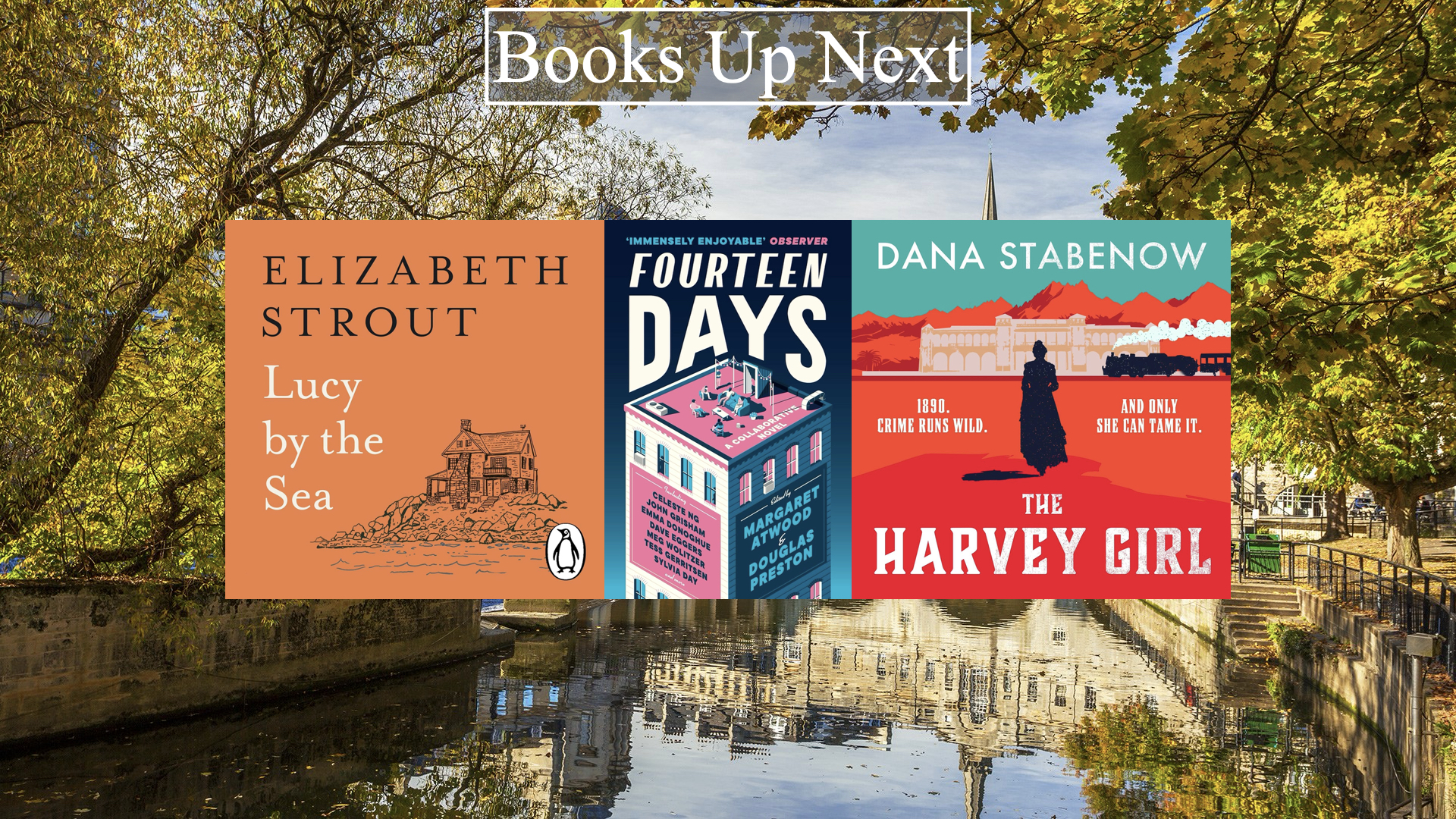
Two of this week’s books are part of my ‘Fiction in a Time of COVID’ reading challenge. The third is the first book in a new historical fiction series from Dana Stabenow that I’ve had on pre-order since January.
In March 2020 Lucy Barton’s ex-husband William pleads with her to leave New York and escape to a coastal house he has rented in Maine. Lucy reluctantly agrees, leaving the washing-up in the sink, expecting to be back in a week or two. Weeks turn into months, and it’s just Lucy, William, and their complex past together in a little house nestled against the sea.
I relished the first two books in this series ‘My Name Is Lucy Barton’ (2016) and ‘Anything Is Possible’ (2018). The writing is astoishingly good and exceptionally honest. Lucy Barthon’s voice is distinctive and engaging. These are novels that descibe life as we live it in a compelling snd truthful way. I have the third book ‘Oh William!’ (2021) on my shelves but I’m going to read the fourth book, ‘Lucy By The Sea’ (2022) out of sequene because it’s set during a COVID lockdown.
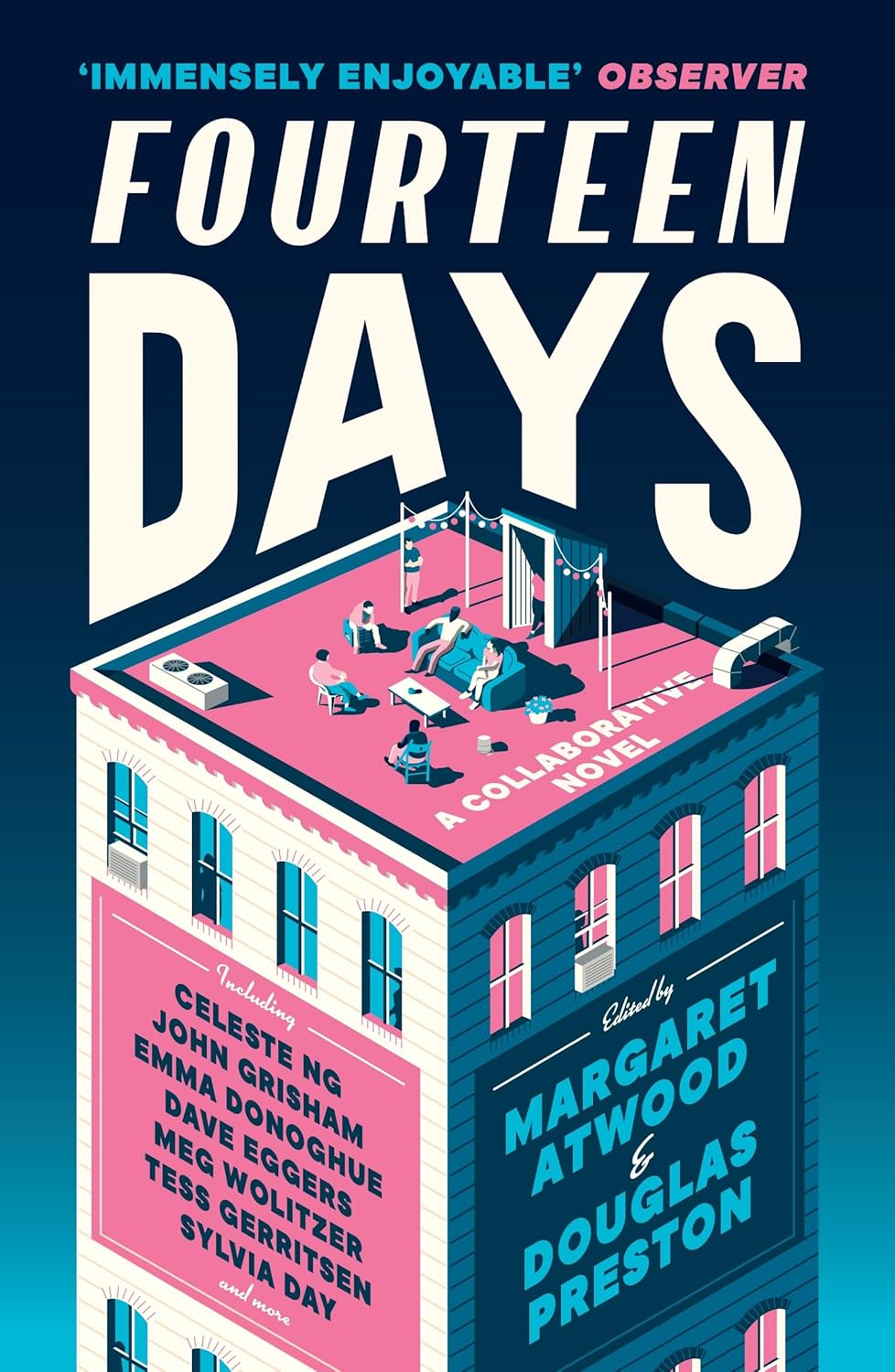
One week into lockdown, the tenants of a run-down apartment building in Manhattan have begun to gather on the rooftop each evening and tell stories. With each passing night, more and more neighbours gather, bringing chairs and milk crates and overturned pails. Gradually the tenants – some of whom have barely spoken to each other before now – become real neighbours.
‘Fourteen Days’ (2024) is a collaborative novel, written by thirty-six well-known American and Canadian authors, set in a six-story walk-up in Manhattan during fourteen days of the 2020 lockdown. It’s edited by Margaret Atwood and Douglas Preston. It’s a continuous novel, not a set of linked short stories. I think it will either be great or terrible, but it’s definitely something I want to try.
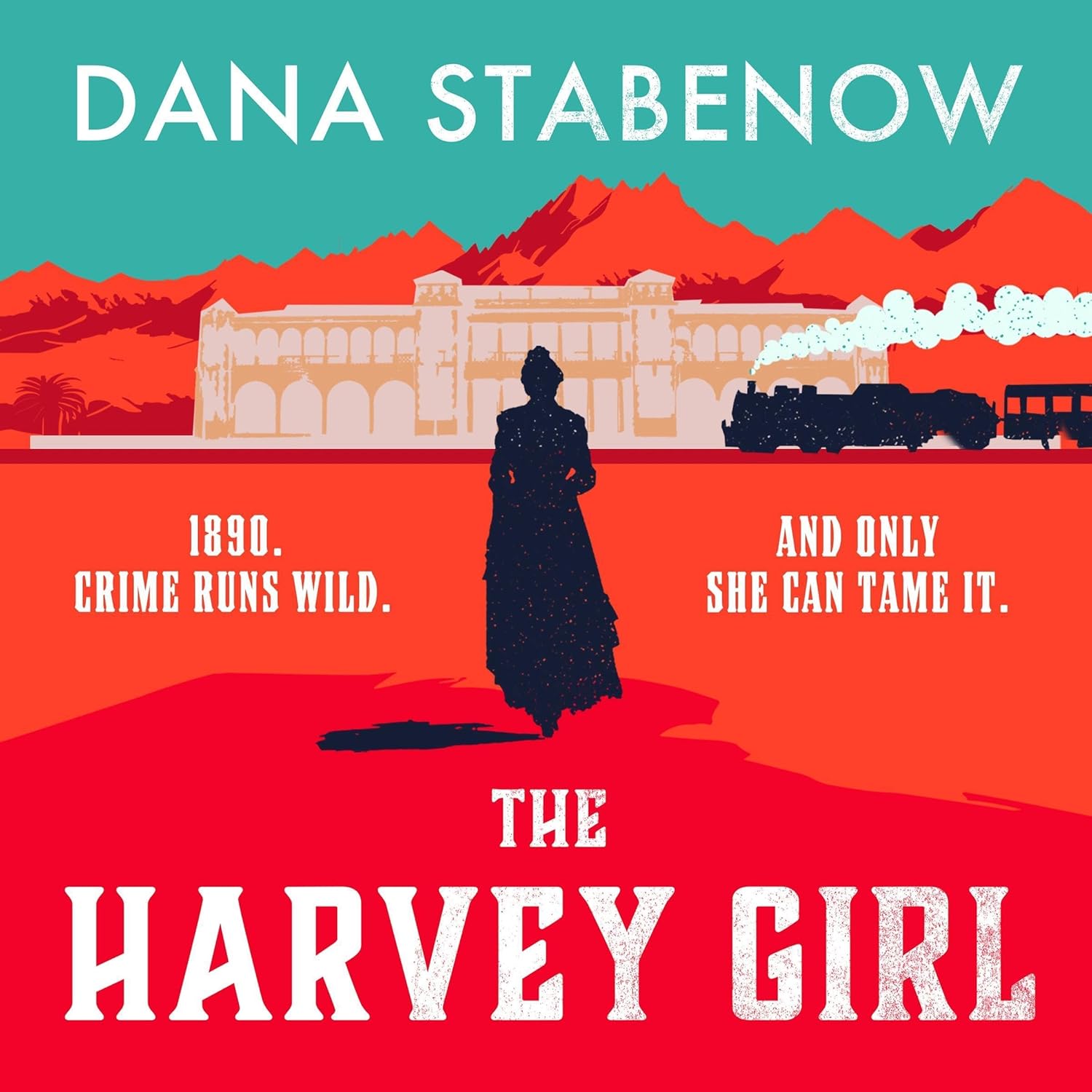
1890. The New Mexico Territory is a lawless frontier where criminals steal money and land alike with impunity. Everyone wears a six-gun and is ready and willing to draw it.
In the new city of Montaña Roja, Fred Harvey’s growing empire is threatened by the robberies plaguing his newest Harvey House restaurant. To get justice, he needs a skilled detective to go undercover and procure answers to questions the law will not ask.
The assignment falls to Clare Wright, a young Pinkerton agent. Disguised as one of Harvey’s famous hostesses, Clare travels west where she risks being exposed at every step of her investigation. To get answers – and to get out alive – there are only two things she can trust: her instincts, and her derringer.
Dana Stabenow’s Kate Shugak series is a favourite of mine, so I was excited to see that she’s started a new series. This one is historical fiction, a genre she’s written in before, both with her mystery series set in Ancient Egypt, which started with ‘Death of an Eye’ (2020) and with timelines from Alaskan history woven into the Kate Shugak series. I’m looking forward to seeing what she does with this period of American history. I’m expecting a strong female lead, a solid mystery and an unromantic presentation of life in 1890.
 Mike Finn's Fiction