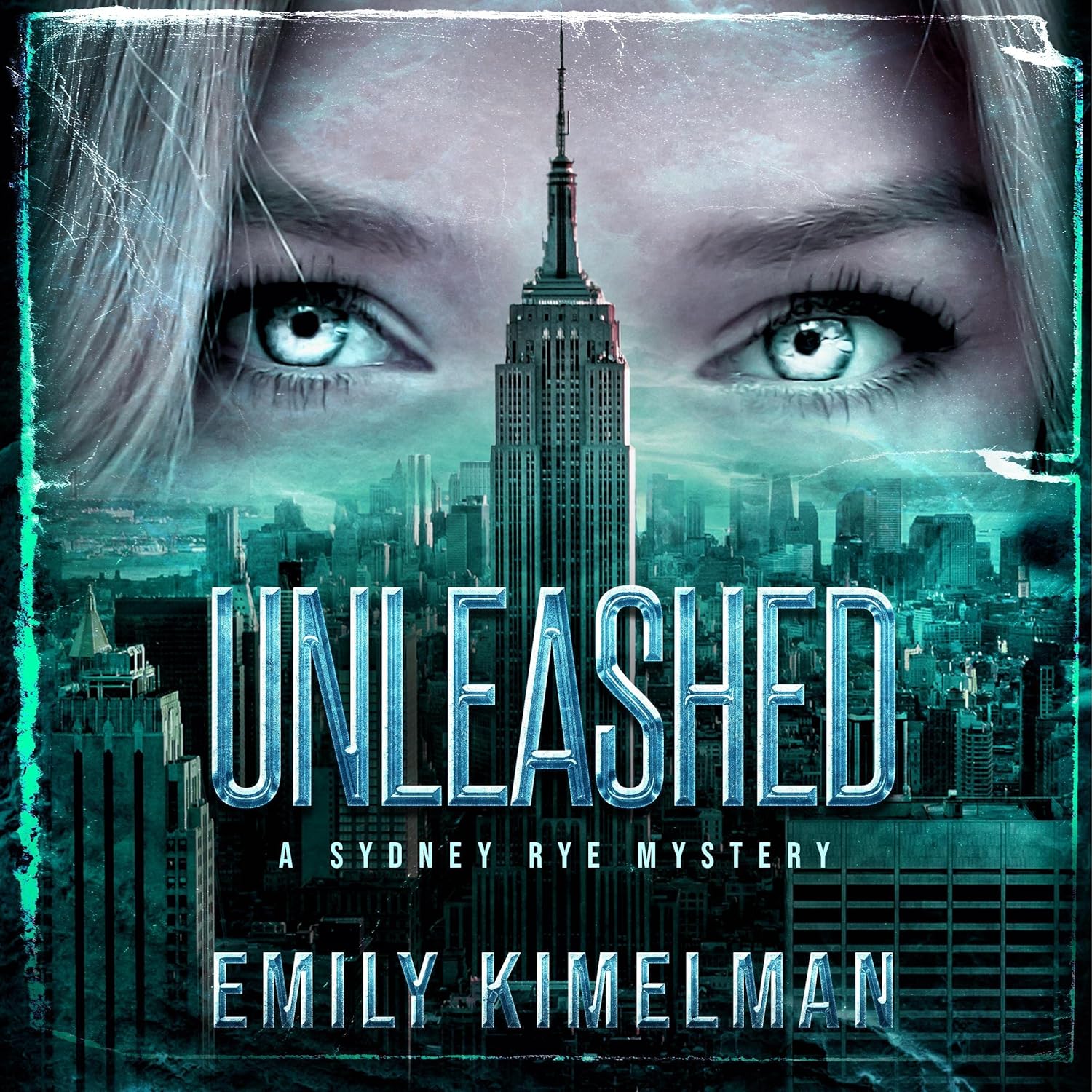
One of Joy Humbolt’s dog walking clients turns up dead and she begins to look into the crime, first out of curiosity and then out of anger. As she digs deep into the secrets of Manhattan’s elite, Joy gets too close to the killer with disastrous consequences.
This was an unusual reading experience for me. Earlier today, two-thirds of the way through the story, I decided to set this book aside because I felt the pace had flagged and the story wasn’t holding my attention. Then, during the course of the day, I found myself thinking, “I wonder how Joy Humbolt became Sydney Rye? I read more than half of the book, and I still don’t know the answer to that question.” It bugged me. I had a free afternoon. The sun was shining. So I dropped back into the book again.
I’m glad I did because, in the last third of the book, the story took off like a rocket. It wasn’t just that Emily Kimelman finally pressed the thriller button and got me turning the pages. It wasn’t even that suddenly, there was violence on the page, and people were dying. It was that all the time I’d spent getting to know Joy, understanding her relationships and her attitudes, gave the action scenes an emotional impact that was far bigger than I’d expected.
For the first half of the book, I wasn’t entirely sure what I was reading. The writing worked. I could see Joy and believe in her and the world she lived in. The dialogue between Joy and the other women, especially the other dog walkers, felt real. The strength of the relationship between Joy and her older brother was clear. The two of them sounded like people who’ve grown up together and depended on each other. The problem was with the nature of the story. It felt neither a mystery that I could get wrapped up in solving nor an I-have-to-turn-the-next-page thriller.
By the middle of the book, I was getting restless. The pace had started to feel too slow. I had very little insight into Joy’s inner life. I didn’t know what drove her to get more deeply involved in the mystery, even when she was given opportunities to extricate herself. I had no idea what her hopes and fears were. I realise now that this was partly because Joy didn’t know what she wanted and didn’t fully understand her own behaviour. When the plot took at turn that made it feel like I was reading ’Nancy Drew and the Secrets of the BDSM Club’, I began to lose interest.
So I set the book aside… just before the traumatic events that reshaped Joy Humbolt into a vengeance-seeking vigilante who would eventually (and for the remainder of the series) become known as Sydney Rye.
What I liked most about the final third of the book was how well Emily Kimelman managed to combine intense action scenes with scenes that showed the physical and emotional consequences of the action, giving them meaning. I enjoyed the scenes between Joy and her used-to-be-a-drunk-but-now-I’ve-accepted-Jesus-as-my-saviour mother as much as the semi-heist action scenes that rounded off the story.
Now I know who Sydney Rye is and what her origin story is, I’ll be back to find out what she does next in ‘Death In The Dark’.
 Mike Finn's Fiction