
I spent the part of the last week visiting friends on the Sussex coast. We were blessed with sunshine and with gardens in full bloom. I had a good audiobook to listen to on the long drive and a good ebook to read in the early mornings.
So, here’s what I’ve read and bought this week and what’s up next.
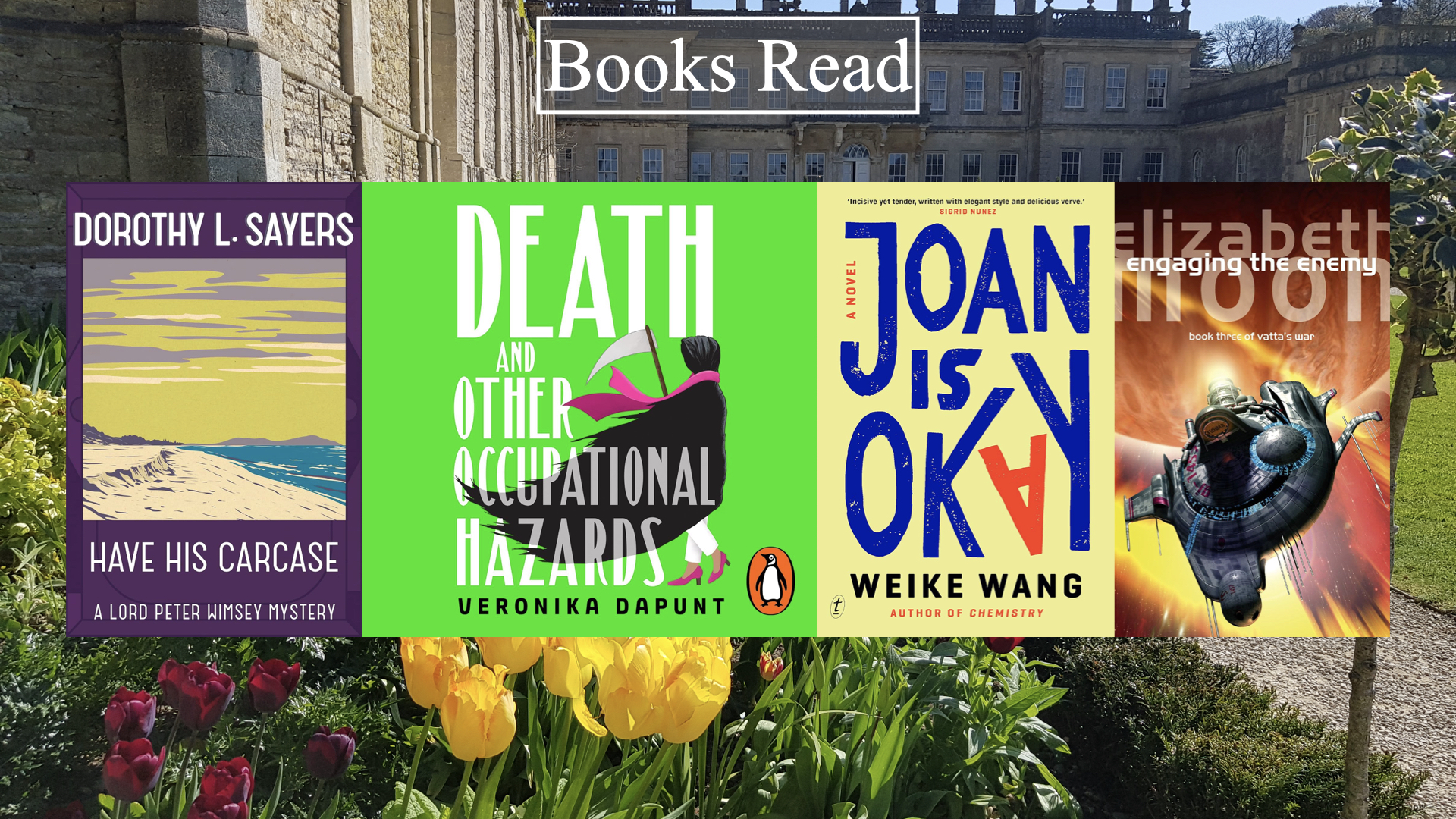
It’s been a fun reading week. The audiobook about the Grim Reaper taking a sabbatical and becoming tangled in investigating unplanned deaths was a delight to listen to in the car. The COVID novel was extraordinary: great writing and a protagonist I’ll remember for a long time. I gulped down the third book in the Vatta’s War series in just over a day. The only disappointment was finally having to accept that my Dorothy Sayers book was boring me and needed to be set aside.
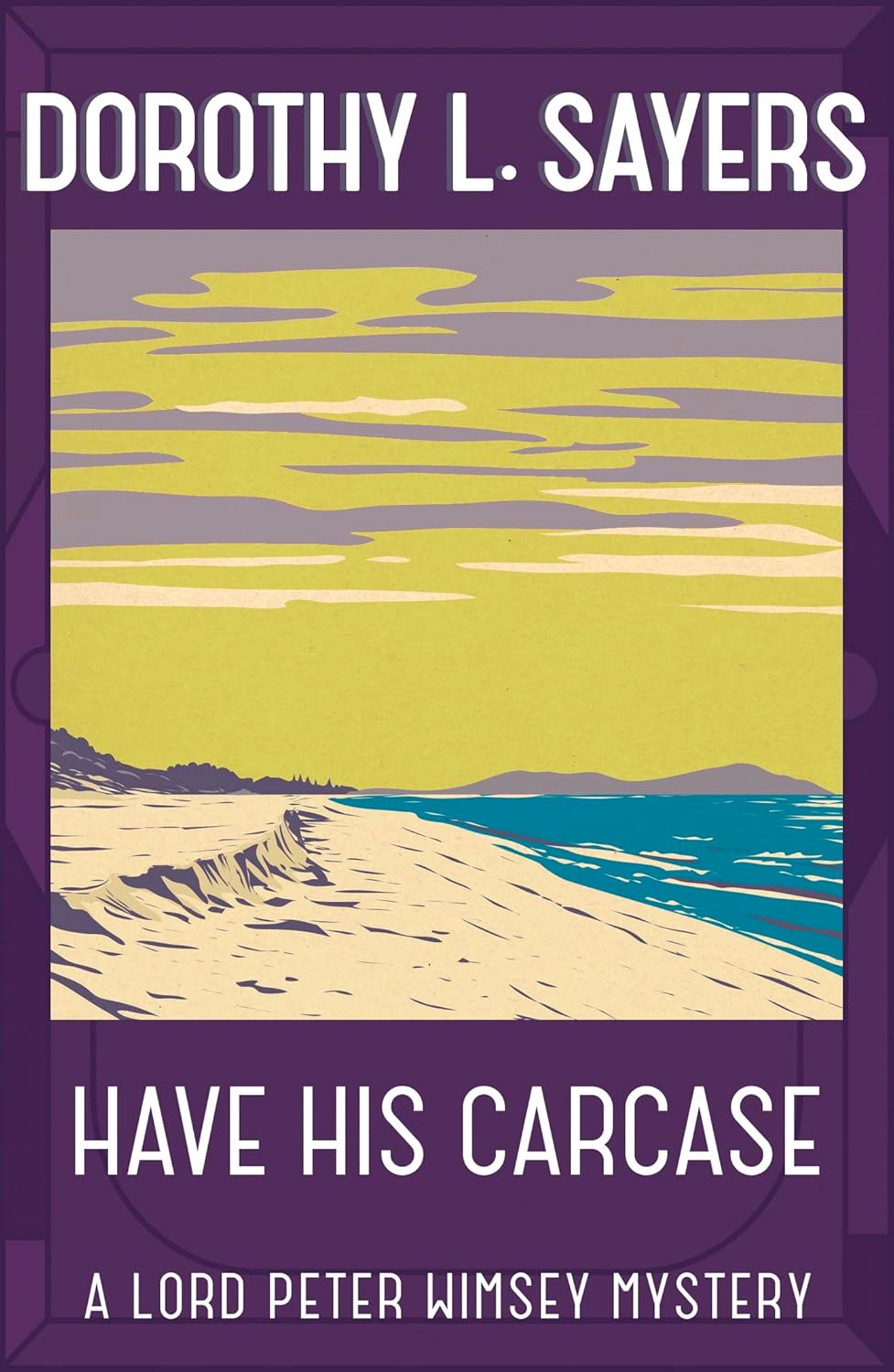
A young woman falls asleep on a deserted beach and wakes to discover the body of a man whose throat has been slashed from ear to ear . . .
The young woman is the celebrated detective novelist Harriet Vane, once again drawn against her will into a murder investigation in which she herself could be a suspect.
Lord Peter Wimsey is only too eager to help her clear her name.
‘Have His Carcase’ (1932) disappointed me. I never expected to set a Lord Peter Wimsey book aside, especially one with Harriet Vane in it, but after struggling through the book for almost four months and only reaching 38%, I had to admit to myself that finishing it had become a chore rather than a pleasure. The reality was that, most of the time, this book bored me.
My review is HERE
I haven’t given up on Harriet Vane. I’ll meet her again when I read ‘Busman’s Honeymoon’ later this year.
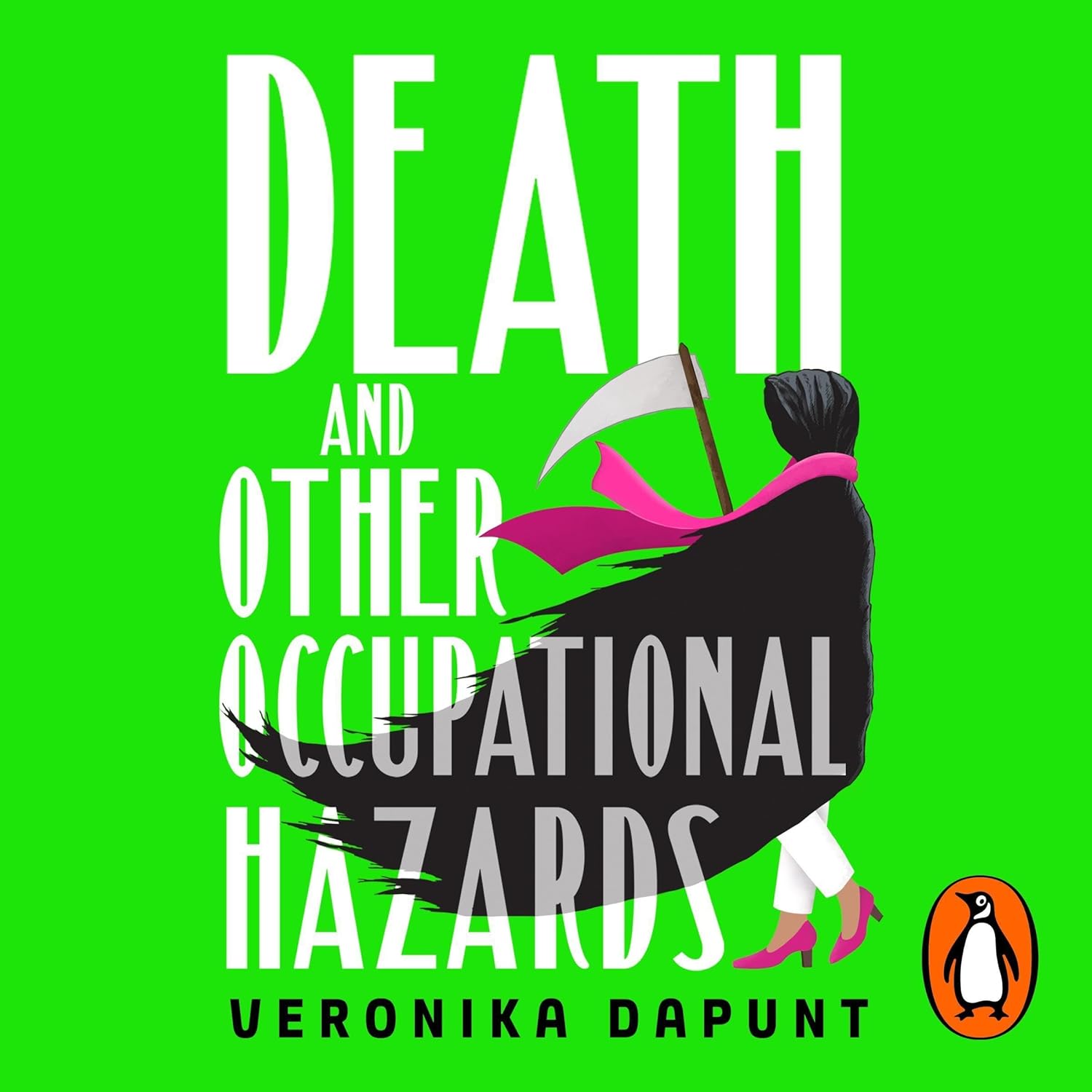
People have a few ideas about Death, and the worst by far is a skeleton in a black potato sack. If she’s lucky, she gets a scythe. The truth: she’s just a woman doing a job and she’s very good at it.
Until she takes time off to live as a human and everything falls apart. Someone’s killing people not on her schedule (well, not yet anyway) and with no thanks to the Temp she left in charge, it’s up to her to make things right.
With the help of her oh-so-sanctimonious sister, Life, and a charming (sexy) parasitologist, Death must stop the killer before it’s too late. But that’s if she can defeat her greatest challenge yet: human bureaucracy.
‘Death and Other Occupational Hazards’ (2025) felt like a risk when I bought it. A debut novel with high concept fantasy based partly on Judeo-Christian mythology, with a murder mystery at its heart and humour on its tongue, was either going to be awful or great. Fortunately for me, this fell clearly into the great category. The story was both more serious and funnier than I’d expected. The plot kept me engaged. The humour made me smile, but would probably get the book banned in any American State where Christian Fundamentalists do book-banning as a hobby. The ending worked, but caught me off guard by being more philosophical than I’d expected. It also helped that I loved the narrator. Giving tho Human Communications Director (a.k.a. Jesus) the voice of an Australian surfer was an inspired choice.
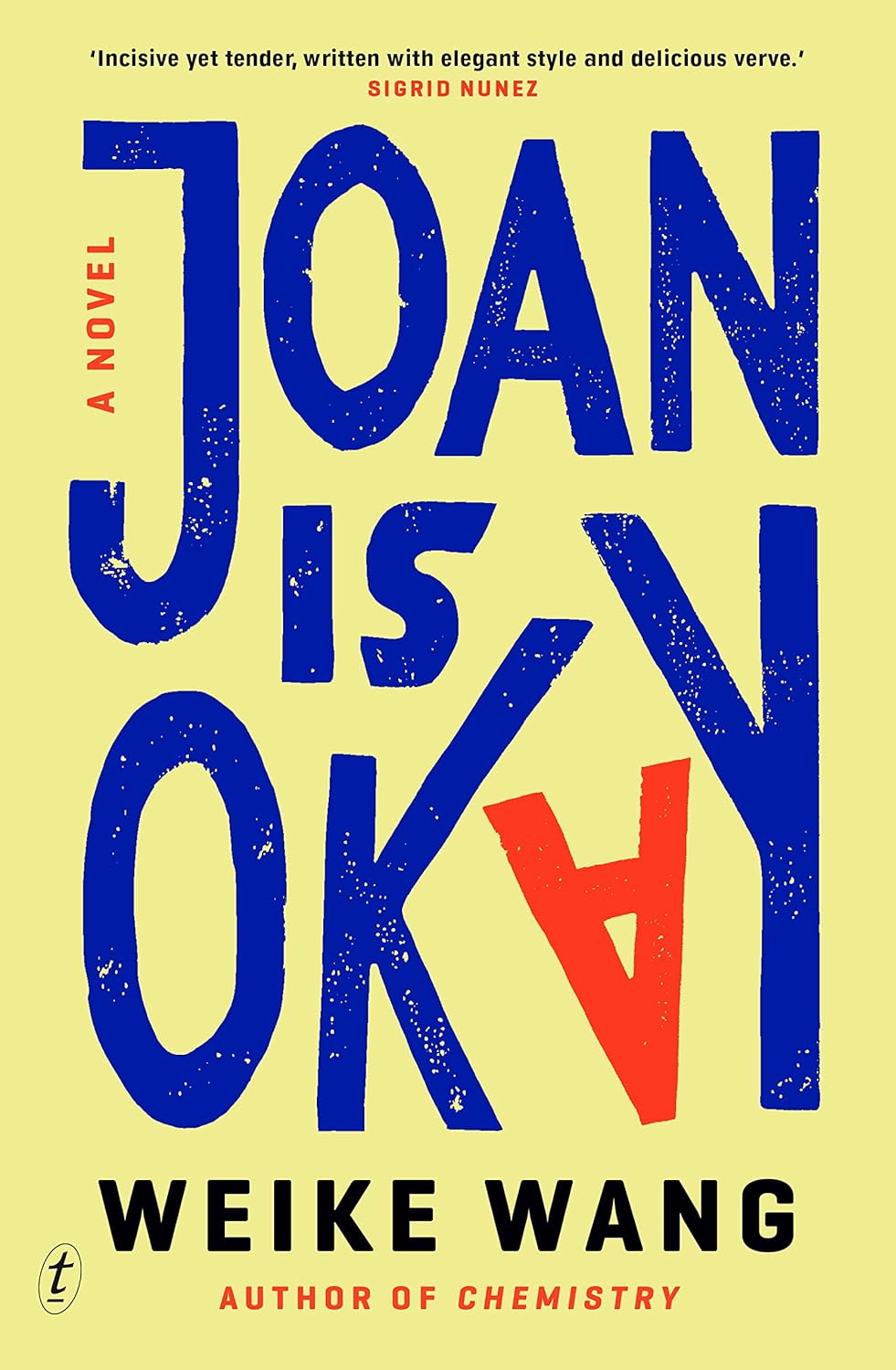
Joan is a thirty-something ICU doctor at a busy New York City hospital. She is intensely devoted to her work and happily solitary, but she sometimes wonders where her true roots lie: at the hospital, where her white coat makes her feel needed, or with her family, who try to shape her life according to their cultural and social expectations.
After moving to the United States to secure the American dream for their children, Joan’s parents have returned to China, hoping to spend the rest of their lives in their homeland now that Joan and her brother are well established in their careers.
But when her father suddenly dies, a series of events sends Joan spiralling out of her comfort zone, forcing her to consider her life anew.
I find it much harder to say why an exceptionally good book is exceptionally good than I do to say why an unsatisfying book is unsatisfying, but I know an exceptional book when I read one; my whole body reacts to it, my emotions flare, ideas spark, the need to read more wars with a reluctance to finish.
Joan Is Okay is an exceptional book. Read it and you’ll quickly see why. Joan isn’t just Okay, she’s remarkable. I loved spending time in her head.
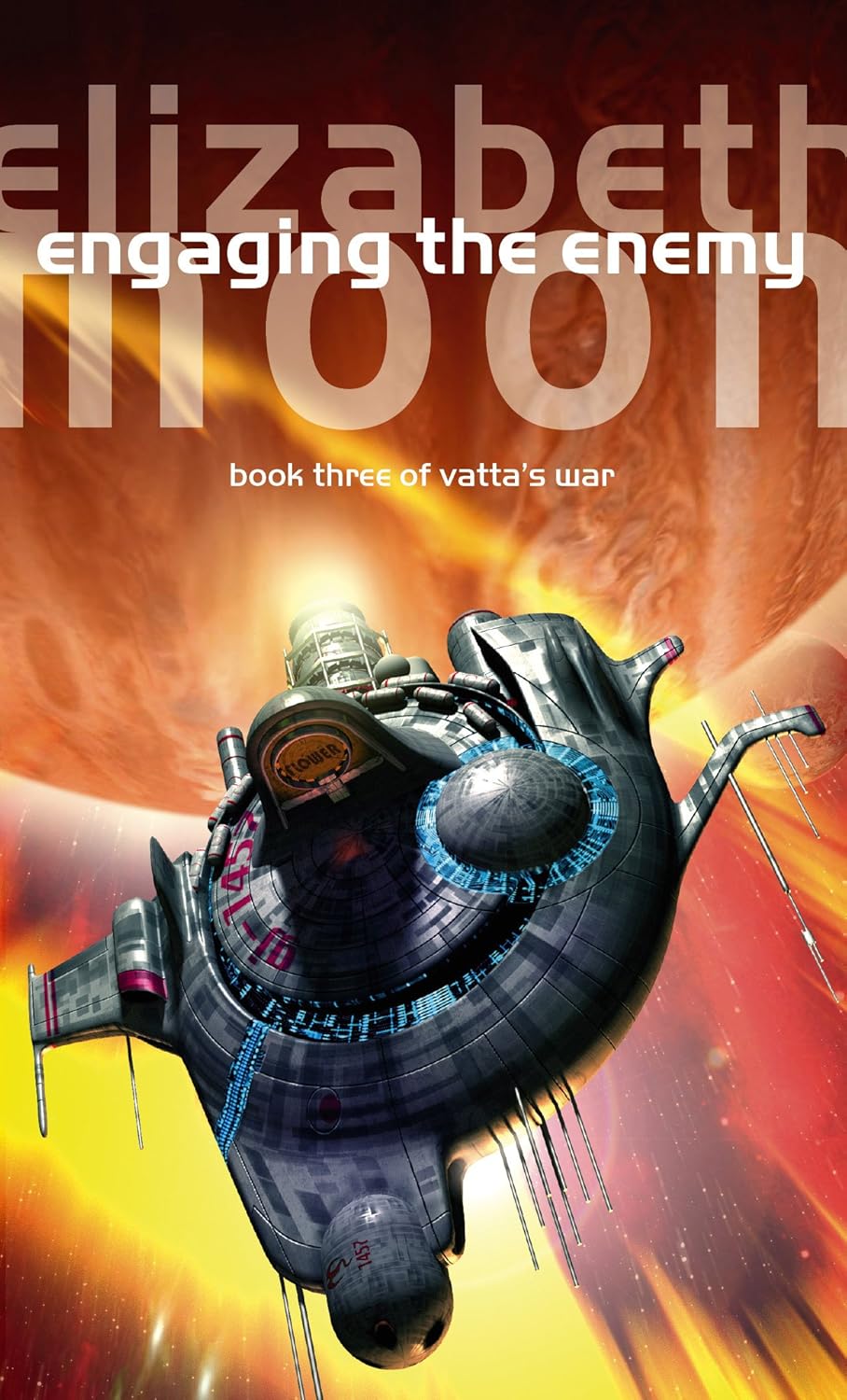
Kylara Vatta has had to leave a glowing future as a military cadet far behind, and now carves out a living in the brutal cut-throat world of interplanetary trading. Her chosen way of life is tough but rewarding and she thinks she is more than capable of holding her own.
That is, until a threat emerges that nobody could have forseen . . .
‘‘Engaging The Enemy’ (2006) is the reason this post is going out at almost midnight. It was too exciting to put down, so the post got delayed for a couple of hours while I raced to the end of the book.
This is the third book in a five-book story arc. Like its predecessors, the pace was fast, the action was often intense, and the story was exciting. I gulped it down in just over a day, and I’m eager to read more.
I liked that the book wasn’t all about Ky. I enjoyed the time spent with her cousin, Stella and with her lethal-beneath-the-batty-old-lady-camouflage great aunt.
I love how well imagined Ky’s universe is. Elizabeth Moon spends her imagination as lavishly on languages, customs, and culture-specific clothing as she does on weaponry, the tactics of space battles, and the failings of corrupt politicians.

I bought five books this week: a collection ofparanormal short stories, a cosy mystery, an historical crime novel, a bookish book about grieving, and a Science Fiction thriller.
I preordered’Paranormal Payback‘ (2026), edited by Jim Butcher and Kerrie Hughes, because I enjoyed the ‘Shadowed Souls’ anthology that they published ten years ago. Some of the authors are the same. If the overall quality is as good, I’m in for some fun reads.
’The Widow’s Guide To Murder’ (2025) by Amanda Ashby is the first book in a cosy mystery series that is now five books long. Written by an Australian-born author who is a long-term New Zealand resident, it’s set in a small village in Lancashire, England. The main character is a newly widowed woman in her sixties, who quickly acquires a cadre of three other widows, all of whom get involved in amateur sleuthing. The first book has a library, a black cat and, of course, a murder. If this is as good as I hope it is, then I have a new series to follow (just what the groaning virtual TBR shelves need).
Frances Crawford’s debut novel, ’A Bed, Bad Place’ (2026), is a murder mystery set in Glasgow in 1979. It calls to me because it’s written from the point of view of Janey Devine, a young girl from the Glasgow slums who finds herself at the centre of a lot of unwanted attention after she stumbles across the body of a murdered woman. From the sample, it sounded like Frances Crawford has done a good job of getting Janey’s voice right. I’m hoping for a solid mystery with a convincing period feel and an engaging protagonist.
At first glance, Libby Page’s’This Book Made Me Think Of You’ (2026) sounded a little too much like a Hallmark Movie for me. I bought it because it’s about grief and books and hope, and I’m hoping it will have an emotional impact similar to Stephanie Butland’s ‘Letters To My Husband’ or her ‘Lost For Words’
I enjoyed Veronica Henry’s short story ’The Candles Are Burning’, so when I saw that her latest book, ’The People’s Library’ (2026) was a science ficition thrilller involving the ethical challenges of AI, AND that it was on sale, I snapped it up.
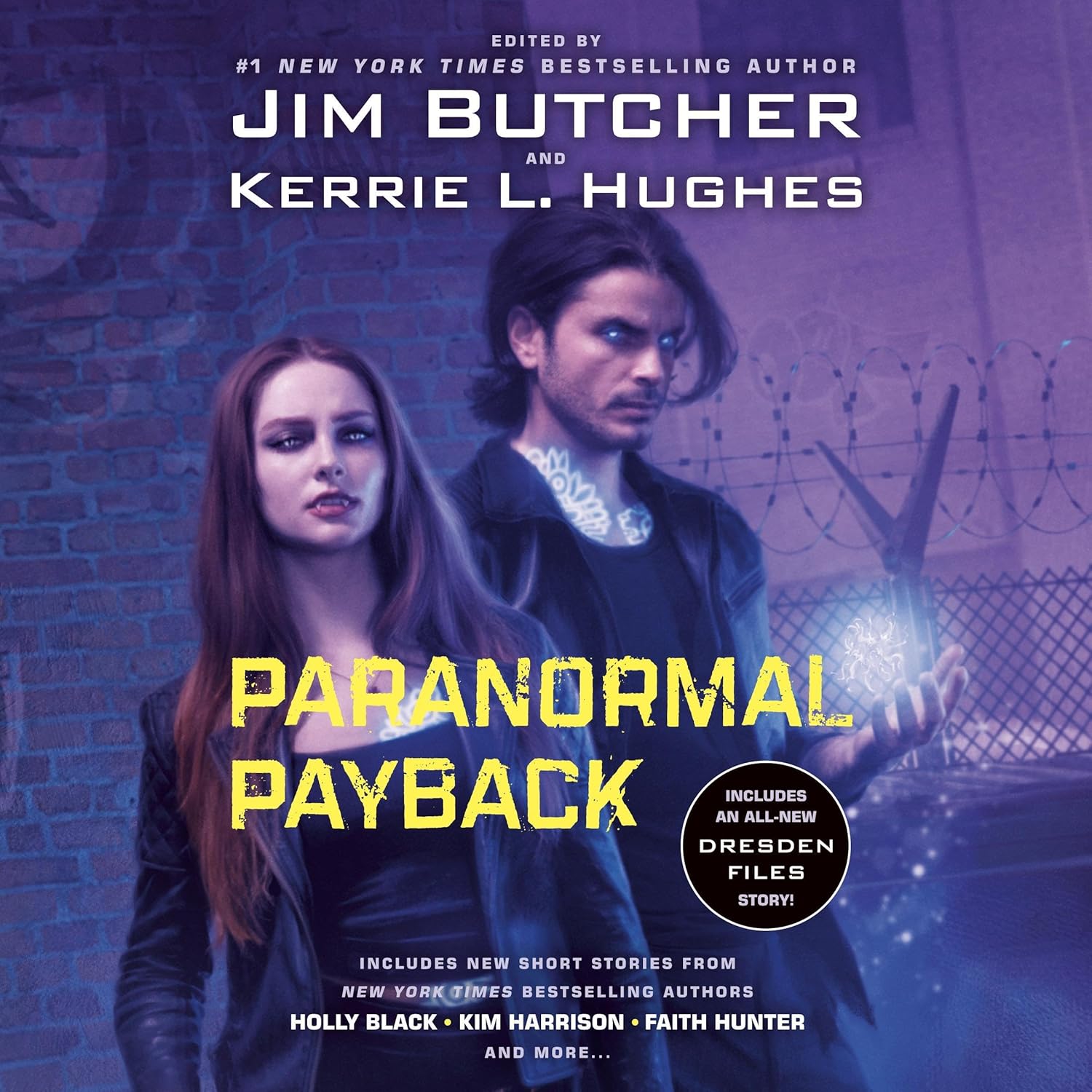
In this short story collection, our heroes get what’s due to them—with a supernatural flair.
But the injustices that have been holding them back might cost them more than they realized. . . .
Featuring stories from Jim Butcher, Holly Black, Kim Harrison, Faith Hunter, Jennifer Blackstream, Maurice Broaddus, Delilah S. Dawson, Kevin Hearne, Tanya Huff, Kerrie L. Hughes, R. L. King, R.R. Virdi
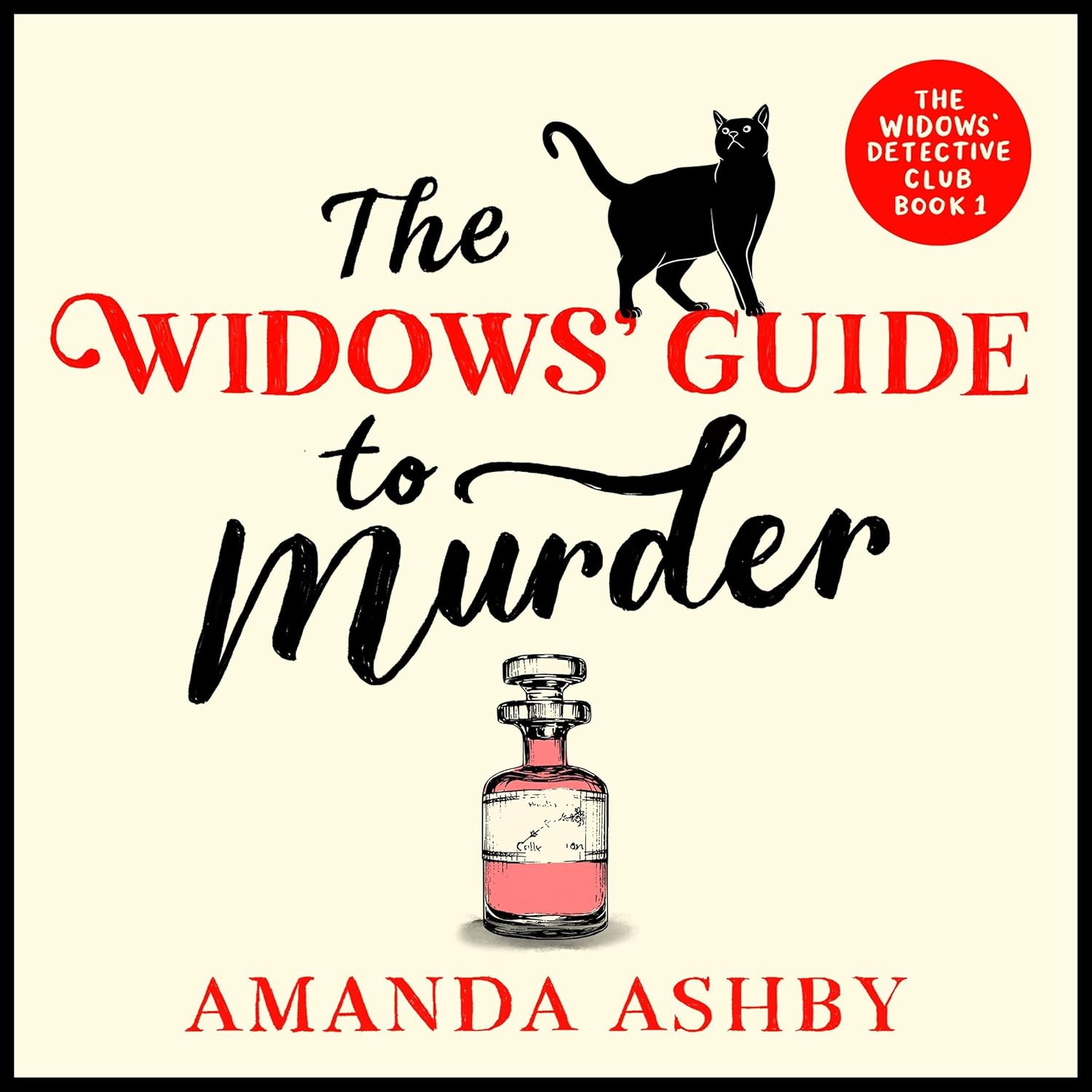
Sixty-year-old widow Ginny Cole thought she’d used up her life quota of bad luck. So she’s dismayed when her move to the quaint village of Little Shaw begins with finding the murdered body of rude and dislikeable library manager, Louisa Farnsworth. Has misfortune followed her cross-country?
When suspicion falls on the daughter of her friend Hen, because of a perfectly innocent threatening letter, Ginny’s sure the police are letting the real killer walk free, and together with fellow widows JM, Tuppence, she’s determined to find the truth.
Between following the trail of local gossip, digging up graveyards at midnight, and discovering dark secrets about the village’s past, sleuthing seems simple enough. But when another body is found, Ginny starts to wonder, are they in over their heads?
And when the widows’ snooping puts Ginny too close for the killer’s comfort, will her new life in Little Shaw end as dramatically as it began…?
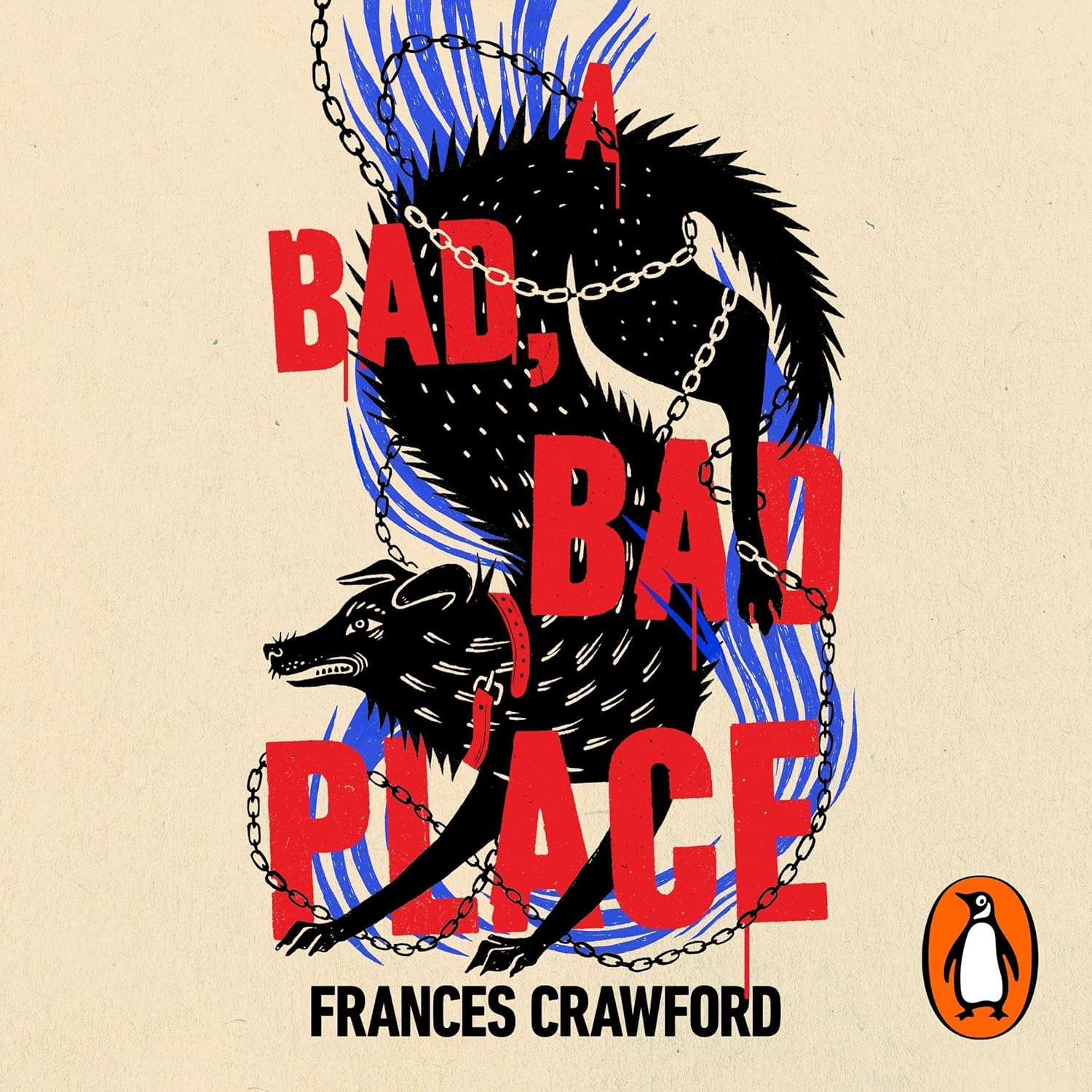
Glasgow, 1979.
Twelve-year-old Janey won’t take her dog, Sid Vicious, for a walk. Not anymore. It’s Sid’s fault she found the murdered woman.
Janey claims she can’t remember what she saw at the abandoned railway, but the police think she’s hiding something. And they’re not the only ones interested.
Fear and rumour rip through the tight-knit community of Possilpark. Janey and her nana, Maggie, are dragged into the hunt for a murderer. And Maggie’s struggle to keep her beloved granddaughter safe becomes ever more desperate.
Because Janey’s memories can’t stay hidden forever.
And neither can the killer…
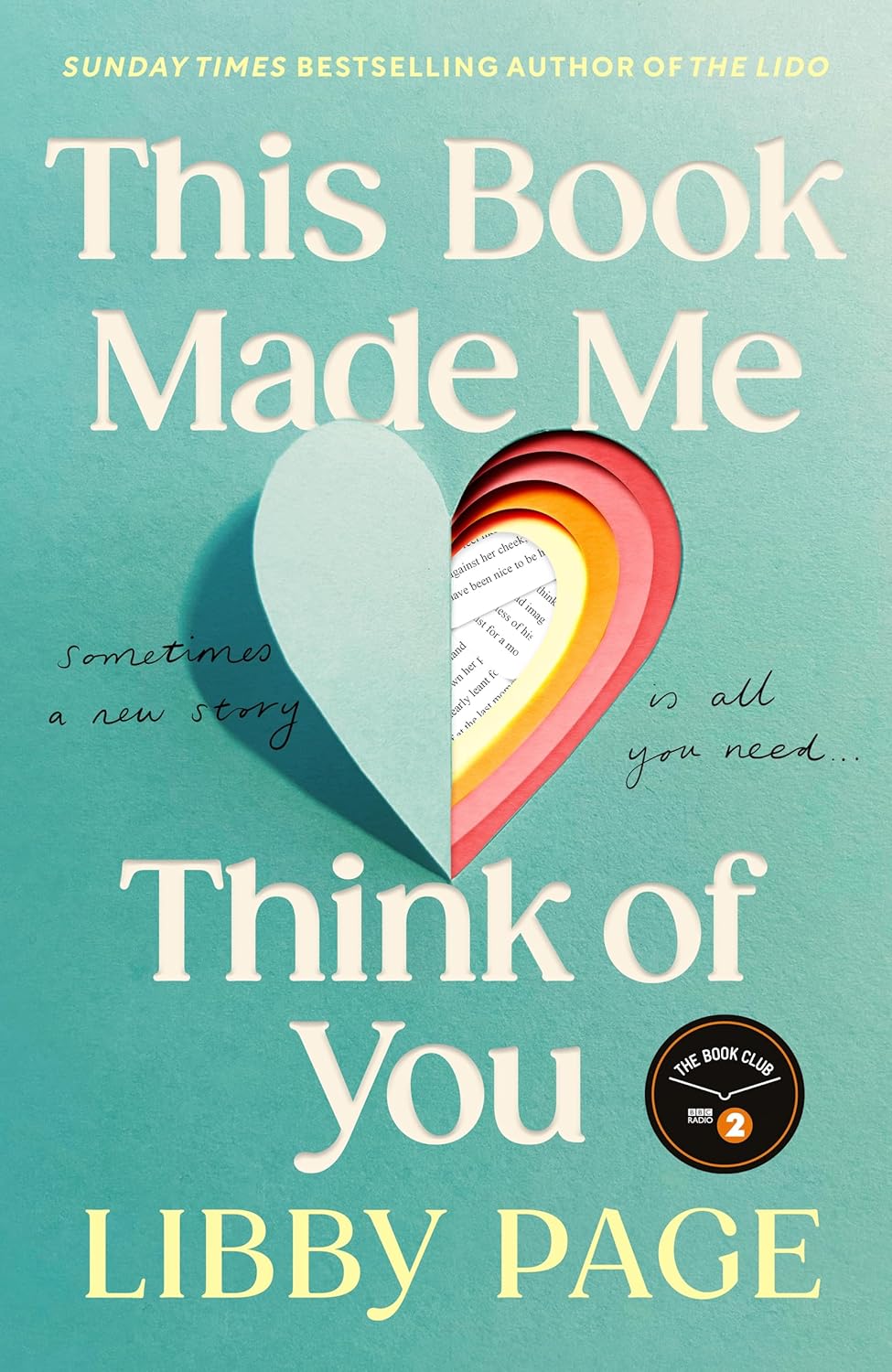
Twelve stories. Twelve months. One chance to heal her heart…
When Tilly Nightingale receives a call telling her there’s a birthday gift from her husband waiting for her at her local bookshop, it couldn’t come as more of a shock. Partly, because she can’t remember the last time she read a book for pleasure. Mainly, because Joe died five months ago…
The gift is simple – twelve carefully chosen books from Joe, one for each month, to help her turn the page on her first year without him.
And so begins a reading-inspired journey that takes Tilly around the world; from bustling sidewalks in New York and the tree-lined avenues of Paris to the tranquil Tuscan countryside and the white sands of Bali. With the help of the bookshop owner, Alfie, Tilly starts to discover who she is now, after Joe.
But can Tilly’s year of books show her how to love again?
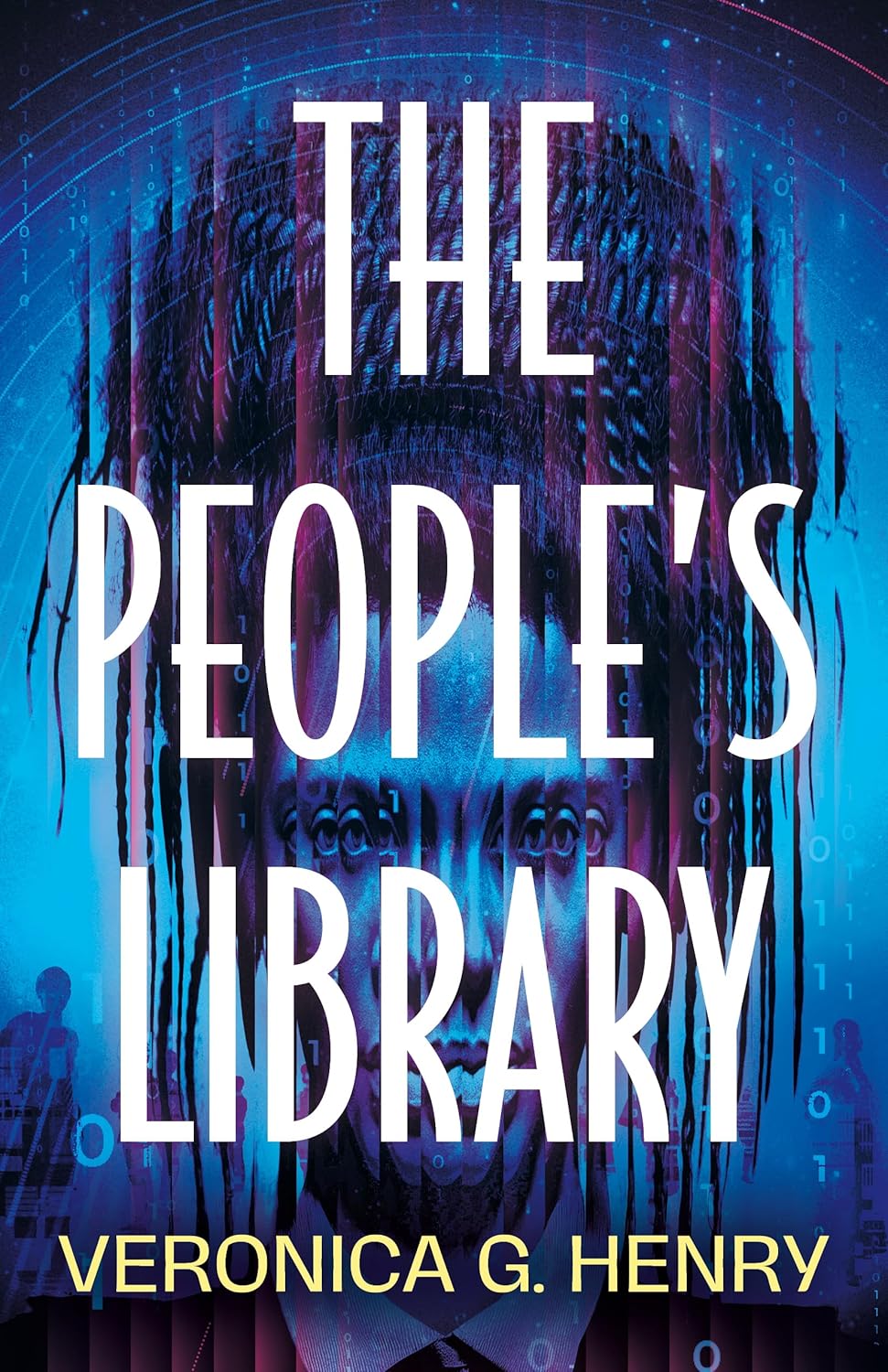
Echo London never wanted to be the curator of the People’s Library, a digital collection of human consciousness. But when she’s assigned as its head librarian, Echo is entrusted with humanity’s greatest minds and historical figures, all of whom have been recreated through controversial consciousness-capturing technology that lets visitors interact with the dead.
But an anti-tech rebellion is stirring. When a rebel attack results in tragedy, a mysterious woman wearing an ancient death mask leaves behind cryptic final words for Echo: It all begins with nothing. Caught between the resistance and a potentially virtual evolution, Echo begins to fear that there’s more to her job than meets the eye and the mind. There are secrets here. And the People’s Library may be less of a promise of things to come than a warning of the danger that lurks beneath the surface. Now the fate of humanity lies in uncovering the truth.
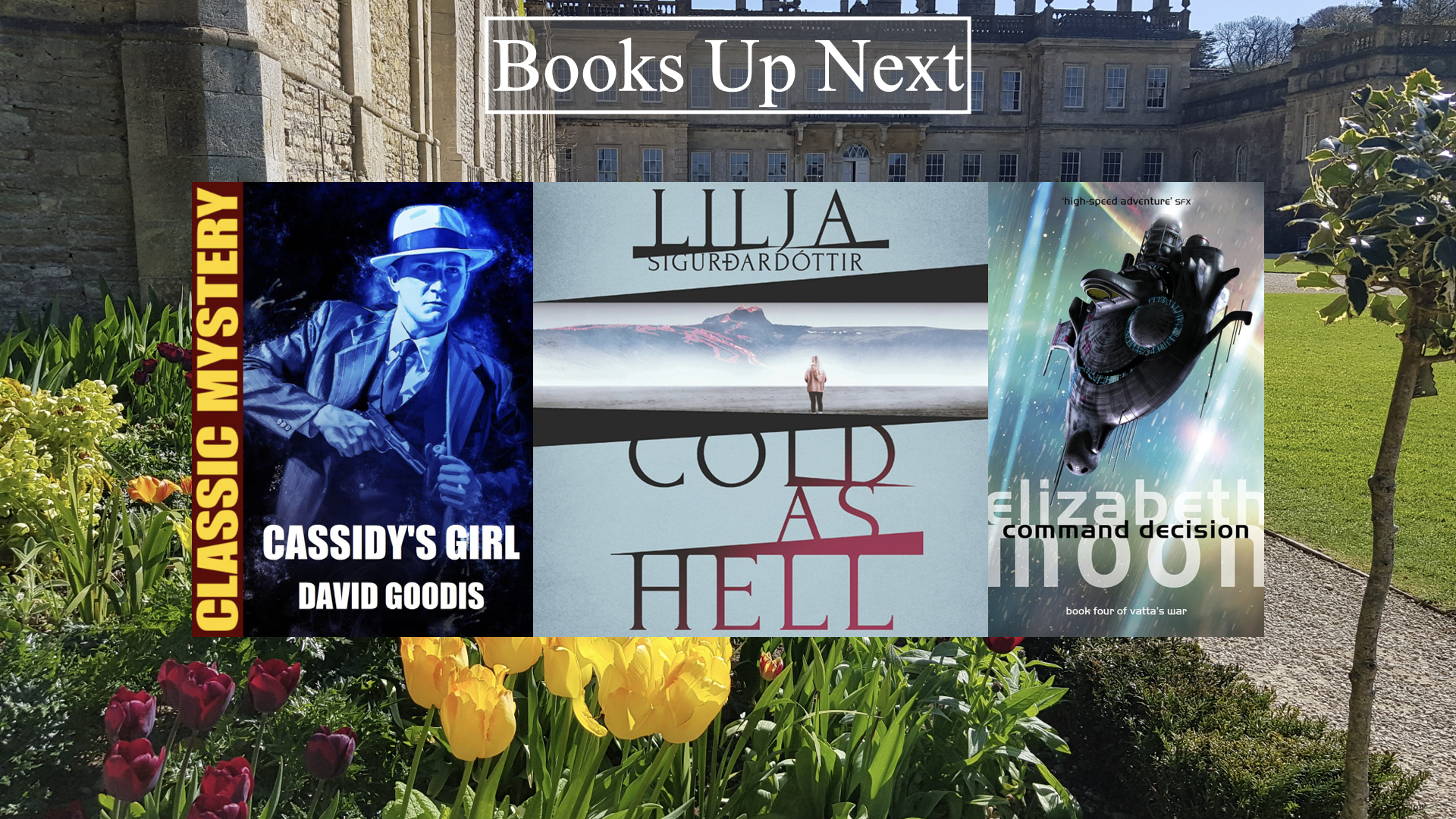
This week, I’m reading a 1950s American Noir novel, the firat book in a Nordic Noir series set in Iceland, and the fourth book in Elizabeth Moon’s Space Opera Vatta’s War.
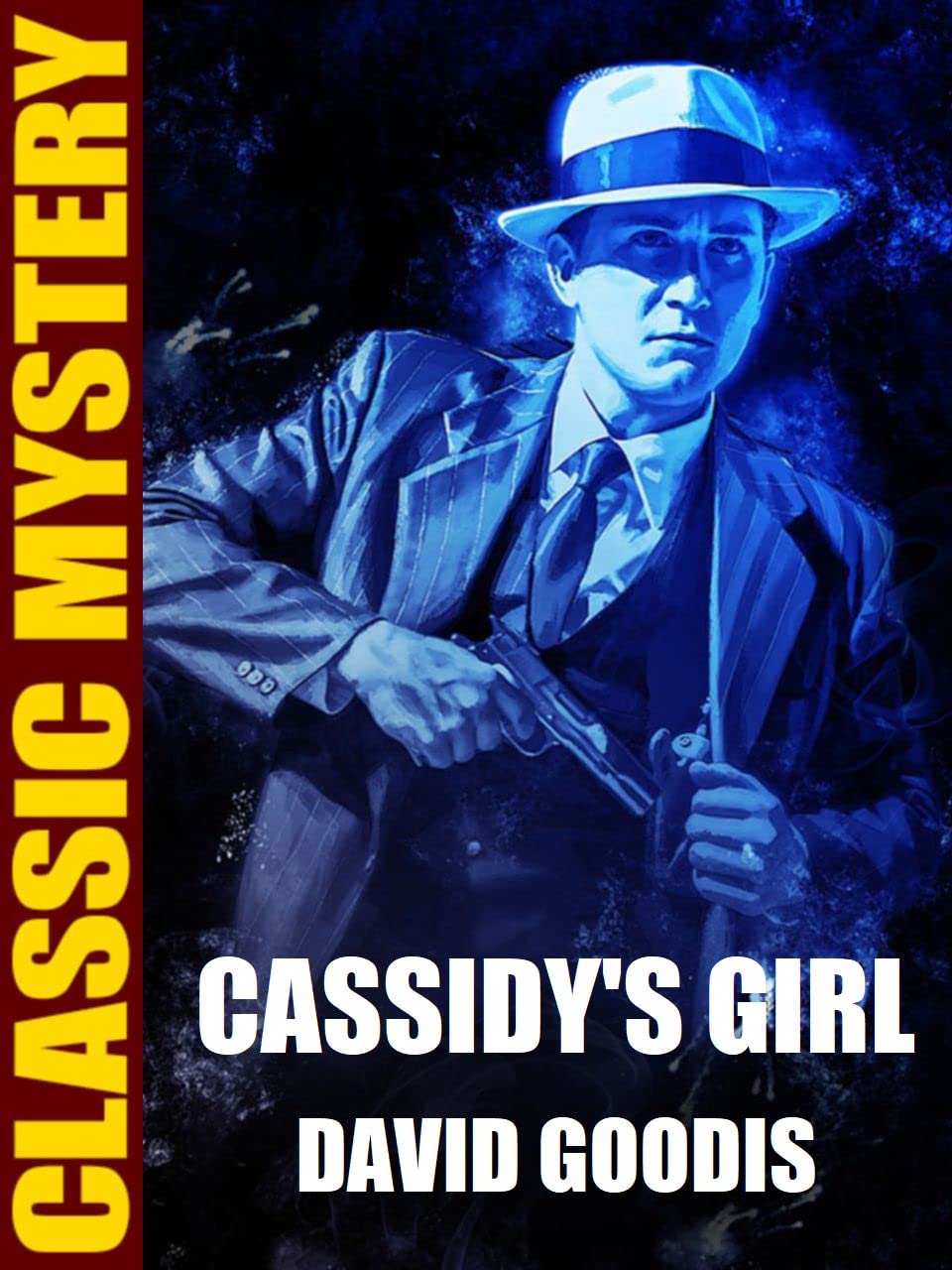
David Goodis (1917–1967) was an American crime fiction writer noted for his noir novels and short stories. His 1951 novel CASSIDY’S GIRL draws on his life in Philadelphia, where he prowled the underside of city life, frequenting nightclubs and seedy bars. He translated his experiences into a string of dark crime novels. CASSIDY’S GIRL sold more than a million copies upon its release.
I’m reading Stephen King’s novel, ‘Rose Madder’. In one chapter, Rose is asked to read aloud from an old paperback book. The book was written by David Goodis, an author I’d never heard of. I know that Stephen King is a fan of hard-boiled crime, and I trust his tastes, so I researched his back catalogue and decided that ‘Cassidy’s Girl’ would be a good place to start. I’ve already read the first quarter of the book. It’s grim, depressing and written in prose that is hard to turn my head away from.
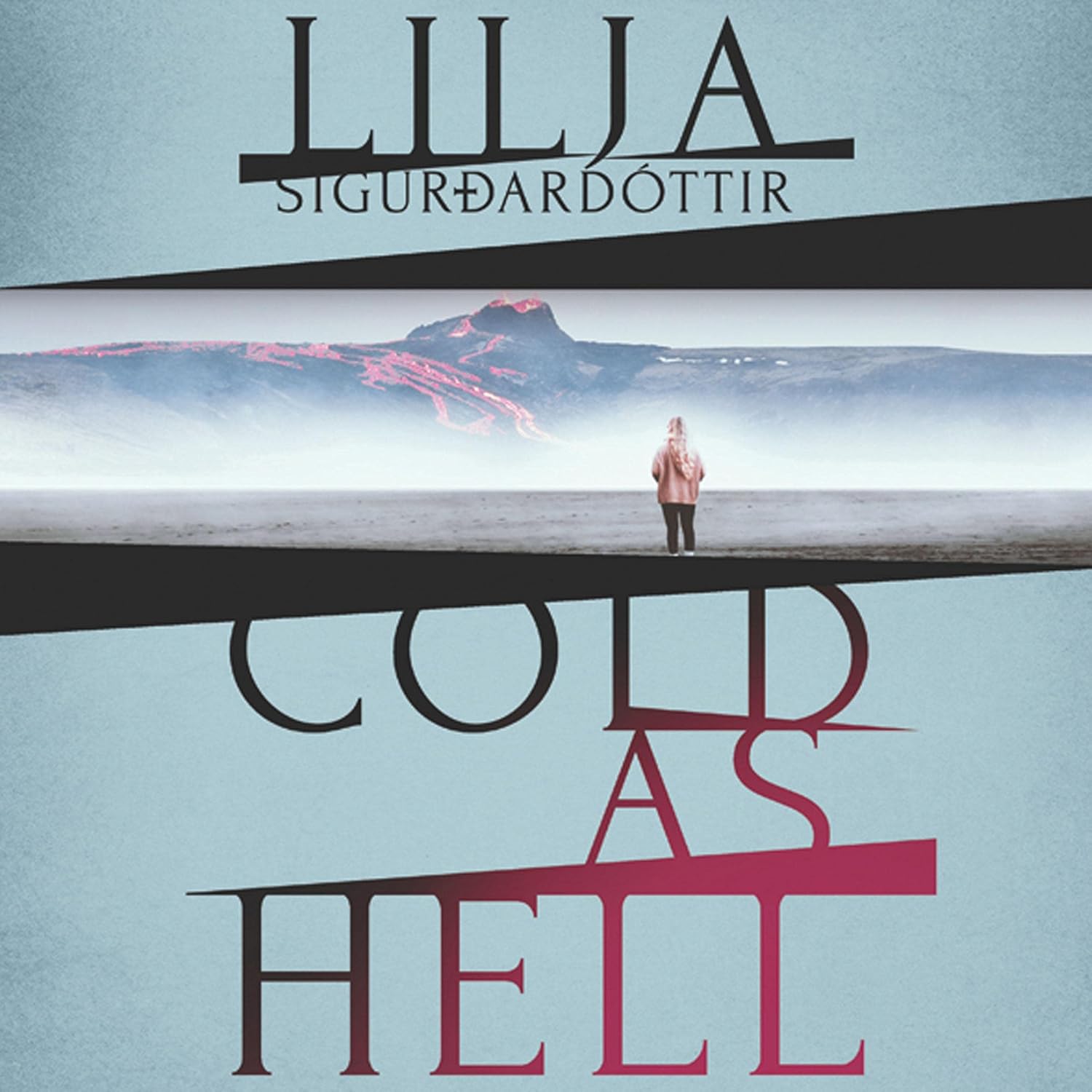
Icelandic sisters Áróra and Ísafold live in different countries and aren‘t on speaking terms, but when their mother loses contact with Ísafold, Áróra reluctantly returns to Iceland to find her sister. But she soon realises that her sister isn’t avoiding her…she has disappeared.
As she confronts Ísafold’s abusive, drug-dealing boyfriend Björn and begins to probe her sister’s reclusive neighbours, Áróra is led into an ever-darker web of intrigue and manipulation. Baffled by the conflicting details of her sister’s life and blinded by the shivering bright midnight sun of the Icelandic summer, Áróra enlists the help of police officer Daníel, as she tries to track her sister’s movements and begins to tail Björn – but she isn’t the only one watching….
‘Cold As Hell’ is the first book in the Áróra Investigations series of Icelandic mysteries. Five of them have been published so far, although, at the moment, only the first four have been translated into English. I’m hoping that this will be another series for me to follow.
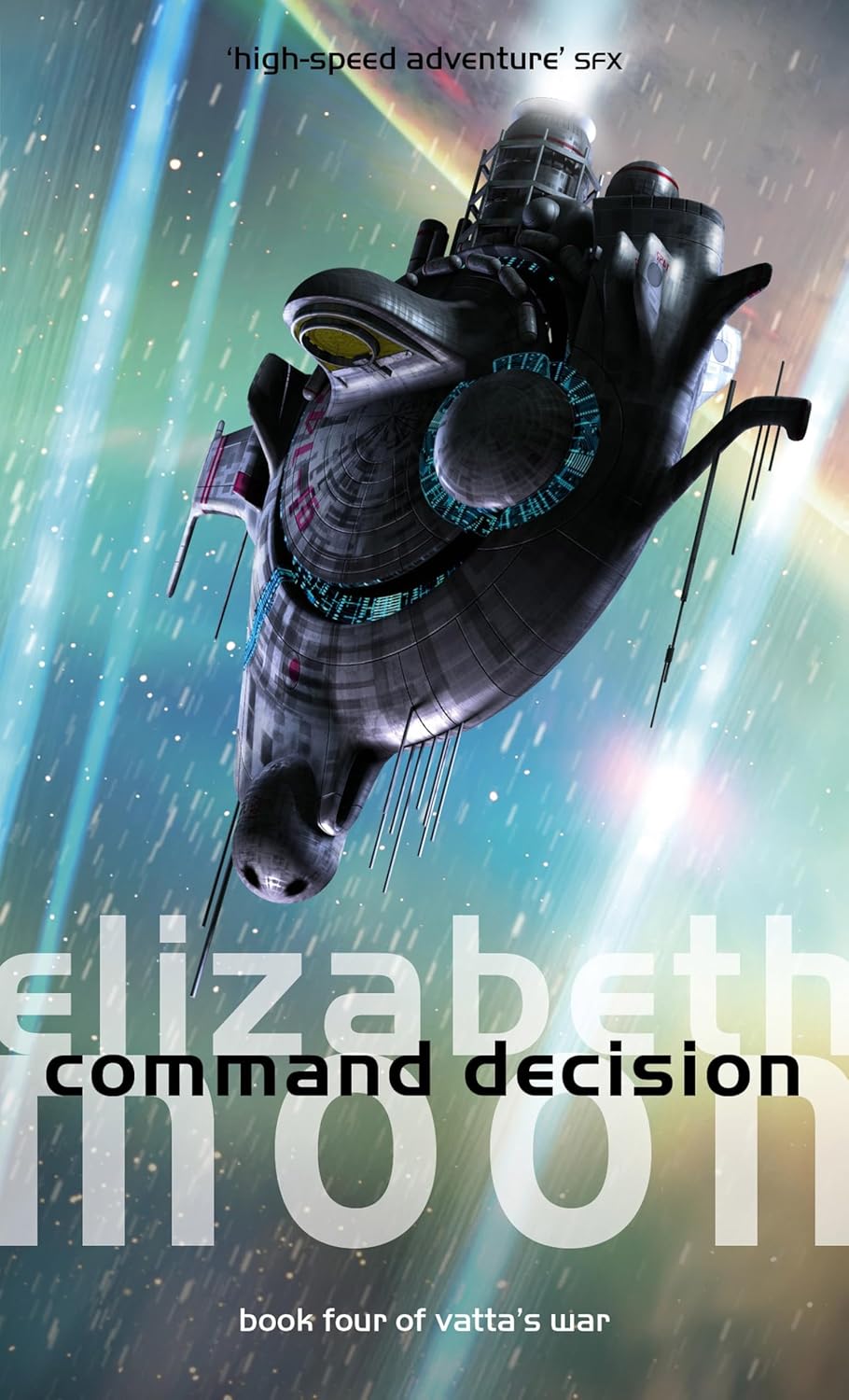
Kylara had to leave a bright future as a military cadet, and was thrown into the brutal world of off-world trading. This subsequent career in the family business was tough: marked by war, mutiny and attempted assassination. But then her home was attacked and her parents killed – their trading empire left in ruins. Now she must save what is left of the family and the business, with few friends and too few assets. She must make full use of her hard-won experience to not just survive, but to restore the shattered fortunes of the Vatta family and their allies.
Now, Kylara Vatta, space-trader and sometime privateer, has destined herself for a dangerous and unpredictable future. She will muster an interplanetary taskforce and forge them into a lethal weapon: one that the pirates who destroyed her family will never forget …
I found the first three books in Elizabeth Moon’s five-book Vatta’s War series so entertaining that I’m struggling to ration myself to one book a week. The five books form a single story arc, and I’m really keen to see what Ky Vatta does next.

