The sun is still shining in clear blue skies that could belong to summer, except the days are colder and shorter, and the onset of evening feels like a release, an acceptance of the inevitability of Autumn and the long winter that will follow. Halloween is five weeks away. It’s time to put summer clothes away, cook heartier meals and find snug, warm places to read my Halloween Bingo books.
Anyway, here’s what I read and bought this week and what’s coming up next.
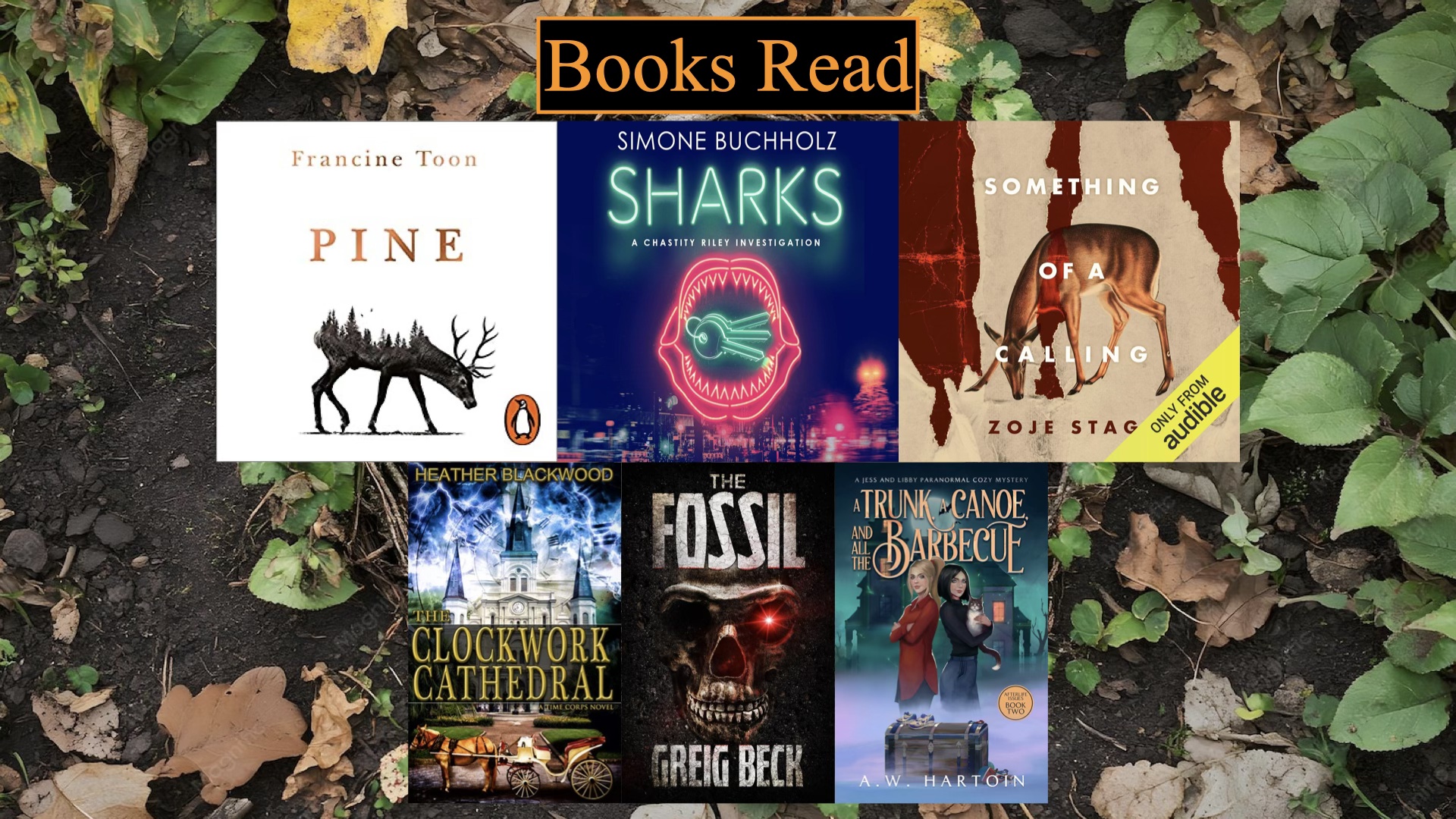
I read six books this week: a slow burn horror set in the Hiighlands of Scotland, a German crime novel about too murdered Americans in Hamburg, a beautifully written piece of Speculative Fiction dressed as a Police Procedural, a timeslip novel set in New Orleans that I set aside, a time travel thriller with an unusual twist, and a surprisingly upbeat ghost story.

Lauren and her father Niall live alone in the Highlands, in a small village surrounded by pine forest. When a woman stumbles out onto the road one Halloween night, Niall drives her back to their house in his pickup. In the morning, she’s gone.
In a community where daughters rebel, men quietly rage, and drinking is a means of forgetting, mysteries like these are not out of the ordinary. The trapper found hanging with the dead animals for two weeks. Locked doors and stone circles. The disappearance of Lauren’s mother a decade ago.
Lauren looks for answers in her tarot cards, hoping she might one day be able to read her father’s turbulent mind. Neighbours know more than they let on, but when local teenager Ann-Marie goes missing it’s no longer clear who she can trust.
Had it not been for the quality of the writing and the skill of the narration, I might have given up on ‘Pine’. It wasn’t so much a slow-burn horror as a smoulder. It had the kind of pace I associate more with Wilkie Collins than Stephen King.
But the writing was hard to look away from. It was vivid without being melodramatic. The people, broken and loss-ridden though they were, felt real. The sense of place – remote, desolate, intimately familiar to those who lived there and yet far from tame.
When I relaxed into the spirit of the book, I came to enjoy its ambiguities and the constant uncertainty of what is real and what is imagined, what happened, what has been hidden, and what remains a threat. The permeability of the boundary between the mundane and the supernatural was created by a finely balanced tension between the perception of evil committed but not held accountable and love lost, but still longed for and grieved over.
In Wilhelmsburg, Hamburg’s so-called ‘problem area’, an American couple is found brutally murdered in a derelict villa.
Prosecutor Chastity Riley is assigned the case, and quickly finds herself waist-deep in a murky tangle of city planners, shady investors and vanishing officials. The gentrification machine is rolling on, and someone is sending a very clear message.
As November fog settles over the city, Chastity is coughing up blood, her personal life is a slow-motion disaster, and her former colleague, Faller, won’t stop interfering. But nothing’s going to stop her from cutting through the lies – not even the sharks circling ever closer.
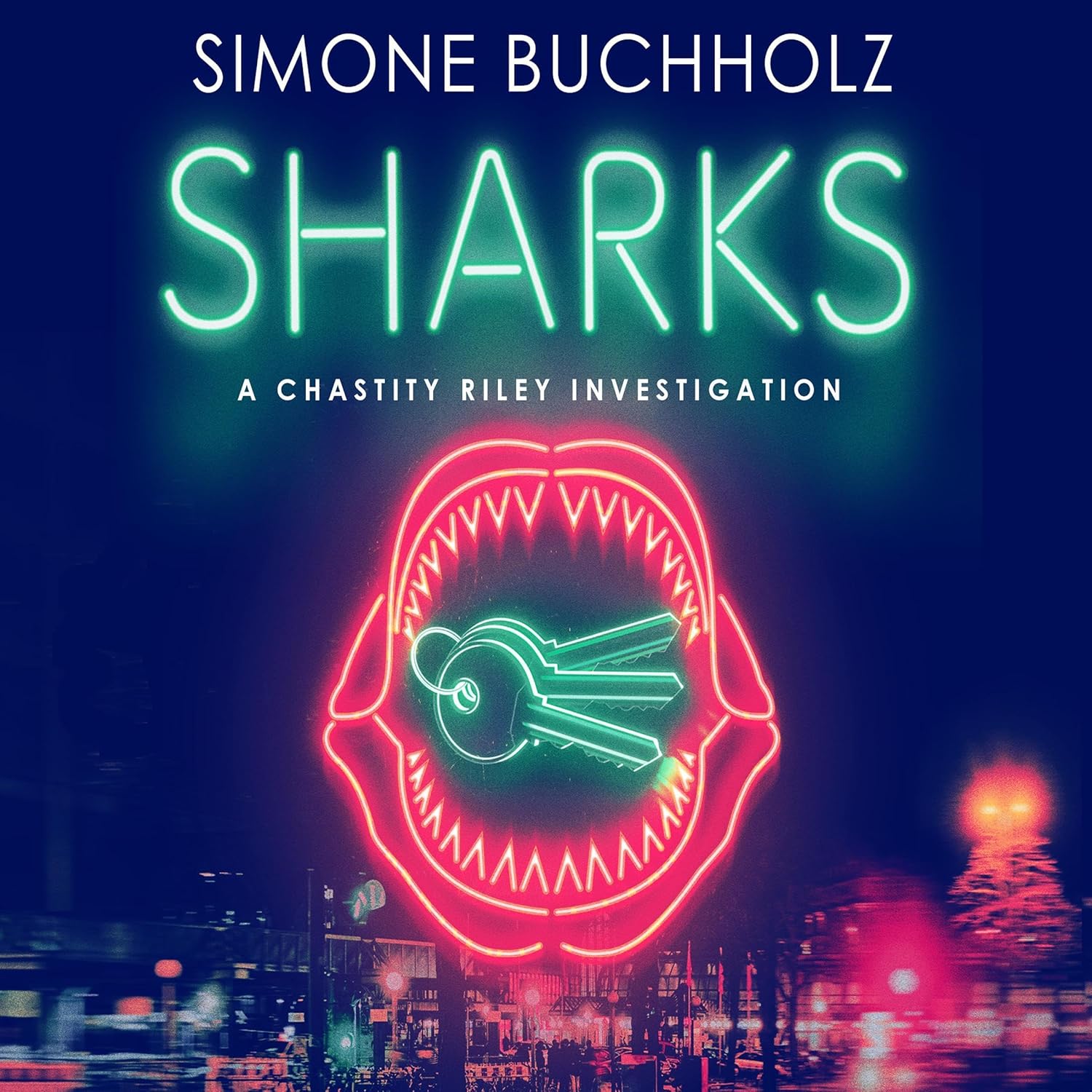
The Chas Riley Rebooted series gets better with each novel. I think this series has a unique take on crime fiction.’Sharks’ was a complete immersion in Chastity’s world. Her love for her city, her relationships with her friends and colleagues, and even her reaction to fog rolling over the city were as important as the mechanics of solving the crime she was supervising the investigation of.

Detective Andy Cooper is about to retire. She isn’t sure what’s next … perhaps traveling in the RV she has yet to buy, with a dog she doesn’t currently own. Perhaps gardening near the ever-shrinking patch of woods behind her house—once the cable company’s backhoe is removed.
She’ll need to do something, if only to distract herself from how empty her life has become. After the murder of her young daughter by a drunk driver. After the divorce. After the realization that all she has is her job and that she’s about to lose that, too.
Everything changes when bodies begin to turn up. Murdered, but how? Not by knife, gun, or any obvious weapon. Instead: teeth marks. Chunks missing. Like they’d been chewed on. And not by humans.
As she’s struggling to solve her final case, an unexpected new friendship seems like just what Andy needs. Where she is detached from life, Fiona embraces it. Where she is a homebody, Fiona roams. Yet the women are drawn together by a shared love of nature and wildlife. Until Andy learns the dark truth behind Fiona’s smile. A secret that threatens to unravel the world as she knows it.
Bram Stoker Award winner, Zoke Stage’s latest novel, ‘Something of a Calling‘ (2026), isn’t horror, it’s speculative fiction at its best
Her intent isn’t to frighten or repulse, but to engender empathy, consider the possibilities and costs of change, and reflect on what each of us is willing to take responsibility for.
The story is initially structured as a police procedural, focused on extraordinary events seen through the eyes of a days-from-retirement police detective whose life is in a period of transition that challenges her to consider who she is and who she wants to be.
My review is HERE.
Medical student Felicia Sanchez is only trying to help an injured man when she slips through a time rip and into 19th century New Orleans, one very different than the one she knows from history books.
The only person who can get her home is Professor Seamus Connor, a former convict seeking a quiet life of obscurity. But even the “mad Irishman” knows that recreating a freak accident is next to impossible.
With the help of a local street urchin, they discover that their problems run deeper than solely getting Felicia back to her own time. The three of them must unravel the secrets of a steam engine that operates upon a scientific impossibility and the mysteries of a grand cathedral at the center of town, where clockwork automatons perform for rapt audiences.
But can a convict, a guttersnipe and an accidental time traveler prevent the destruction of a city and the death of thousands? Others are watching, and Felicia may not be the only time traveler in New Orleans.
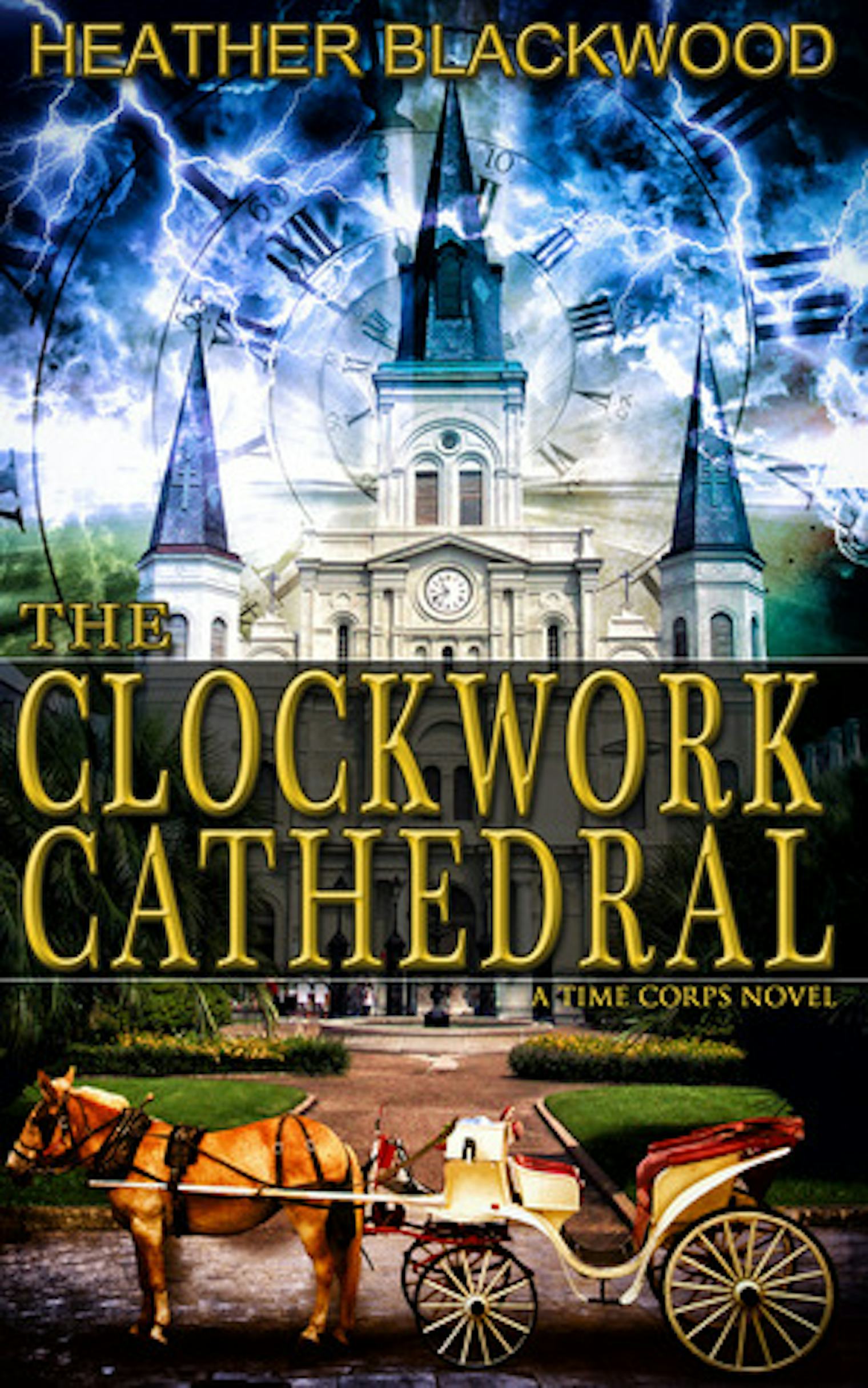
I enjoyed Heather Blackwood’s steampunk novel ‘Hounds of Autumn‘ (2013), so when I needed a time-travel novel for Halloween Bingo, I picked ‘The Clockwork Cathedral‘ (2013), the first book in her five-book Time Corps series.
I set the book aside at 31% because it wasn’t holding my attention. I suspect that was as much about me as it was about the book. I just wasn’t in the mood for a book with a nice, optimistic heroine intent on doing the right thing. The setup of the time slip and the nature of the alternative historic America that our heroine, Felicia Sanchez, was stranded in were interesting, but the characters were too much like concepts or archetypes to be engaging. Felicia seemed to me to be implausibly naive for a brown-skinned woman who, even in her own time, was working in a profession dominated by entitled white men. I felt like I was reading Dickens turned into speculative fiction.

Klaus and Doris have just made the discovery of their lives – a complete Neanderthal skeleton buried in a newly opened sinkhole. But on removing it, something else tumbles free. Something that switches on, and then calls home.
Soon the owners are coming back, and nothing will stop their ruthless search for their lost prize.
Gruesome corpses begin to pile up, and Detective Ed Heisner of the Berlin Police is assigned to a case like nothing he has ever experienced before in his life. Heisner must stay one step ahead of a group of secretive Special Forces soldiers also tracking the strange device, while trying to find an unearthly group of killers that are torturing, burning, and obliterating their victims all the way across the city.
‘The Fossil’ (2019) was my next attempt at a time-travel novel. It was an unusual mix of techno-thriller, police procedural and science fiction, all delivered at full throttle and with lots of testosterone-fueled violence. I liked the pace, the twist about who the time travellers were and the muscular prose. I also liked that, underneath all the macho violence, was the sense that the author was smiling slightly disdainfully at the shot-first-and-you-won’t-need-to-ask-questions-later folks on both sides of this conflict.
Jess and Libby’s side hustle is becoming a full-time job.
Ghosts are everywhere in St. Sebastian, and it turns out houses aren’t the only things that get haunted. Little Jelena Blazevic has an invisible companion, a lady who started out friendly and is becoming something else entirely. The crying. The sleepless nights. The strange fixations that nobody can explain.
Jelena isn’t scared. Her parents absolutely are.
Jess and Libby take the case and find it considerably more complicated than expected. The ghost is in distress — that much is obvious. What she can’t do is explain why. And whatever is driving her grief is escalating, which means Jess and Libby need answers fast.
Did something terrible happen in the Blazevic house? Is the secret buried in the ghost’s past? Or is it something else entirely — something that connects more than one family’s history in ways nobody saw coming?
With their own kids in tow and no shortage of ghosts willing to weigh in along the way, Jess and Libby are about to risk everything to untangle a mystery that runs deeper than anyone suspected.
The truth they’re uncovering stretches far beyond St. Sebastian. A little girl’s invisible friend was just the tip of the iceberg.
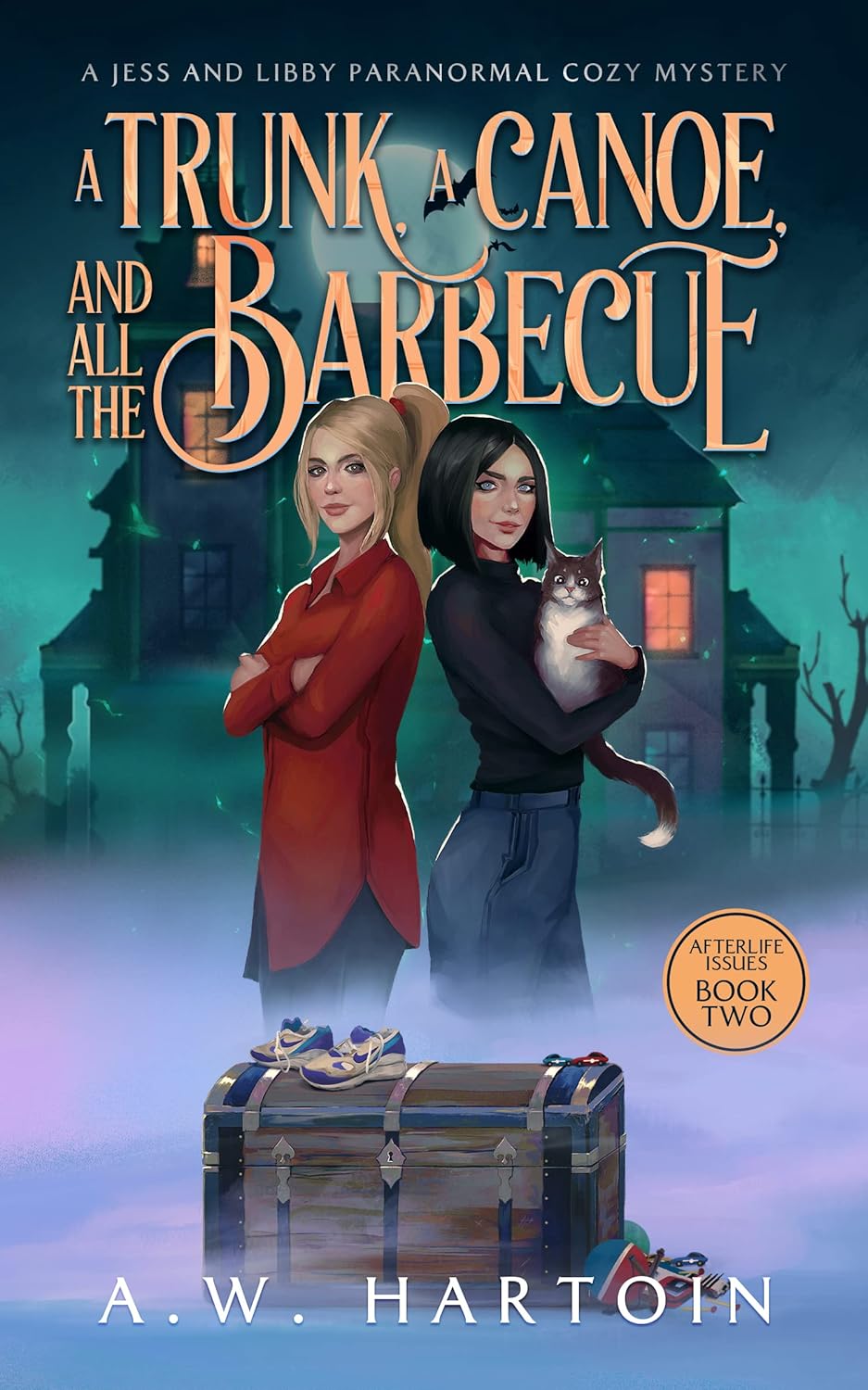
A Trunk, a Canoe and all the Barbecue” (2023) is the second book in the Afterlife Issues cosy supernatural mystery series. I enjoyed it just as much as the first book, ‘Dead Companions‘. It was a good comfort read. It has a stronger plot than the first book, but what I liked most about it was that, despite being about ghosts, violent deaths, betrayals and murders, it managed to be wonderfully hopeful.
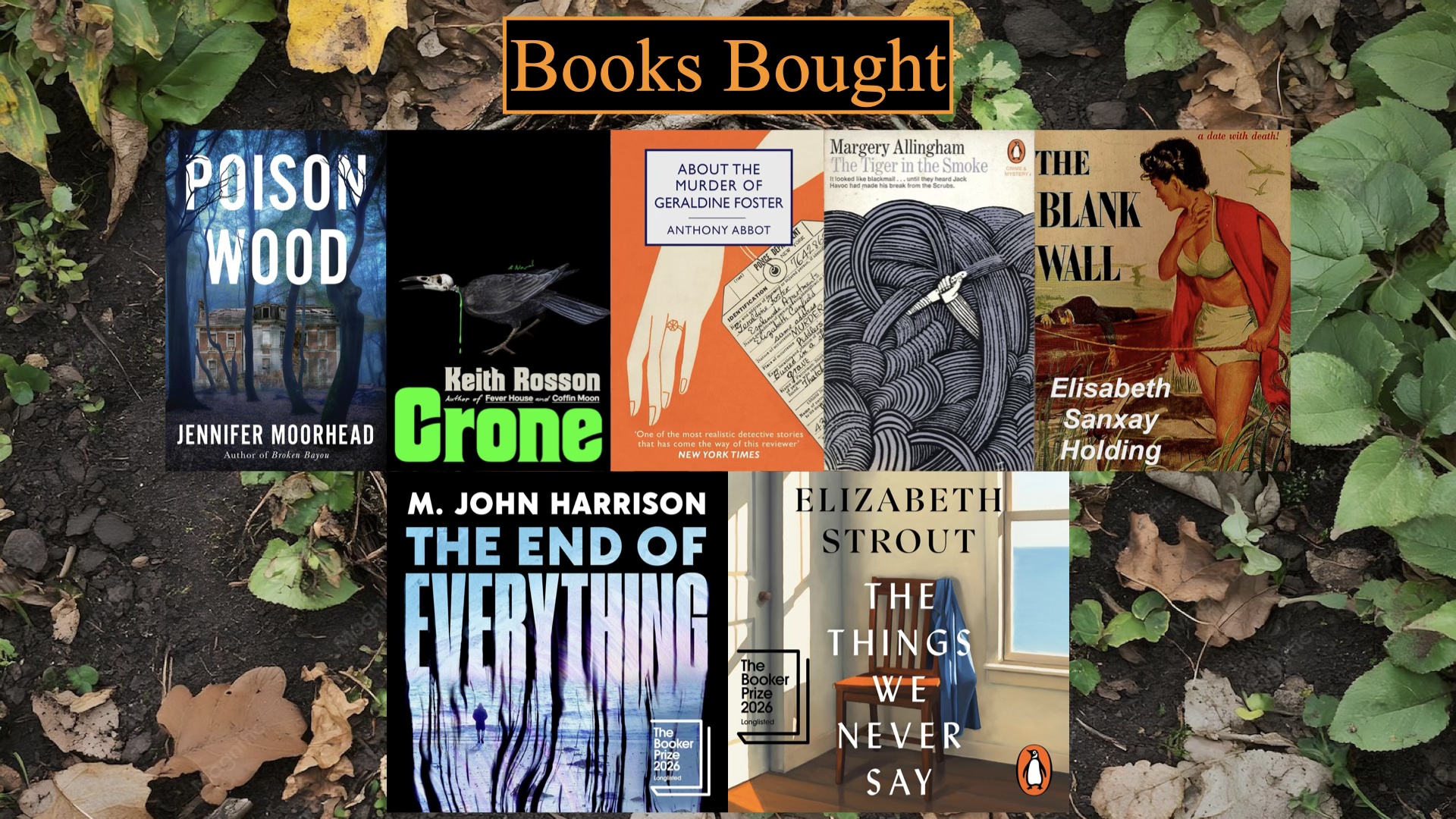
This week, I bought seven books. Two are the latest novels by authors I’ve enjoyed recently, two are American Golden Age mysteries I’ve only just become aware of, one is a Bristish Golden Age mystery that I’m reading with an online community and two are from the 2026 Booker Prize Longlist.
‘Poison Wood’ (2025) by Jennifer Moorhead takes me back to the same setting as her debut novel ‘Broken Bayou’ but with new characters.
’Crone’ (2026) by Keith Rosson returns to a biker gang that featured briefly and bloodily in his powerful horror novel ‘Coffin Moon’.
’About the Murder of Geraldine Foster’ (1930) is the first book in an eight-book series featuring Thatcher Colt, Police Commissioner in New York City.
‘The Blank Wall’ (1947) by Elisabeth Sanxay Holding, set in America during World War II, is the story of a mother trying to protect her daughter.
‘The Tiger in the Smoke’ (1952) Albert Campion #14 by Margery Allingham paints a picture of crime in the grimy streets of post-World War II London.
‘The End of Everything’ (2026) by M. John Harrison is a Booker Longlisted standalone speculative fiction novel about the end of the world as we know it.
‘The Things We Never Say’ (2026) by Elizabeth Strout is a Booker Longlisted standalone novel about loneliness.
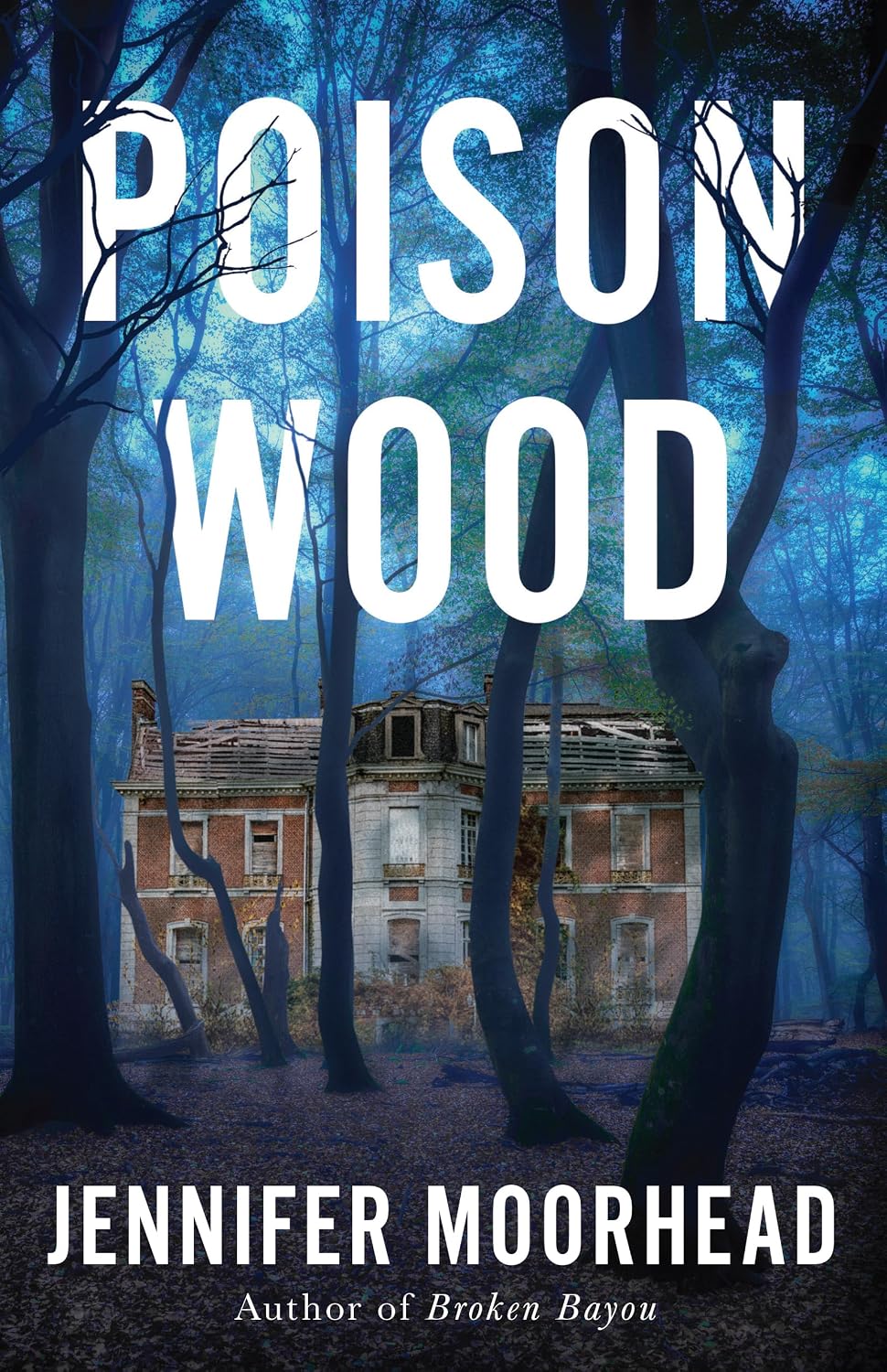
Ambitious crime reporter Rita Meade is riding high after her docuseries on the Broken Bayou serial killer. But when an anonymous tip promises the story behind a skull found deep in the Louisiana forest, she hesitates. Because this one strikes too close to home.
As a teenager, Rita attended Poison Wood Therapeutic Academy for Girls in that forest, but the school shuttered its doors after a series of disturbing incidents. Now the man who confessed to the murder of her classmate has recanted, and Rita’s father, the judge who put him away, has fallen ill.
Summoned back to those haunted woods, Rita sorts through the mysteries of a rotting schoolhouse basement. She digs up emotions she buried along with her mother—and secrets she’s tried hard to forget. But when her investigation spreads to her family tree, the TV cameras swing her way. How far will she go for a story that could threaten everything and everyone she loves?
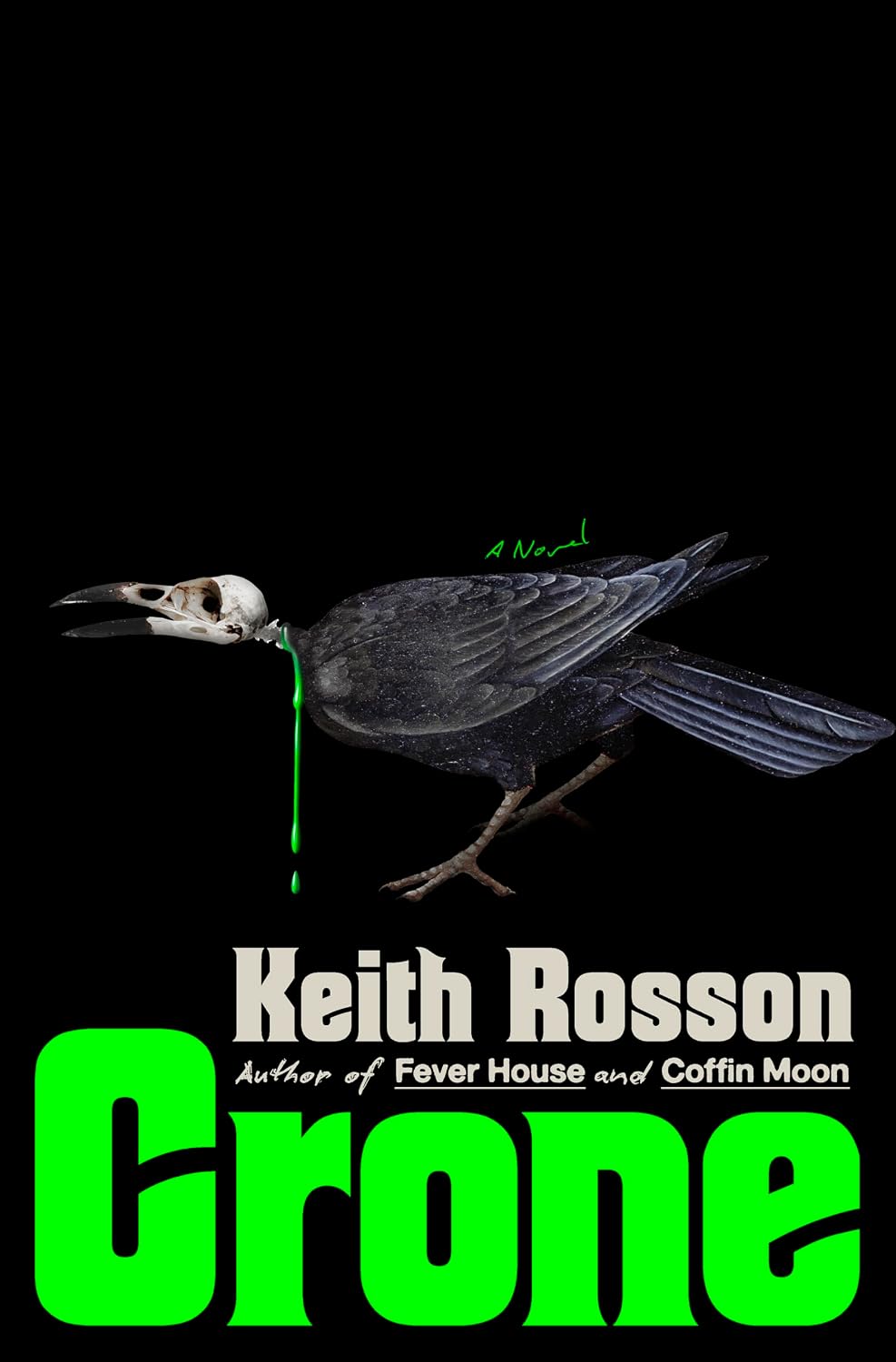
Eli Lamp is a broken man. An ex-detective, ex-addict, and long-grieving father whose daughter, Hannah, disappeared a decade before, Eli decimated his old life investigating her abduction and is now indebted to the Crooked Wheel, a local drug gang, as an enforcer. He lives in a rundown trailer at the edge of the woods, where he keeps Hannah’s room in pristine condition and tries to make it through one day at a time.
But when the son of the Crooked Wheel’s boss is found viciously murdered in a crime scene that doesn’t seem to add up, Eli receives a new order: Find out who the killer is and your debt to the Wheel is clear forever. You’re free. This pursuit brings him into the orbit of Avery Bryant, Hannah’s best friend and the last person to see her before she went missing. Soon, Eli and Avery are entwined in a hunt for answers that spans decades, stretches the realm of possibility, and brings churning to the surface a conspiracy linking not only these current tragedies, but the buried sorrows of Eli’s past.
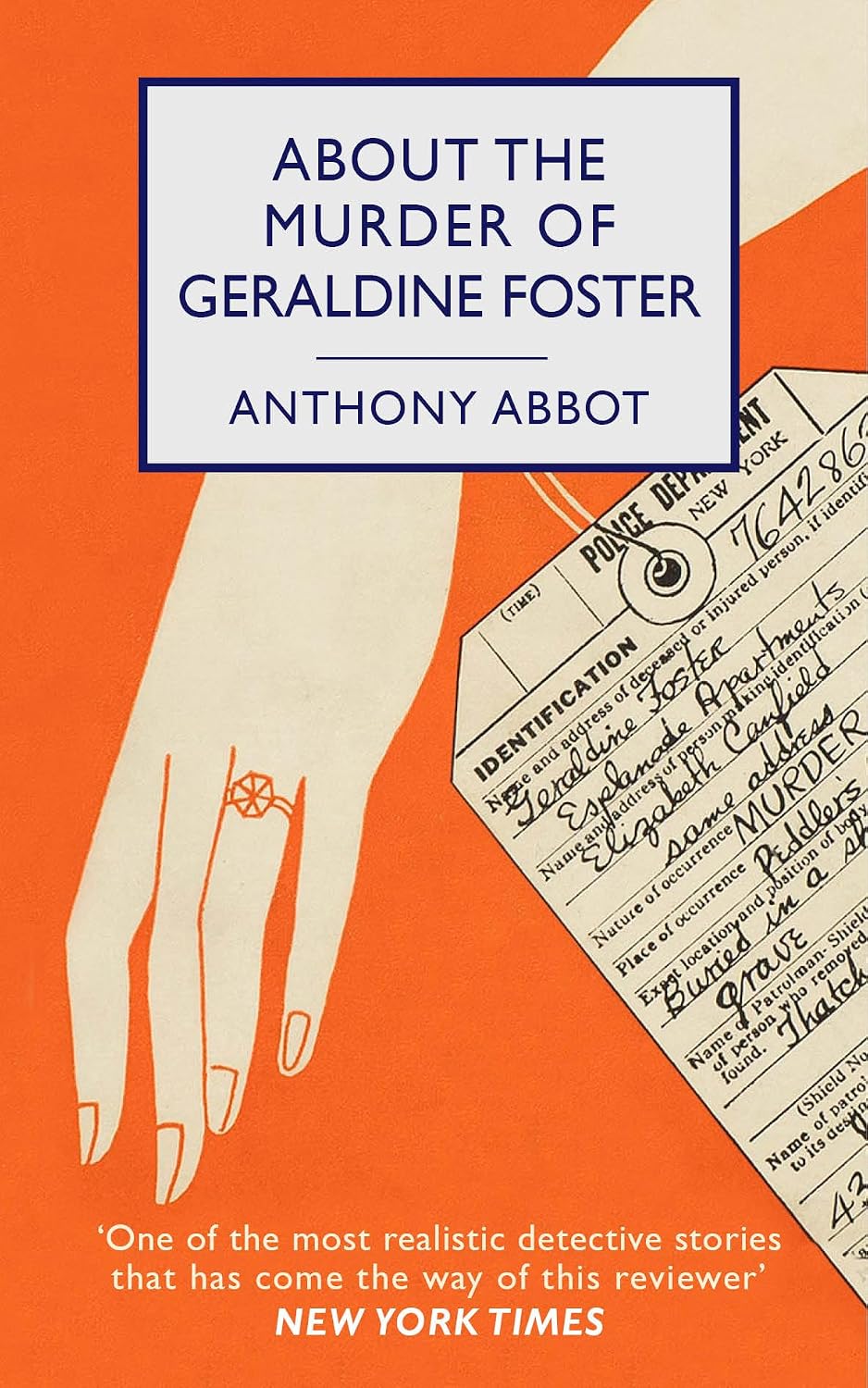
When Geraldine Foster vanishes on Christmas Eve, New York Police Commissioner Thatcher Colt’s investigation quickly discovers her dead body.
The young bride-to-be has been hacked to death and buried naked in a shallow grave behind a bungalow on the outskirts of Manhattan.
At the crime scene is a blood-soaked axe, a strong smell of pine needles (but there are no pine trees nearby), and seven dead pigeons. The birds have drunk from the brook running red with the blood of Miss Foster…
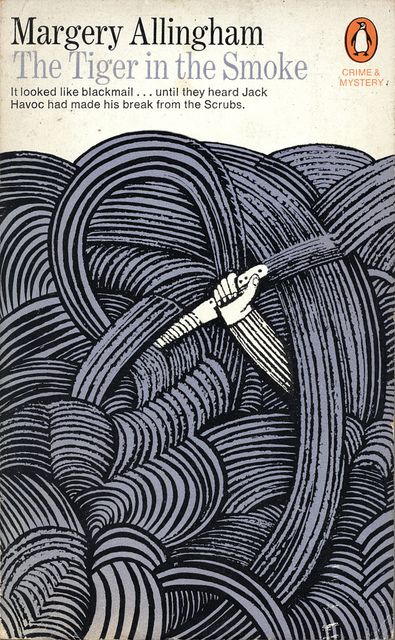
Set in the atmospheric midst of a London ‘pea souper’, The Tiger in the Smoke is Margery Allingham’s most sophisticated Golden Age crime novel, in which the darkness of the down-at-heel city fades against a piercing portrait of pure evil.
An impenetrable fog has descended on the streets of post-war London and, lurking in the shadows, a violent murderer is on the rampage. Gentleman detective, Albert Campion, is on the trail of a mysterious man posing as the dead husband of a war widow with a wealthy new fiancé, but his expedition into the city’s criminal underworld reveals something far more sinister than blackmail . . .

Lucia had forbidden her teenage daughter Bee from meeting Ted Darby, the unsavoury older man who now lies sprawled and lifeless before her. To Lucia’s horror, after she moves the body, two strangers arrive at her home in quick succession. They both threaten blackmail, insinuating she knows about Darby’s disappearance. The county police also begin investigating Darby’s unexplained death.
Every evening, as Lucia writes to her husband away at sea, she finds herself relating niceties, omitting the truth about the net rapidly closing in on her household. Aided by her trusted maid Sybil, Lucia fends off inquiries from police lieutenant Levy and curious neighbours alike. When one of the blackmailers begins to soften and takes Lucia’s side, her family immediately grow suspicious, and Lucia is in even greater danger than before.
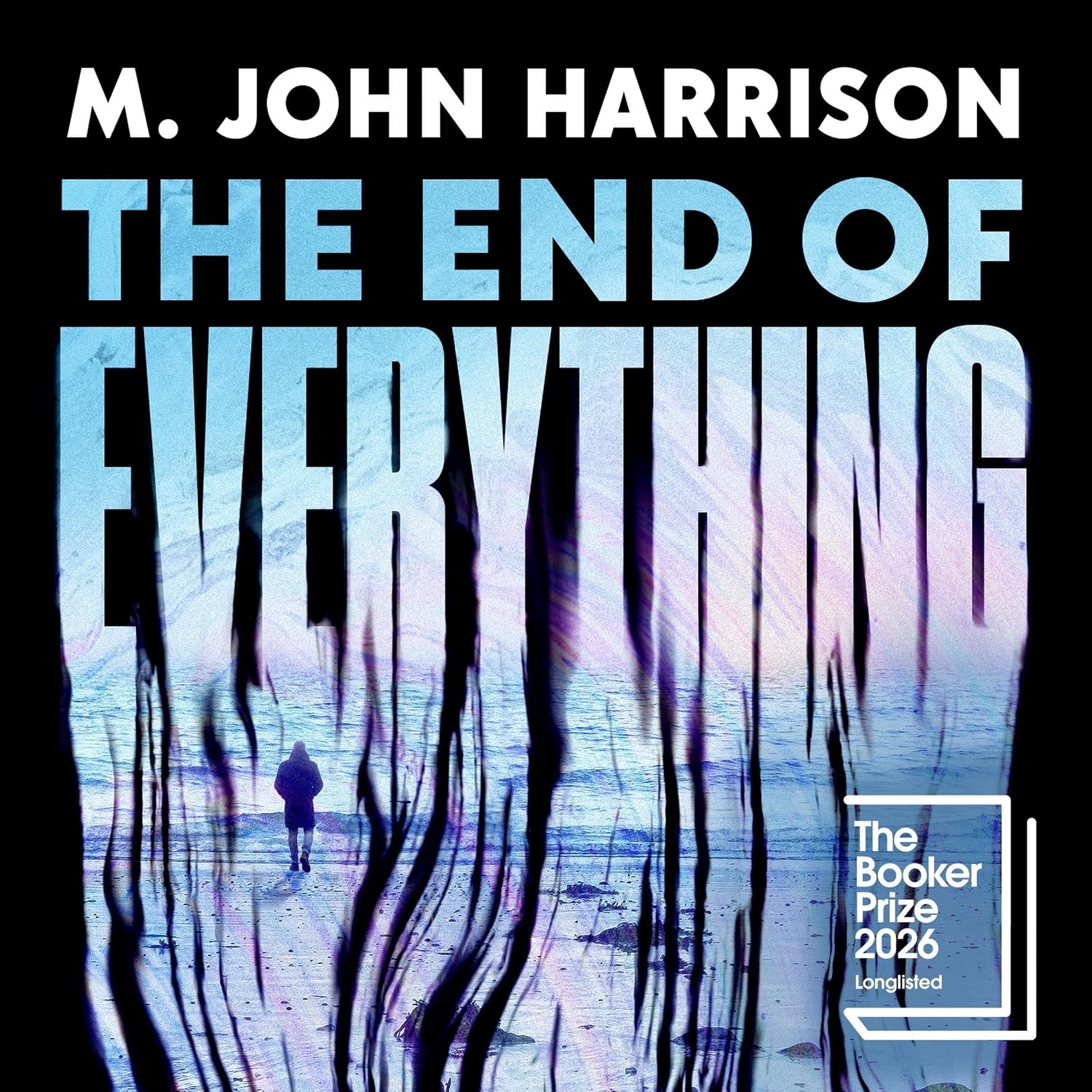
Phillip Tennent makes his living at the tideline, collecting artefacts that wash up from the Channel. It’s been years since the crisis changed everything, but its exact nature remains obscure. Government barely functions, the seas are full of new creatures, Europe has been mislaid. It feels like the end.
Now Phillip has fished out of the water an object he can’t keep. A creature that keeps changing. An artefact he must take inland, before it destroys everything he thinks he knows.
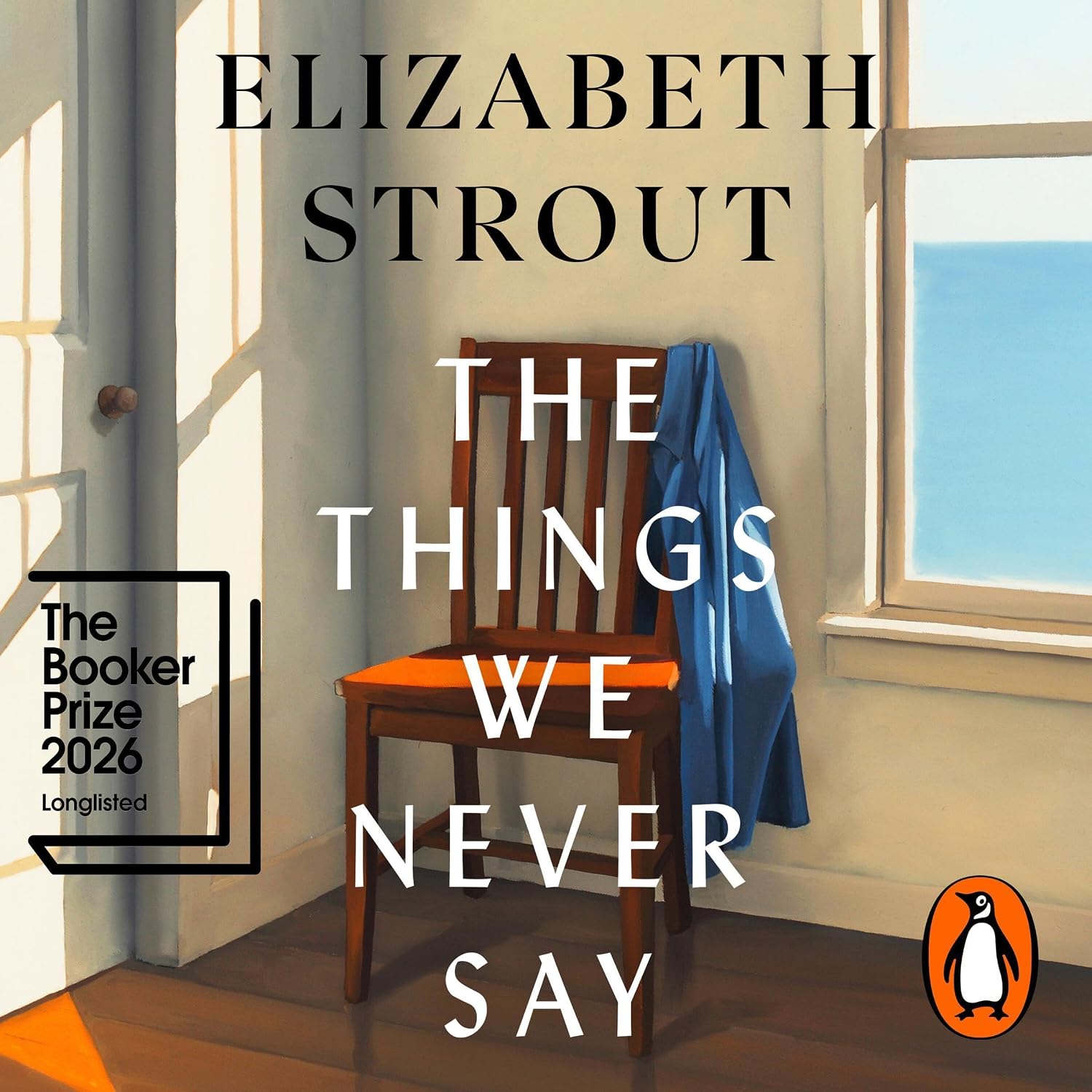
Artie Dam is a man with a secret. He spends his days teaching history to high schoolers, expanding their young minds, correcting their casual cruelties, and lending a kind word to those who need it most. He goes to holiday parties with his wife of three decades, makes small talk with neighbours, and, on weekends, takes his sailboat out on the beautiful Massachusetts Bay. He is, by all appearances, present and alive. But inside, Artie is plagued by feelings of isolation. He looks out at a world gone mad—at himself and the people around him—and turns a question over and over in his mind: how is it that we know so little about one another, even those closest to us
And then, one day, Artie learns that life has been keeping a secret from him, one that threatens to upend his entire world. Once he learns it, he is forced to chart a new course, to reconsider the relationships he holds most dear—and to make peace with the mysteries at the heart of our existence.

My books this week have been chosen to fit Halloween Bingo squares.I have a standalone Space Opera with pirates and little romance, a recently published portal novel with a mystery at its heart and a classic example of a mystery disclosed entirely through correspondence and documentation.

Bitter Amandine and her pirate crew have plundered the stars around Votive City for decades, building a fearsome reputation. But after two decades of near-death experiences, they’re getting too old for this shit. They’re willing to hang up their blasters, retire, and finally get some rest . . . after one last job.
When Amandine hears that an old rival is planning to kidnap a highly protected Navigator, she decides to swoop in, stage a rescue and press her for a reward, But the navigator has other plans. She turns the tables on Amandine and reveals that she was hoping the infamous pirate would catch wind of the meeting and interfere. She wants a ride to The Clutch, a graveyard for the ships of an extinct alien race, to chase down her missing mentor. What they discover will change the whole galaxy forever.
I picked this up for four reasons:
1. it has pirates in space, led by a charismatic, tough but honourable female captain,
2. It’s a standalone Space Opera so I don’t have to read thousands of pages to finish the story arc,
3. I enjoyed Megan O’Keefe’s ‘The Blighted Stars‘ (2023),
4. It’s a perfect fit the Lost In Space Halloween Bingo square.
2026
Lee can’t remember exactly where he hid the body, but he can remember the blood. Hiding out at his father’s centuries-old home in Japan, Lee knows something is wrong with him, and he knows it has something to do with his mother’s disappearance almost a decade ago.
1877
A female samurai, Sen, stalks the borders of her home to protect her family from slaughter after the abolition of the samurai class. She’s not sure how they’ll ever survive, not without her father, who has returned from war with a different soul behind his eyes.
When Lee and Sen find one another through a door between their worlds, they’re both looking for answers. But what they find in the creaking old house they share is beyond what either of them could imagine……
I’ve been waiting for ‘Japanese Gothic’ since I read Kylie Lee Baker’s ‘Bat Eater and Other Names for Cora Zeng‘ (2025) back in March. I meant to read it when it was published in May, but somehow it got pushed off my schedule, so I’m resurrecting it for Halloween Bingo. I even swapped one of the squares on my card so I could read it. It’s a story about a female Samurai and a haunted house in Japan, told with characters from 1877 and 2026, and it’s by a writer who I know writes well. How could I resist that?

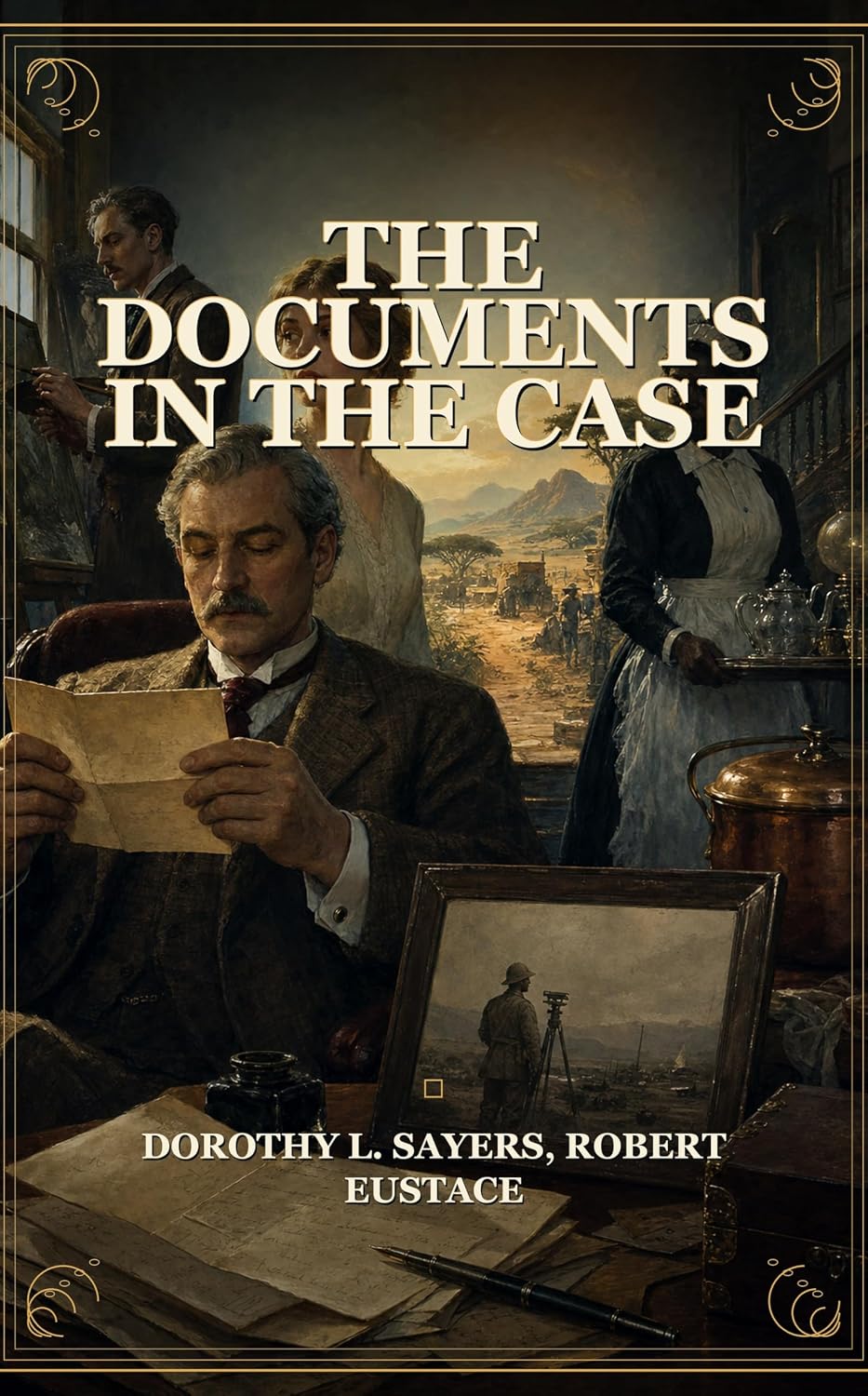
After the respectable George Harrison, a middle-aged mycologist, is unexpectedly found dead at his dining table with a plate of wild mushrooms before him, his passing is initially deemed a tragic accident. But Harrison’s son, Paul, struggles to accept this verdict. As he begins to investigate further, it appears that this was no fatal mistake by an amateur forager, but something far more complex, calculating and ruthless.
Through a series of letters, personal accounts and legal documents, Paul begins to unravel the chilling truth behind what happened.
I didn’t know Dorothy Sayers had co-authored an epistolary novel. It’s her only crime novel without Wimsey in it. Once I found it, I had to read it. Fortunately, it’s a perfect fit for one of my Halloween Bingo squares.
According to Wikipedia, the novel: “…draws upon the notable 1922 Edith Thompson and Frederick Bywaters case, which led to the miscarriage of justice whereby Edith Thompson was hanged, along with her lover Frederick Bywaters, for his murder of her husband, supposedly at her instigation, thanks to her fancifully passionate letters offered in evidence at their joint trial.”

