Even though we’re a week away from Advent, every shop is pushing Christmas at me already. They’re trying to make Black Friday into a (seven day) thing in the UK although we have no Thanksgiving tradition. I’m keeping my Grinch face on but I’ve also read my first Christmas short story collection and I have more Christmas books lined up and ready to go.
Anyway, here’s what I read and bought this week and what’s up next.
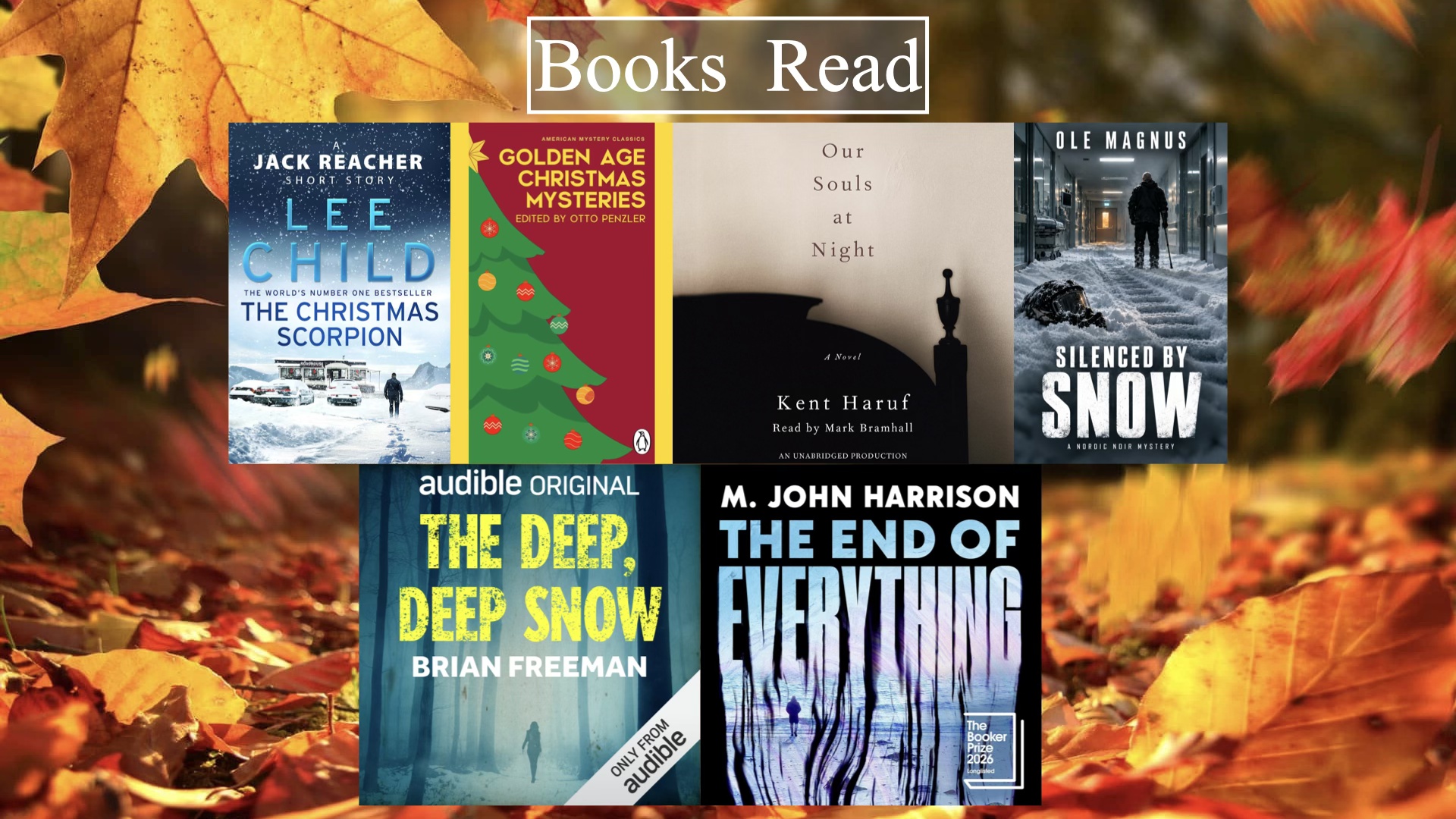
My reading week was dominated by one short but excellent novel, and no, it wasn’t the one that won the Booker Prize. I set aside two novels, and yes, one was the one that won the Booker Prize. I spent the rest of the week reading short stories.
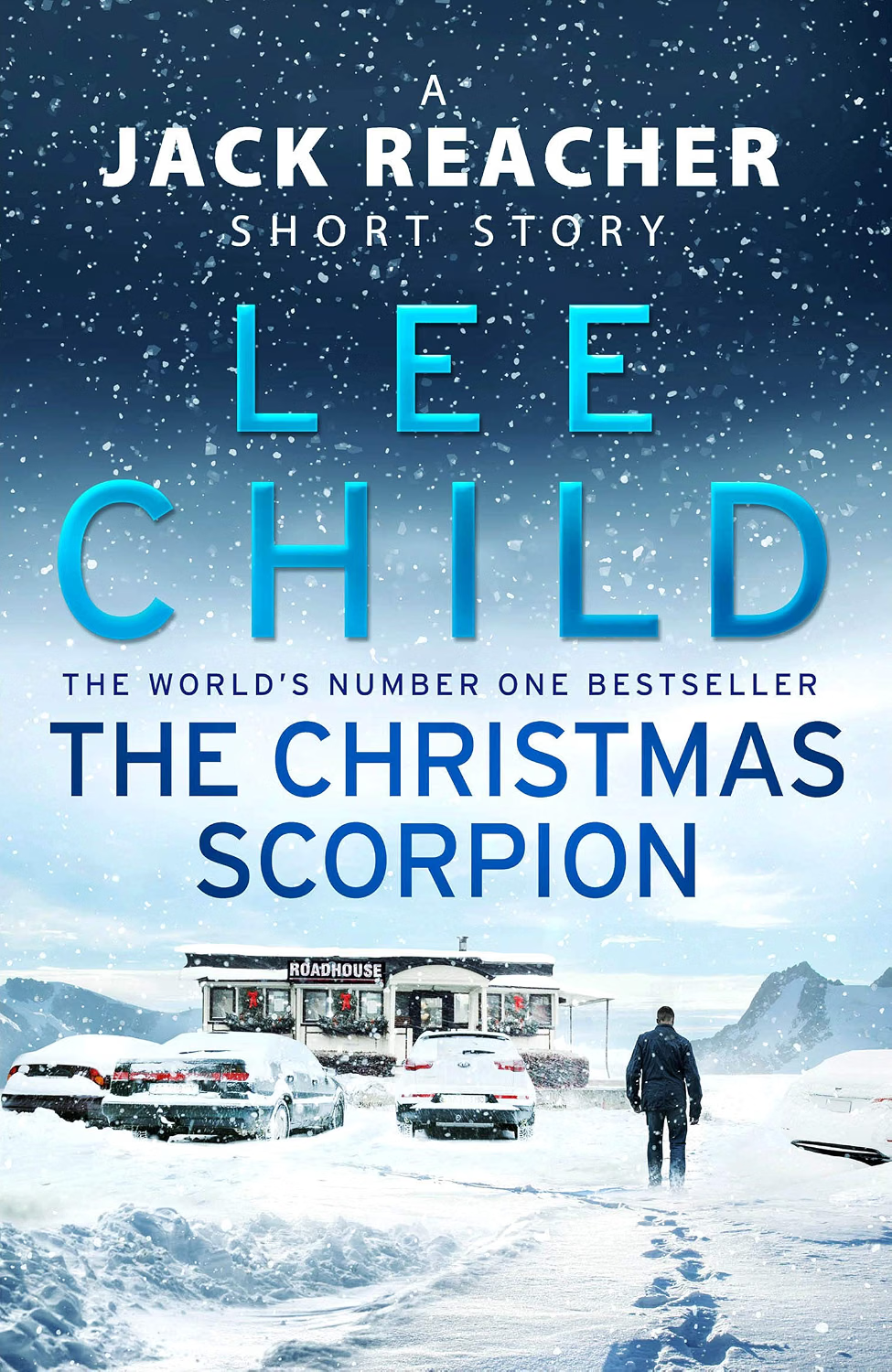
‘The Christmas Scorpion‘ (2018) was a twenty-page, mildly Christmas-themed Jack Reacher short story. It was the equivalent of a good mince pie: something to accompany a strong black coffee on a cold day, and it took about as long to read. Still, it cost me £0.49, so I’m happy enough.
My review is HERE
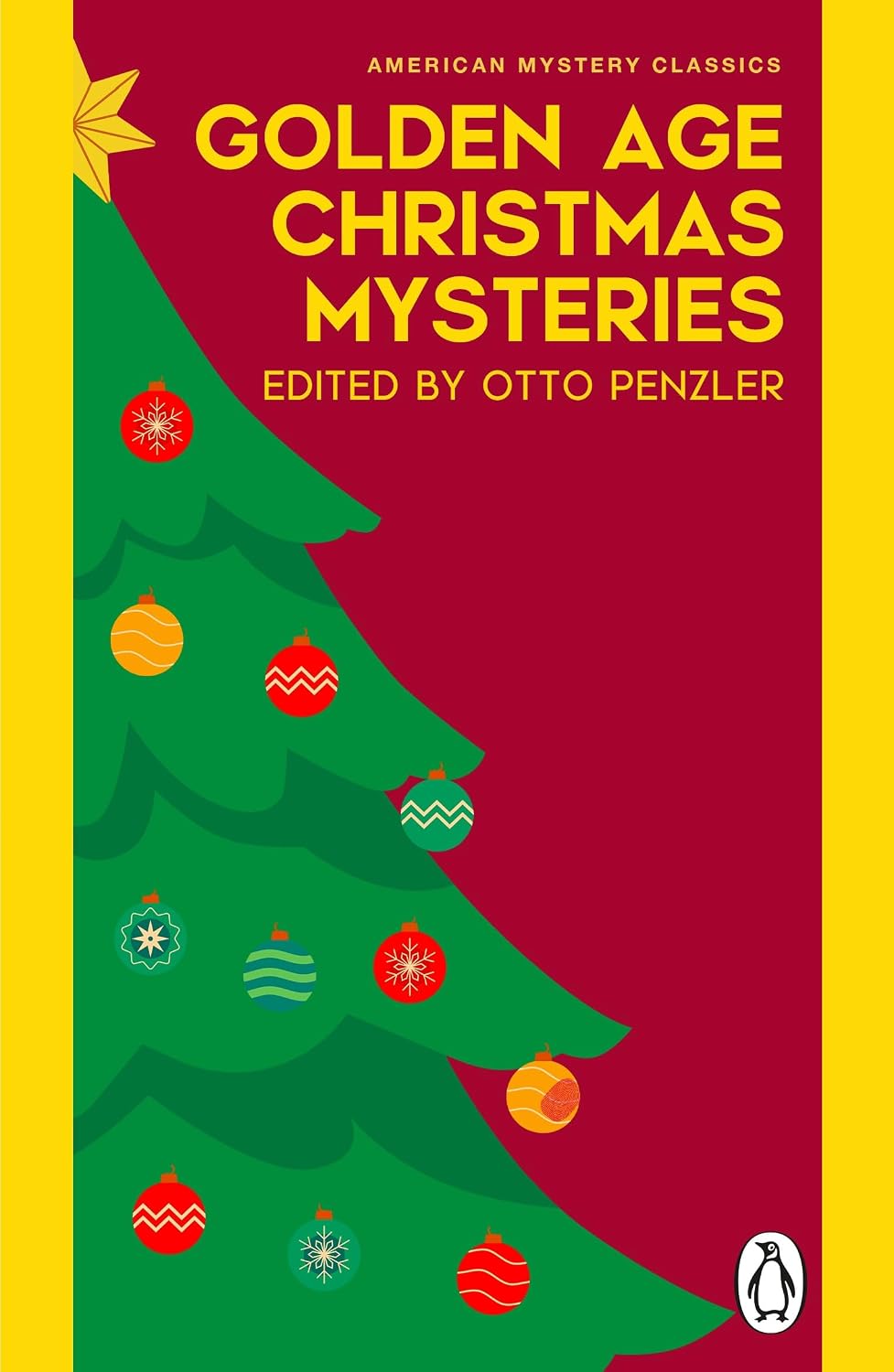
A collection of Christmas-themed mysteries, written by some of the greatest Golden Age authors: Anthony Boucher, Lillian de la Torre, Carter Dickson, Stanley Ellin, Steve Fisher. Pat Frank. Baynard Kendrick. John D. MacDonald, Meredith Nicholson Norvell Page, Ellery Queen, Mary Roberts Rinehart, Damon Runyon, Vincent Starrett
I kicked off my Christmas reading with ‘Golden Age Christmas Mysteries‘ (2026), a collection of fourteen American Golden Age mysteries that I used as a sampler. Two stories, ‘Crime’s Christmas Carol‘ by Norvel Page and ‘The Butler’s Christmas Eve’ by Mary Roberts Rinehart, were excellent and made me glad that I’d bought the book, four were two-star reads, I set two aside.
My review, with comments on each story, is HERE.
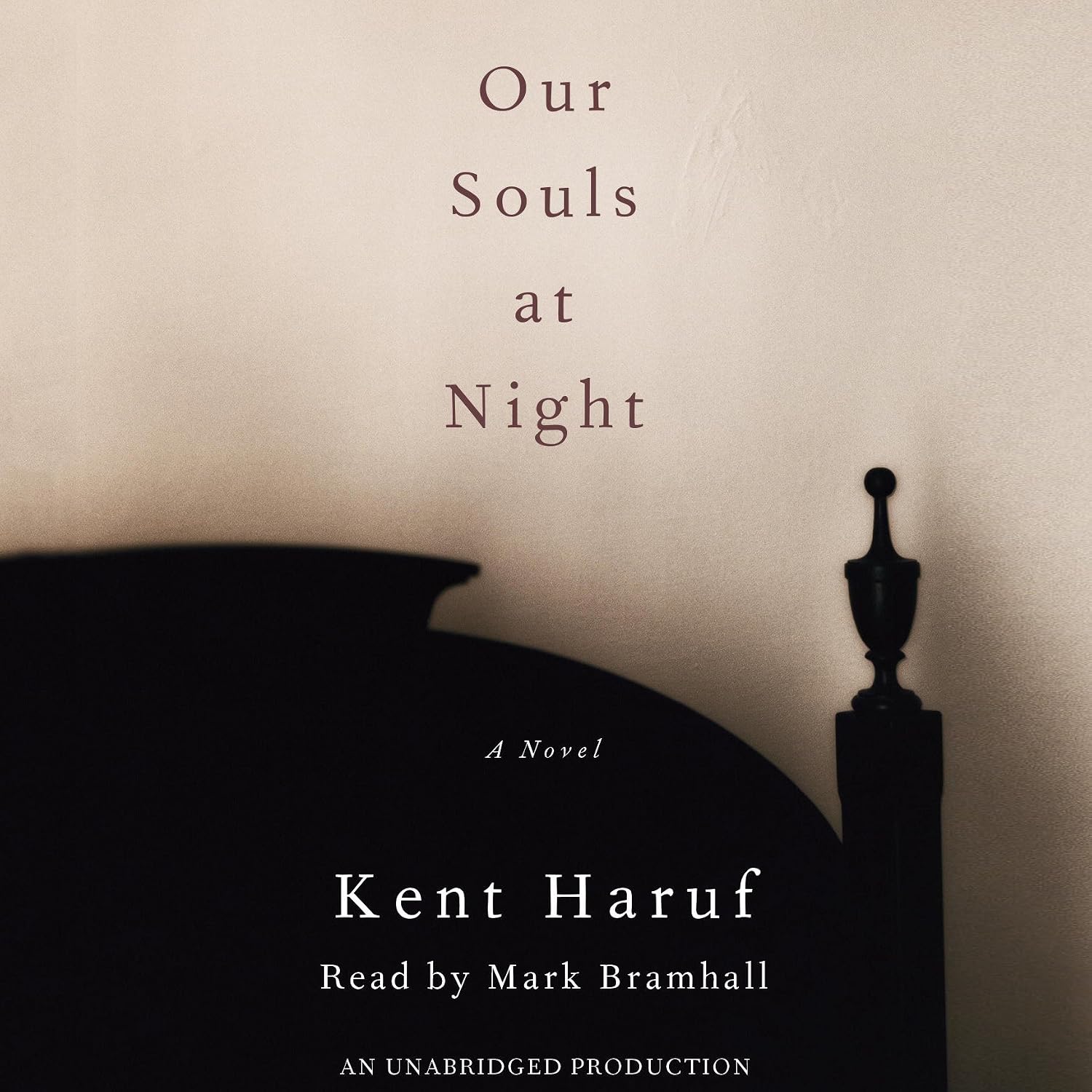
In the familiar setting of Holt, Colorado, home to all of Kent Haruf’s inimitable fiction, Addie Moore pays an unexpected visit to a neighbor, Louis Waters.
Her husband died years ago, as did his wife, and in such a small town they naturally have known of each other for decades; in fact, Addie was quite fond of Louis’s wife.
His daughter lives hours away in Colorado Springs, her son even farther away in Grand Junction, and Addie and Louis have long been living alone in houses now empty of family, the nights so terribly lonely, especially with no one to talk with.
‘Our Souls At Night’ (2015) was one of those rare books which, I knew as soon as I’d finished it, to be pretty much perfect, but where the perfection was so effortlessly and artlessly achieved that it’s hard to analyse how it was done.
This was my first book by Kent Haruf but I’ve had ‘Plainsong’ (1999), the first book in his trilogy set (as ‘Our Souls At Night’ was) in the small town of Holt, Colorado, burried in my TBR pile for a decade now. I’ll be digging it out soon.
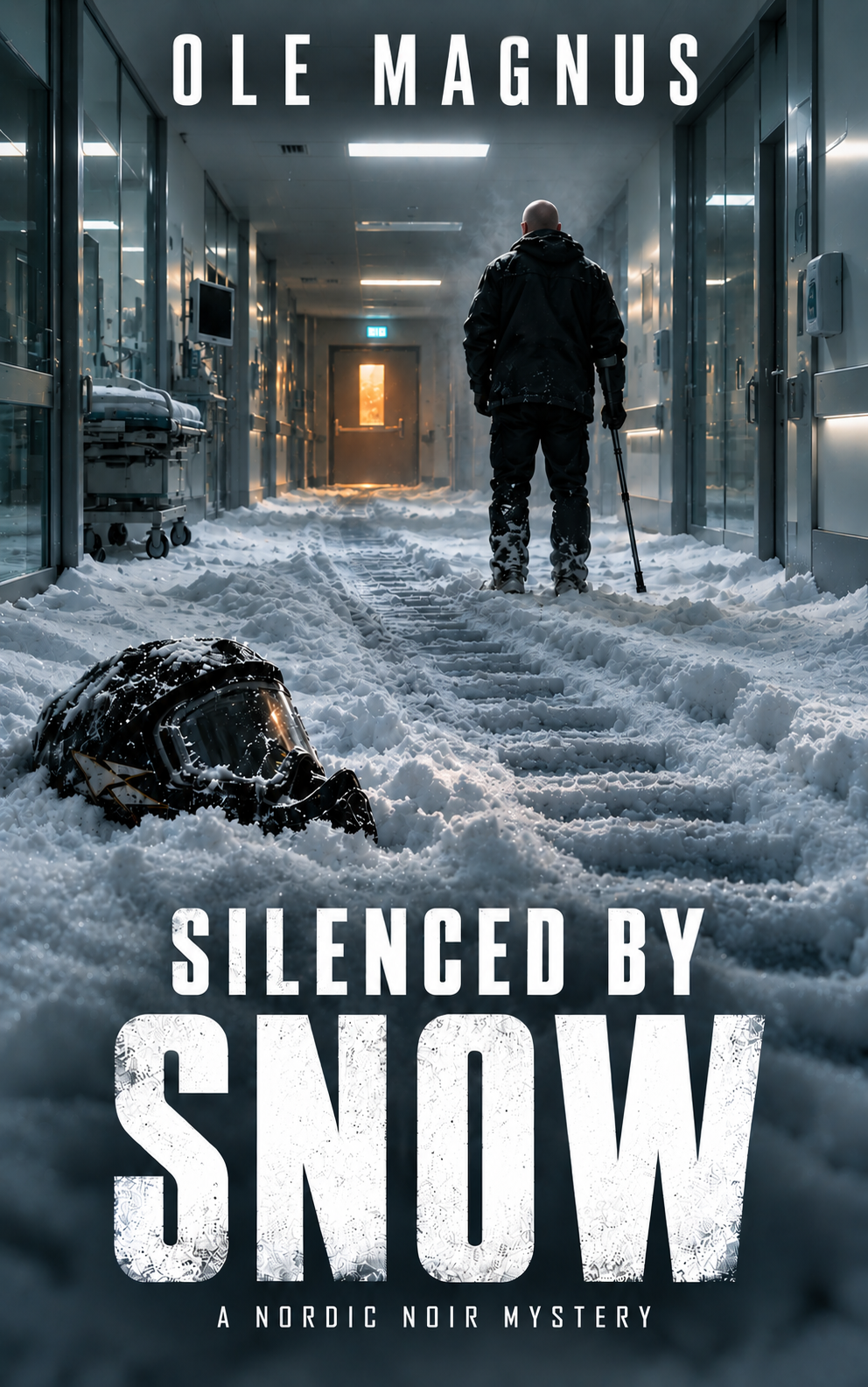
He went to Prague to drink himself to death. He woke up in a hospital in Tromsø.
Sander Solvang used to be the cleverest person in any room. Now he is broke, feverish and lying in Room 302 while the doctors decide how much of his leg they can save.
The man in the next bed is Jens. Four old friends went racing snowmobiles in the mountains. Jens was run down and left in the snow. Now the friends have started to visit, and each of them wants the same thing: for Jens to keep quiet about that night.
Sander can’t walk. He can barely sit up. But he can listen, and he notices what other people miss.
Then he comes back from surgery and the bed beside him is gone. The hospital calls it a complication. Sander calls Detective Kari Eidem
‘Silenced by Snow’ (2026) was an entertaining police procedural mystery with the twist that the central character is an intelligent, charismatic, sometimes suicidal amateur sleuth who spends half the novel unable to leave his hospital bed. With most of the action taking place in the far north of Norway,, this is clearly a Nordic mystery, but I didn’t think it was a particularly noirish one. I enjoyed the novel because the people felt real, the mystery went in unexpected directions, I didn’t guess the identity of the murderer, although once I knew, I felt like I should have guessed, and the central character was just off-centre enough to add depth to the story without stretching credibility too far. I’ll be back for the next book.
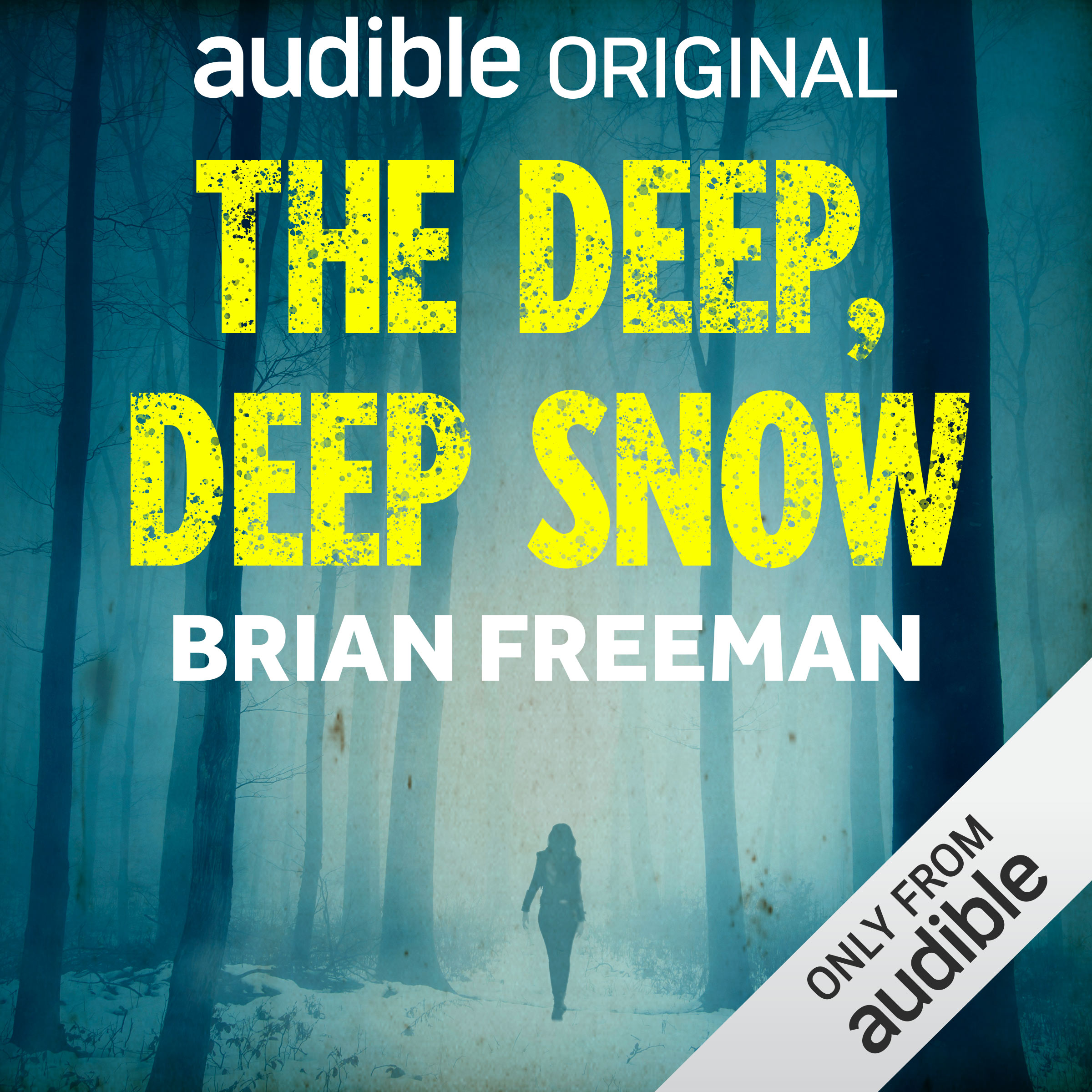
Deputy Shelby Lake was abandoned as a baby, saved by a stranger who found her in the freezing cold. Now, years later, a young boy is missing – and Shelby is the one who must rescue a child.
The only evidence of what happened to 10-year-old Jeremiah Sloan is a bicycle left behind on a lonely road. After a desperate search fails to locate him, the close bonds of Shelby’s hometown begin to fray under the weight of accusations and suspicion. Everyone around her is keeping secrets. Her adoptive father, her best friend, her best friend’s young daughter – they all have something to hide. Even Shelby is concealing a mistake that could jeopardize her career and her future.
Unearthing the lies of the people in Jeremiah’s life doesn’t get the police and the FBI any closer to finding him. As time passes and the case grows cold, Shelby worries that the mystery will stay buried forever under the deep, deep snow. But even the deepest snow melts in the spring.
When a tantalizing clue finally comes to light, Shelby must confront the darkest lie of all. Exposing the truth about Jeremiah will leave no one’s life untouched – including her own.
I’ve had ‘The Deep, Deep Snow’ (2019) on my shelves since it was published. I finally dragged it to the top of my TBR pie only to discover that it wasn’t for me. Even with January LaVoy’s narration, I wasn’t being drawn in. I set it aside at 25% because I didn’t belive the Shelby Lake character. She seemed to superstitious and too sentimental to function as a Deputy.
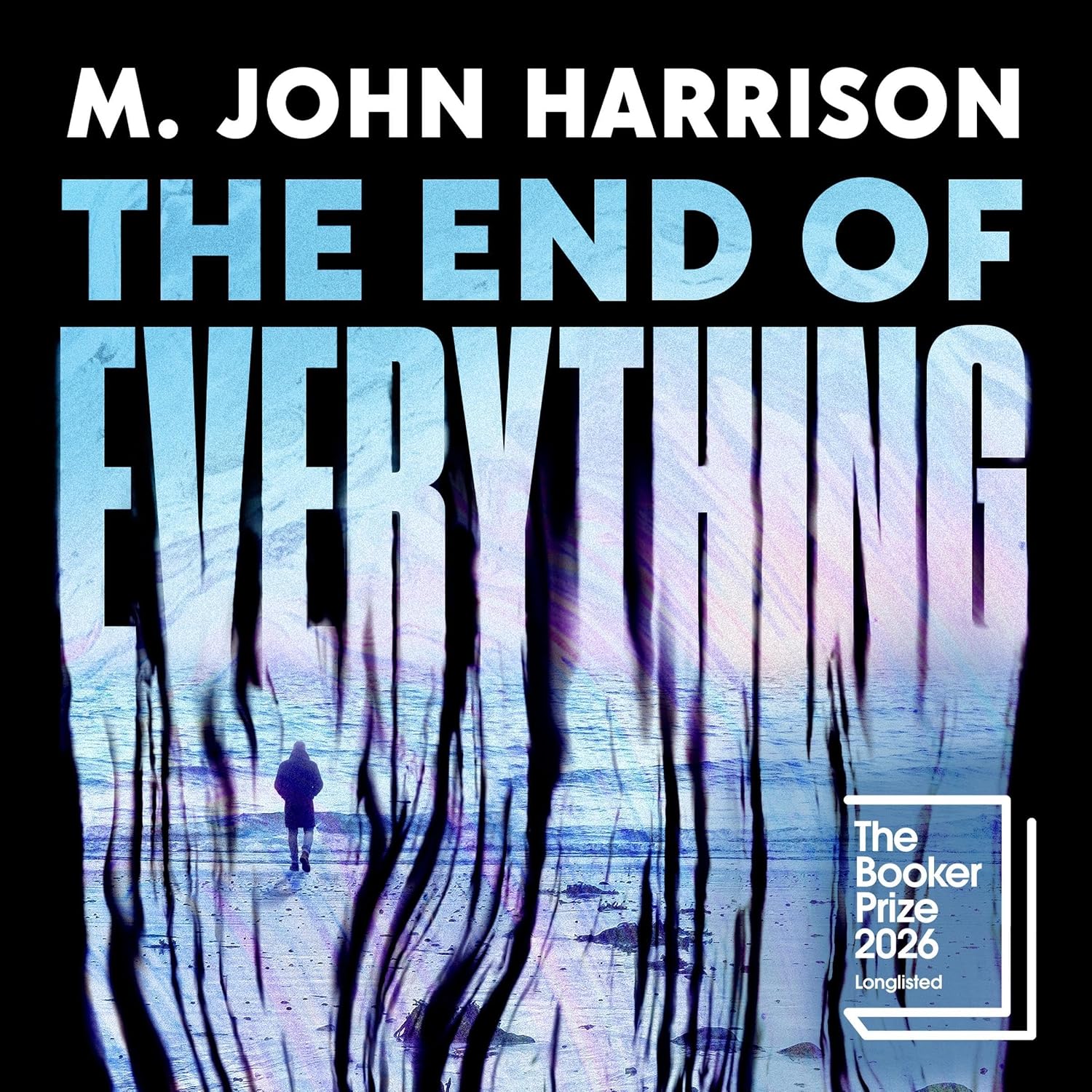
Phillip Tennent makes his living at the tideline, collecting artefacts that wash up from the Channel. It’s been years since the crisis changed everything, but its exact nature remains obscure. Government barely functions, the seas are full of new creatures, Europe has been mislaid. It feels like the end.
Now Phillip has fished out of the water an object he can’t keep. A creature that keeps changing. An artefact he must take inland, before it destroys everything he thinks he knows.
I made it a third of the way through this short, Booker Prize-winning novella before abandoning it because I couldn’t listen to any more of the over-worked, trying-too-hard prose.
My review (more a lament than a rant) is HERE
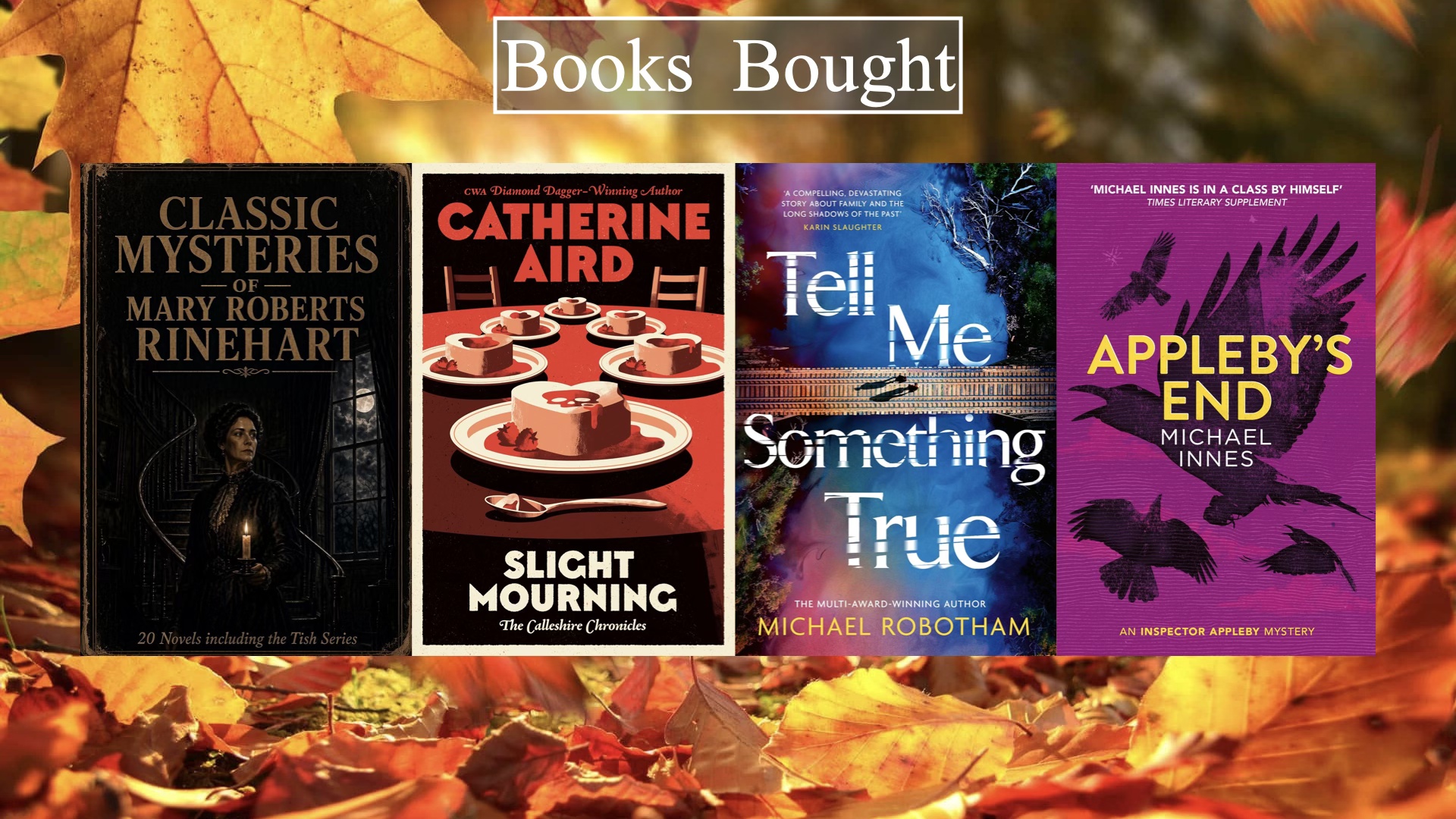
This week, I bought four books. Three of the age Twentieth Century mystery novels and one is the lastest novel from an author I’ve been wanting to try.
I liked the Mary Roberts Rinehart short story I read this week, so I looked through her back catalogue and found ‘Classic Mysteries of Mary Roberts Rinhart’ (2026) which bundles twenty Golden Age mystery novels togethe (4,915 pages) for £2.22. I couldn’t resist a bargain like that.
‘Slight Mourning’ (1975) is the sixth of Catherine Aird’s Inspector Sloan novels. It was on sale this week so I added to my TBR pile.
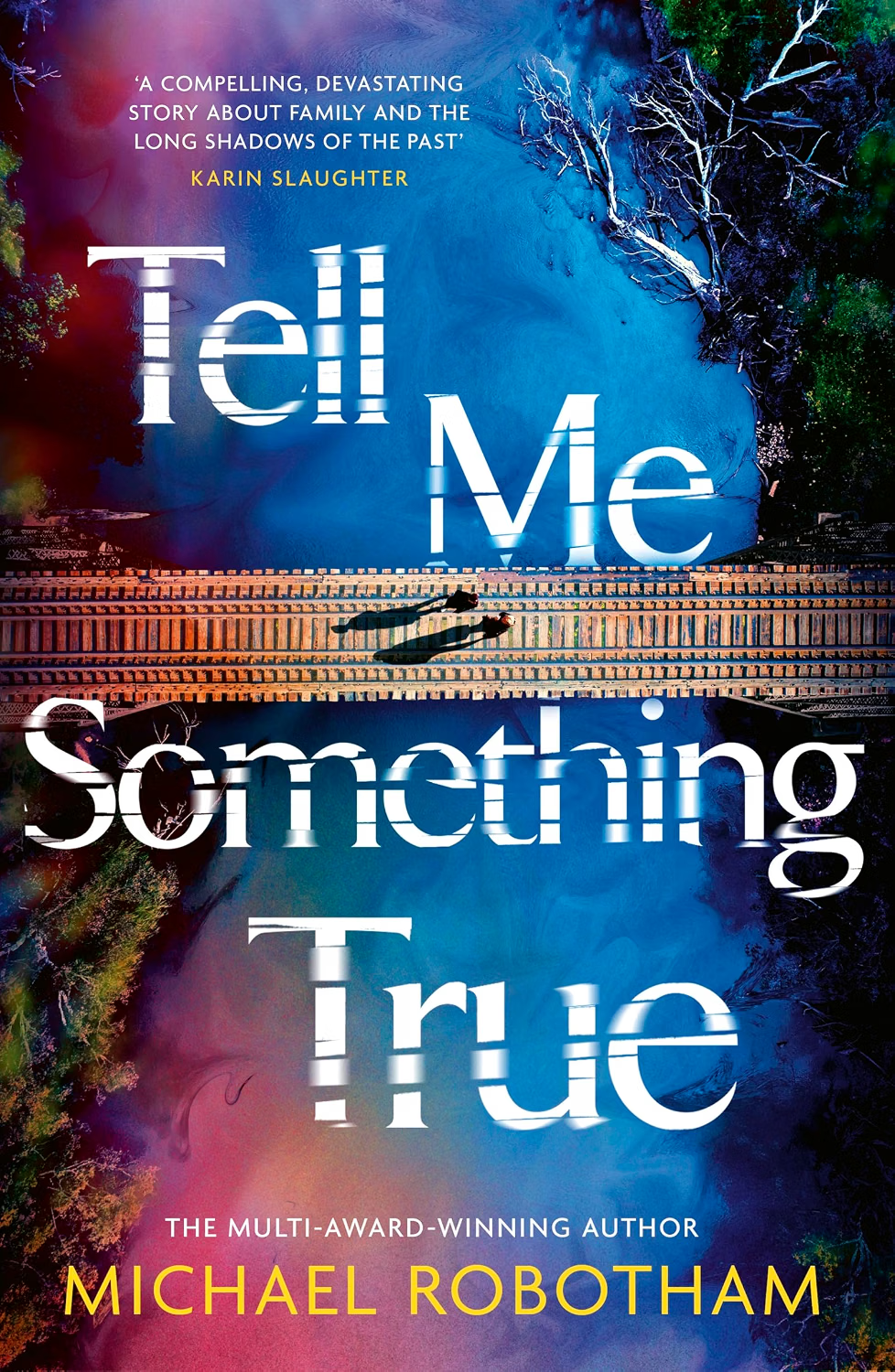
I’ve been meaning to try Michael Robotham’s novels for a while, so when I saw that his latest book, ‘Tell Me Something True’ (2026), was on sale for £0.99, it became the book thatt will introduce me to his work.
I’m hoping Michael Innes will be another Golden Age mystery writer who I can follow. Between 1936 and 1986, he published thiry-two novels featuring Inspector Appleby. I’m starting with ‘Appleby’s End‘ (1945), the tenth book in the series, because it was the one that was on sale for £1.59.
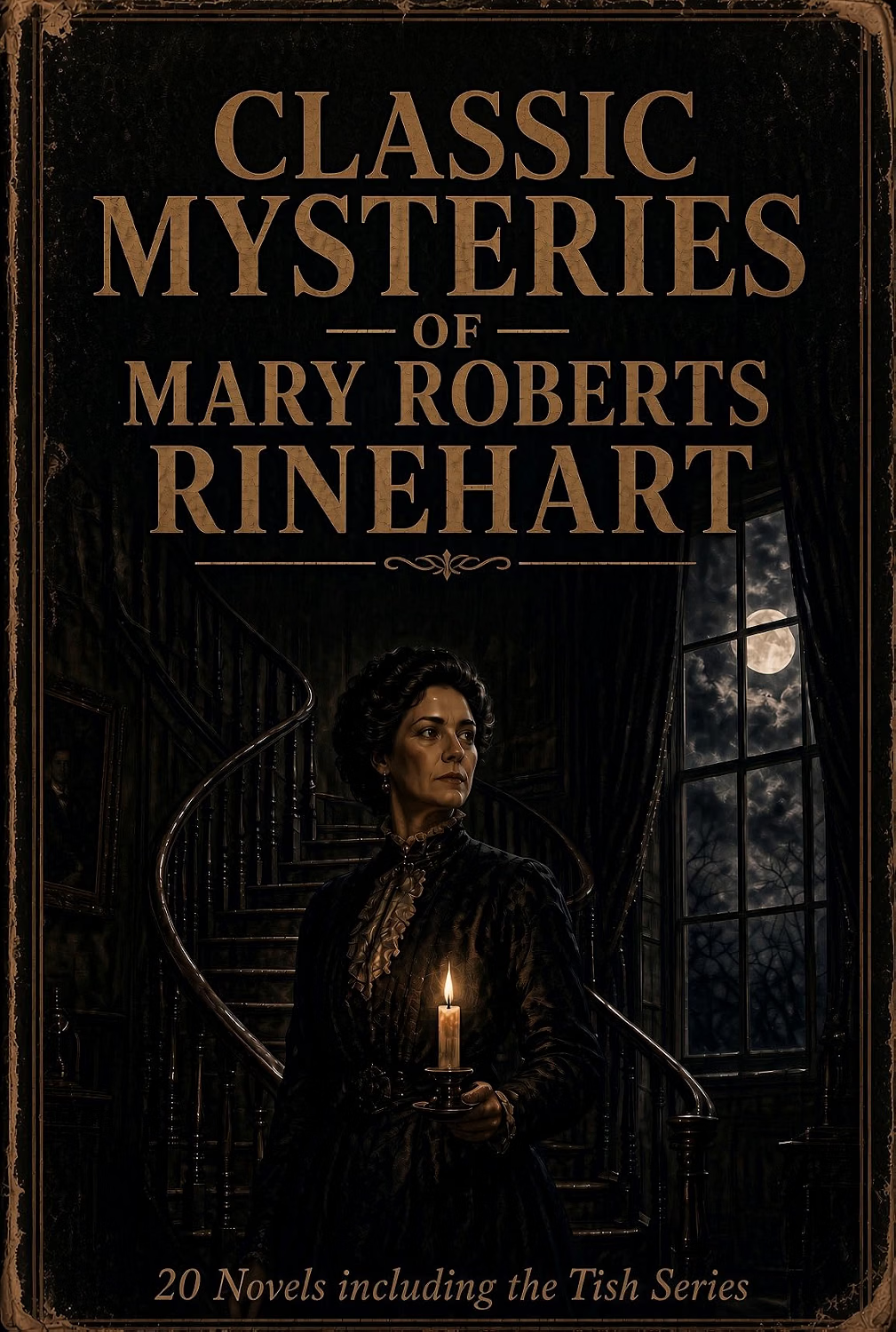
Mary Roberts Rinehart was one of the most popular and influential American mystery writers of the early twentieth century. Often called “the American Agatha Christie,” she helped invent the modern domestic suspense novel and created some of the most memorable heroines in the genre.
This volume gathers twenty of her most important early works in one place — the groundbreaking mysteries that made her famous, the complete adventures of the unforgettable Tish, and the atmospheric novels that established her lasting reputation.
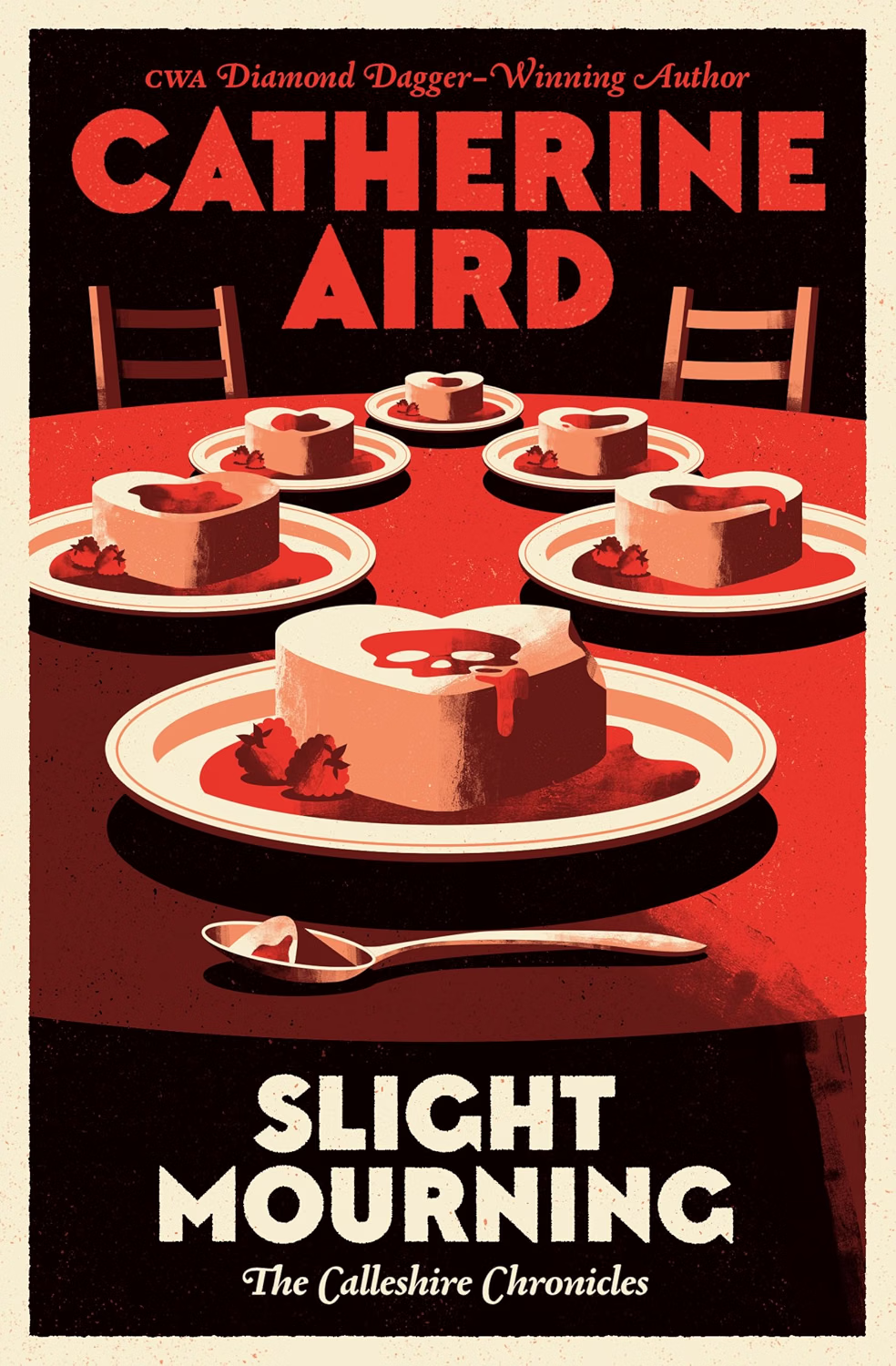
Twelve friends sit down for supper at Strontfield Park—but only eleven survive the evening. After dinner, the host, William Fent, offers to drive one of his guests home, only to die behind the wheel in a violent accident. The autopsy shows that Fent ingested enough barbiturates to kill a horse.
Each of the guests had the opportunity to kill William Fent. But which one wanted him dead?
The blizzard begins pummeling the Midwest on Christmas Eve, leaving hundreds of passengers stranded at Chicago’s O’Hare International Airport. Todd Curry doesn’t need another reason to disappoint his son, so he joins three other people in renting the last four-wheel drive available and they set out into the blinding snow.
Only two hours into the treacherous trip west, Todd swerves to avoid a man in the middle of the highway. The stranger claims his daughter is lost somewhere out in the snow. Though his odd demeanor and ripped clothes make Todd and his group uneasy, they agree to take the man to the nearest town—if the now-damaged car can make it.
What awaits them at the next exit, however, is nothing they could have imagined. Around an empty town square, fires burn, cars are abandoned, storefronts are smashed. And there is no one to be seen—for now…
But soon the shadows lurking on the edges of their vision will step into the light, and Todd and his fellow travelers will find themselves facing a sharp-scythed evil shaped from the snow, tearing its way into human form—and taking the neighborhood by storm.
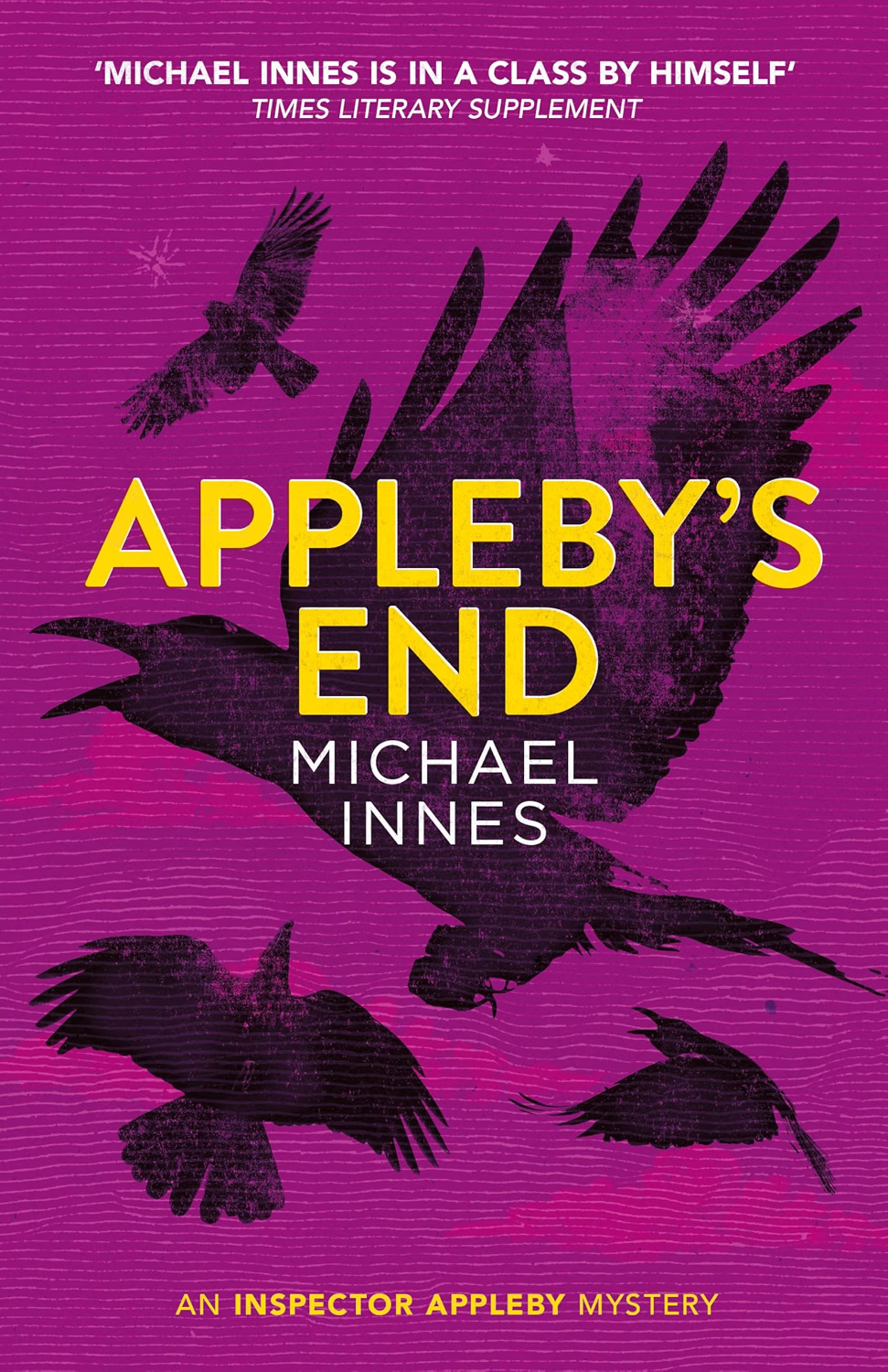
Something’s afoot in the village of Snarl. Incidents include animals turned to stone and ominous tombstones inscribed with deaths yet to come. Det. Insp. John Appleby is travelling by train from London to consult on the case. However, impending his arrival to his connecting train is a terrible snowstorm. Fortunately, a fellow passenger, encyclopedia author Everard Raven, invites Appleby to spend the night at his country estate.
Appleby soon has second thoughts about accepting the offer. When they get off the train, they meet more of Raven’s relatives, and they are just as unusual as he is. Next, the station is alarmingly named “Appleby’s End.” And then one of the Ravens’ servants is found dead and buried up to their neck in snow . . .
As Appleby investigates, he notices an unusual connection between the servant’s body, the mayhem at Snarl, and even his own arrival in the village. They all resemble scenes from the novels of Everard’s late father. Appleby must determine who is behind this bizarre plot before another member of the Raven household meets a literal end.
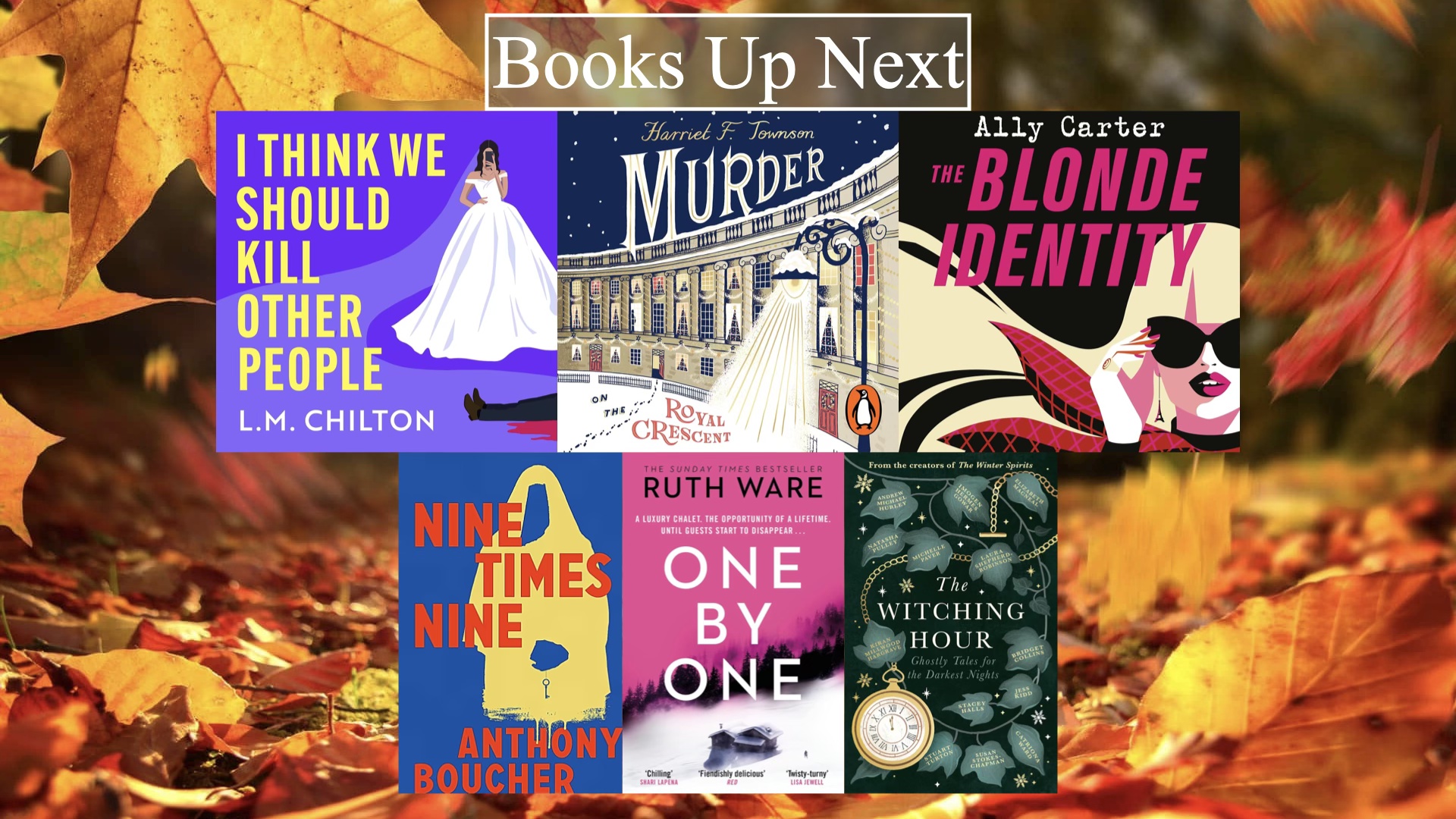
My reading is following the seasons into the cold and dark. I have two novels about bad things happening in the snow and a Science Fiction novella about a dystopian future.
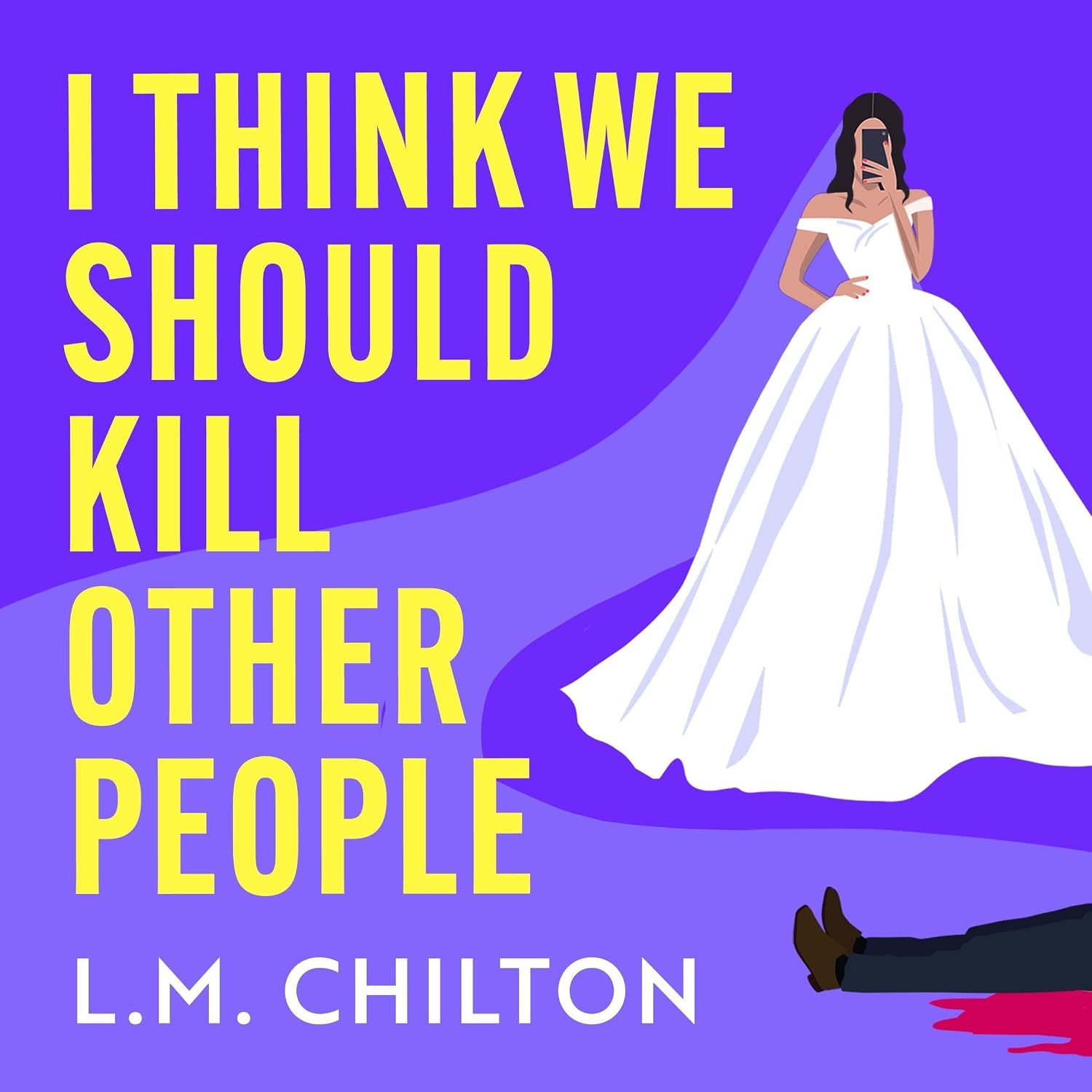
Hazel and Marc were paired together on revolutionary new reality TV show Love Synced, in which AI matches hopeful lovers based on its perceptive algorithms.
But when it came time to say I Do on camera, Hazel couldn’t go through with it, leaving her perfect match at the altar, his family furious and the whole TV production in jeopardy.
Now all she wants to do is fly home. Instead, she’s trapped in an isolated airport that’s been ground to a halt by a snow storm… with her ex and his obnoxiously rich family. But when they start turning up dead, a jilted lover is the least of Hazel’s worries – there’s a serial killer to catch first.
The AI algorithm failed to find Hazel her soulmate… But could it help find the murderer instead?
I’ve picked ‘I Think We Should Kill Other People‘ (2026) because the title is clever and the premise made me smile. I abhor reality TV (although, as I don’t have a television, it’s not something I’m often exposed to) so a novel that satirises it is likely to work for me.
On a frosty day in December 1936, librarian and part-time detective Dora Wildwood is summoned to Bath. She has no idea what will unfold but she is glad to go; recent events have left her longing to disappear.
Arriving on the world-famous Royal Crescent, Dora quickly learns of Daisy Palmer, whose unsolved murder looms large over the Georgian city. Daisy’s fiancé, Lord Frank Meroe, lives on as an eccentric recluse, his house full of clutter and abandoned treasures, as labyrinthine as it is magnificent.
Then, on the twentieth anniversary of Daisy’s death, murder is committed once more. As Christmas trees are lit and carol singers gather, Dora is drawn into a tangle of feuding families, suspicious antiquarian dealings and a conspicuous silence from everyone involved. For in the city of Jane Austen, loyalties run deep… and dangerously so.
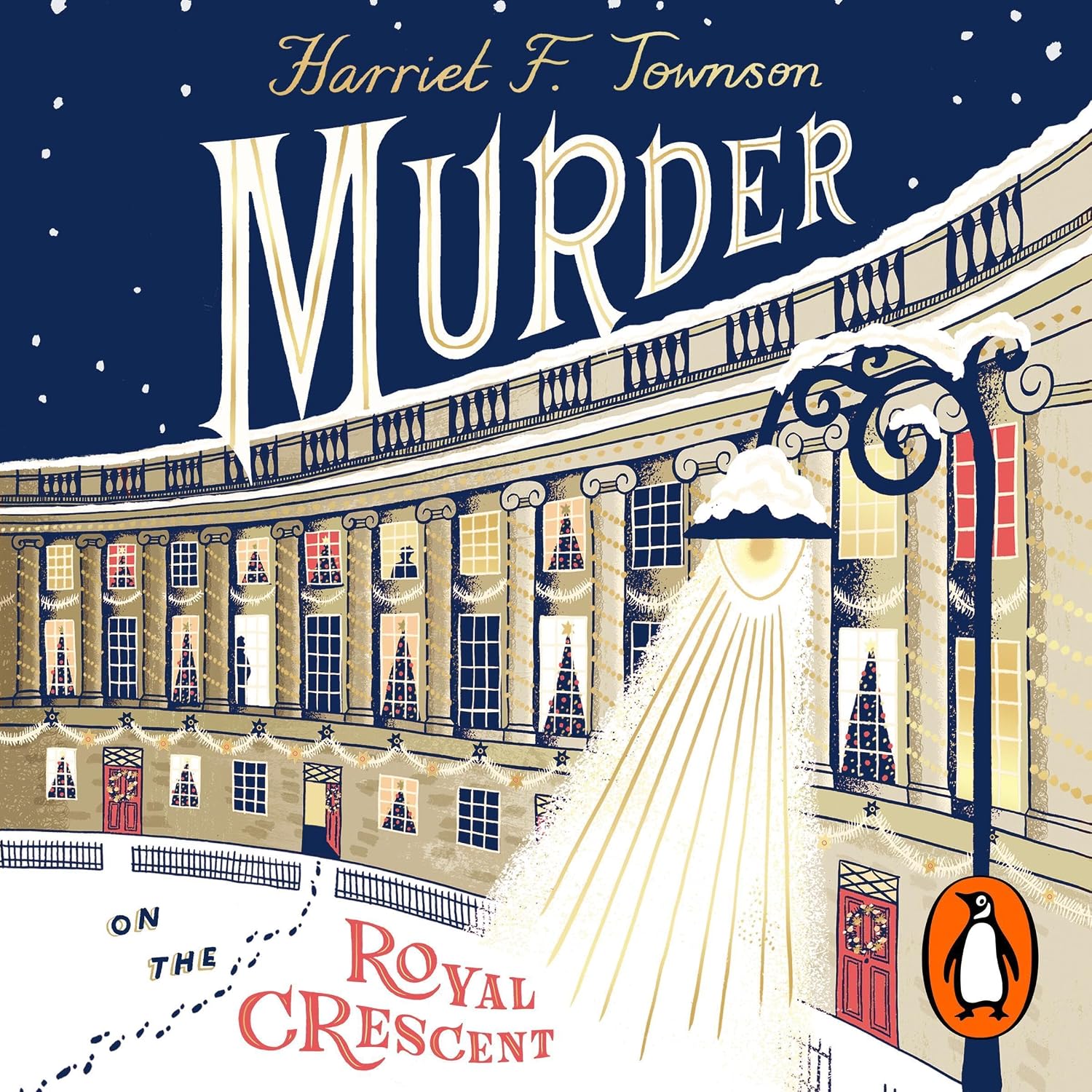
‘Murder on the Royal Crescent‘ (2026) is one of my novels for reading myself into Christmas. My wife and I are listening to it together. It appeals because It’s an historical mystery, set in the town I live in, it’s the sequel to ‘D is for Death‘ (2024), and it has a very pretty cover.

It’s the middle of the night in the middle of Paris and a woman just woke up with no memory.
She only knows three things for certain:
1. She has a splitting headache.
2. The hottest guy she has (probably) ever seen is standing over her, telling her to run.
And, oh yeah . . .
3. People keep trying to kill her.
I don’t often read RomCom novels but that one has style. I love the title and the way it shamelessly appropriates part of the plot from ‘The Bourne Identity’. It’s told from two ponts of view: the amnesiac young woman and the spy who finds her shortly after she recovers consciousness. It’s a comedy roadtrip. I’m hoping it will be funny and that the romance parts will be lighthearted.
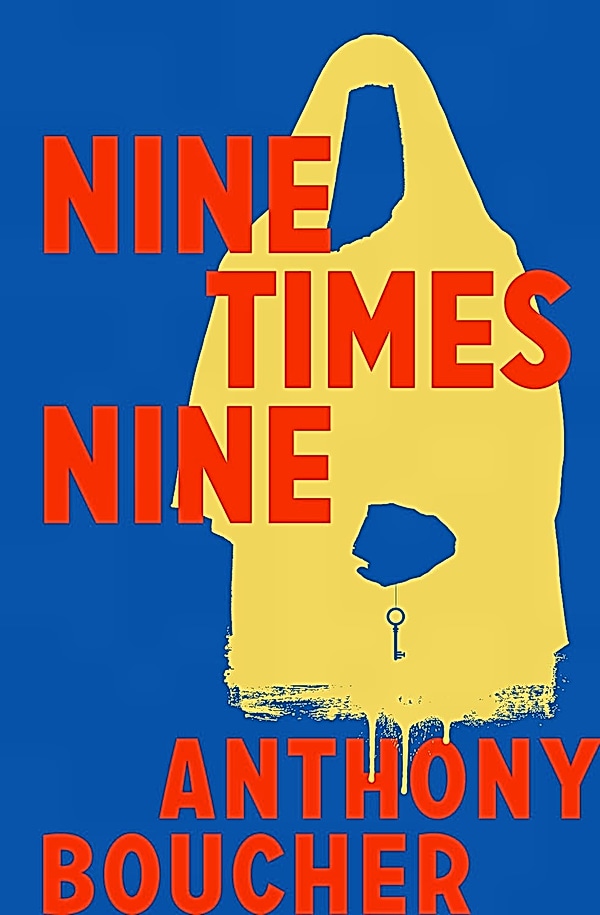
The man in the yellow robe had put the ancient curse of the Nine Times Nine on Wolfe Harrigan. And when Matt Duncan looked up from the croquet lawn that afternoon, he saw the man in the yellow robe in Wolfe Harrigan’s study.
When Matt got there, all the doors and windows were locked from the inside. But when the door was broken down, there was no man in a yellow robe in the room, and Wolfe Harrigan lay murdered on the floor. But at the time of the murder the man in the yellow robe was nowhere near the room.
Who better to explain this miracle than Sister Ursula, a nun, whose childhood ambition was to become a policewoman?
‘Nine Times Nine‘ (1940) is a pulpy Amercian Golden Age mystery that appeal to me mainly because the amateur sleuth at the centre of the story is a nun. I’m hoping this will be fast, funny and have strong sense of place and time (Los Angeles, 1940).
Snow is falling in the exclusive alpine ski resort of Saint Antoine, as the directors of Snoop, the hottest new music app, gather for a corporate retreat to decide the future of the company.
At stake is a buyout that could make them all millionaires, or leave some of them out in the cold.
But when an avalanche cuts the chalet off from help, and guest goes missing in the snow, the group is forced to ask – is there a murderer among them?
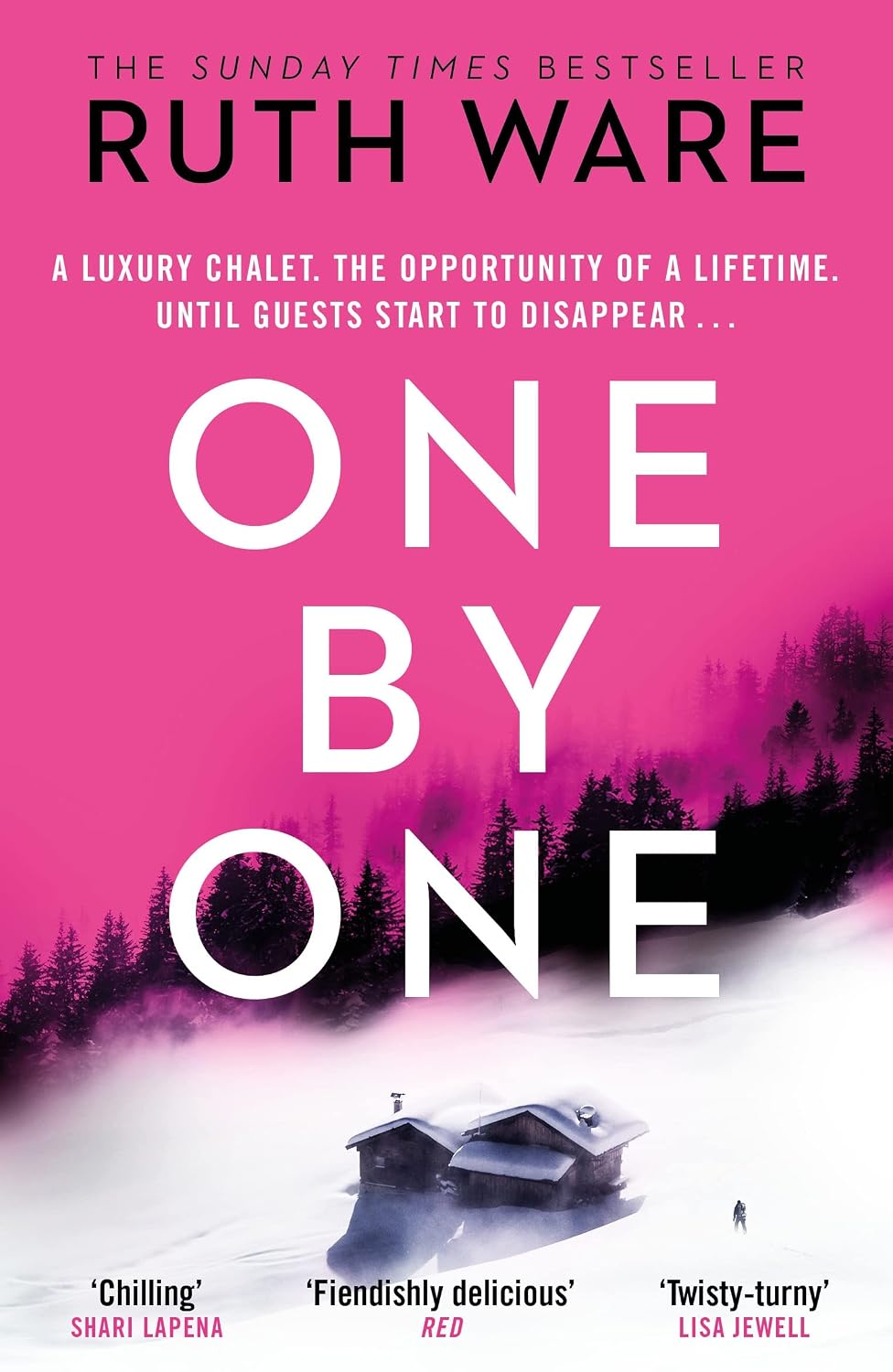
‘One By One ‘ (2020) calls to me because now feels like the right time for snowbound thriller, the Alpine setting appeals to me (it’s been too long since I was in the mountains) and I love the idea of corporate entrepreneurial types killing one another.
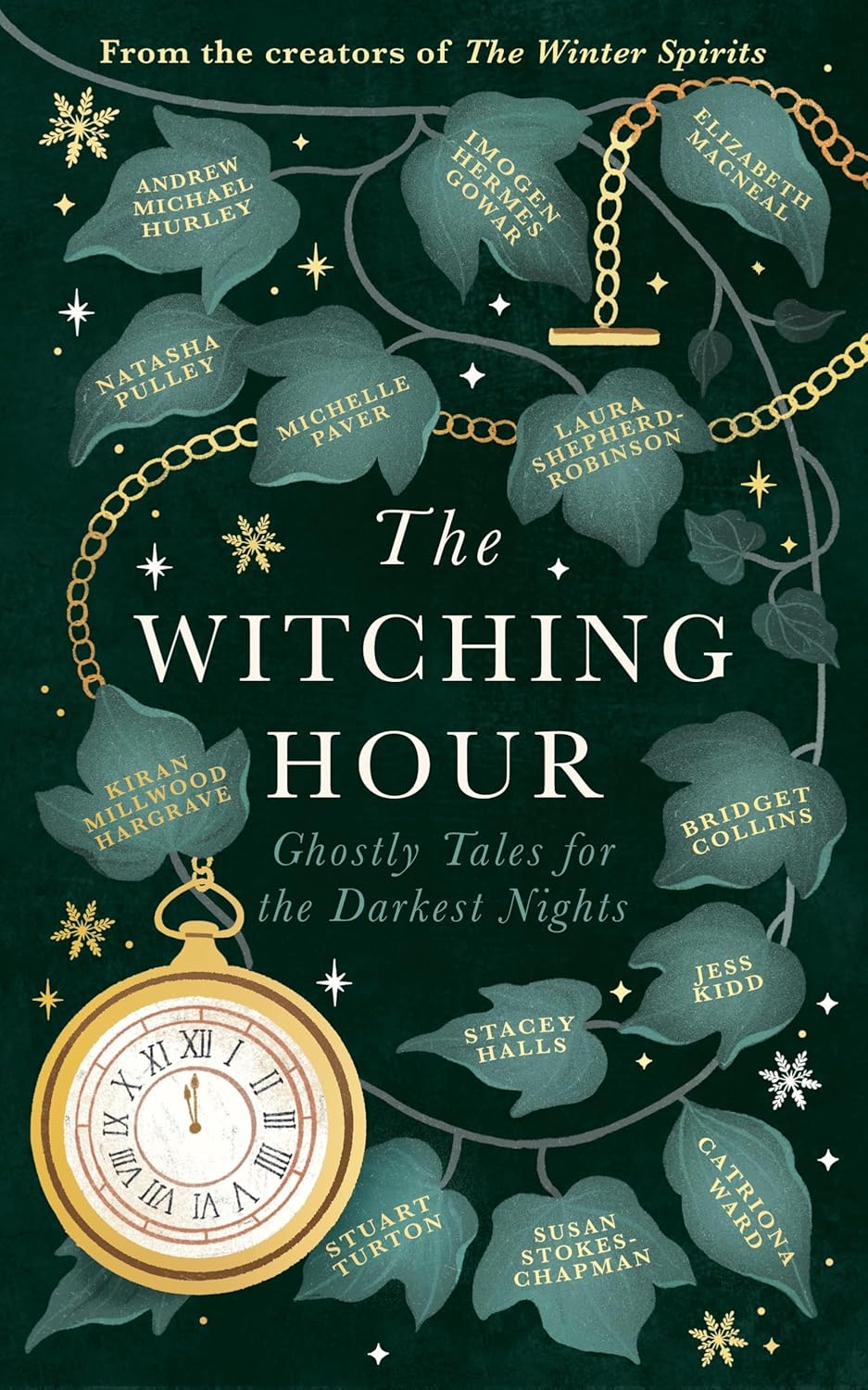
There is something peculiar about the hour after midnight.
It is the time when darkness reigns and strange things roam the earth.
In this collection of new and original haunted tales, thirteen authors bring this hour to vivid, spine-tingling life.
So curl up, light a candle, and wait for the clocks to strike . . .
Featuring stories from:
Michelle Paver
Stacey Halls
Bridget Collins
Imogen Hermes Gowar
Kiran Millwood Hargrave
Andrew Michael Hurley
Jess Kidd
Natasha Pulley
Elizabeth Macneal
Susan Stokes-Chapman
Laura Shepherd-Robinson
Stuart Turton
Catriona Ward
I like to have a short story collection to snack on. I’d meant to read this one on the run up to Halloween but I couldn’t fit it in. Given that the nights are long and the weather is cold, it still feels like the right time to read these stories.

